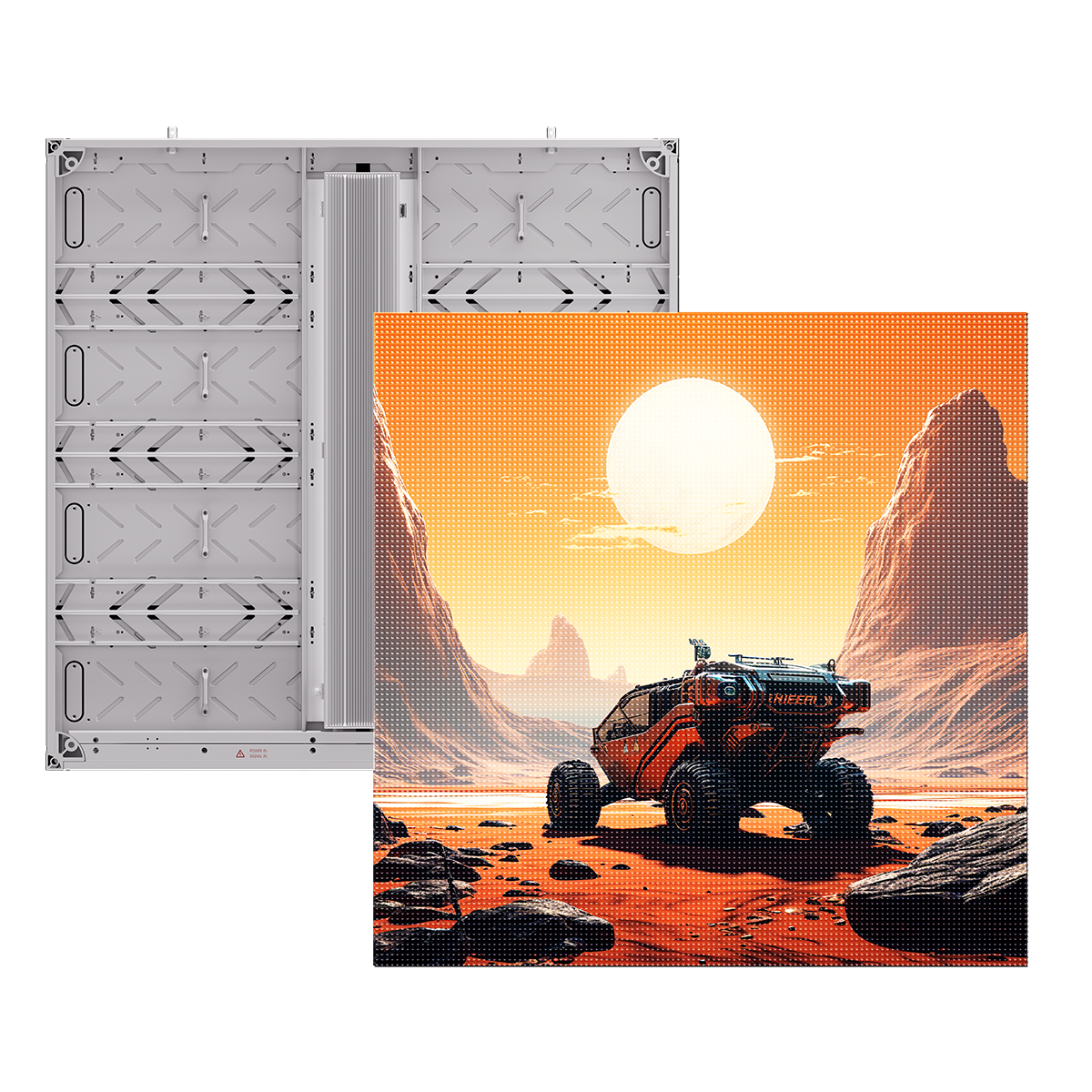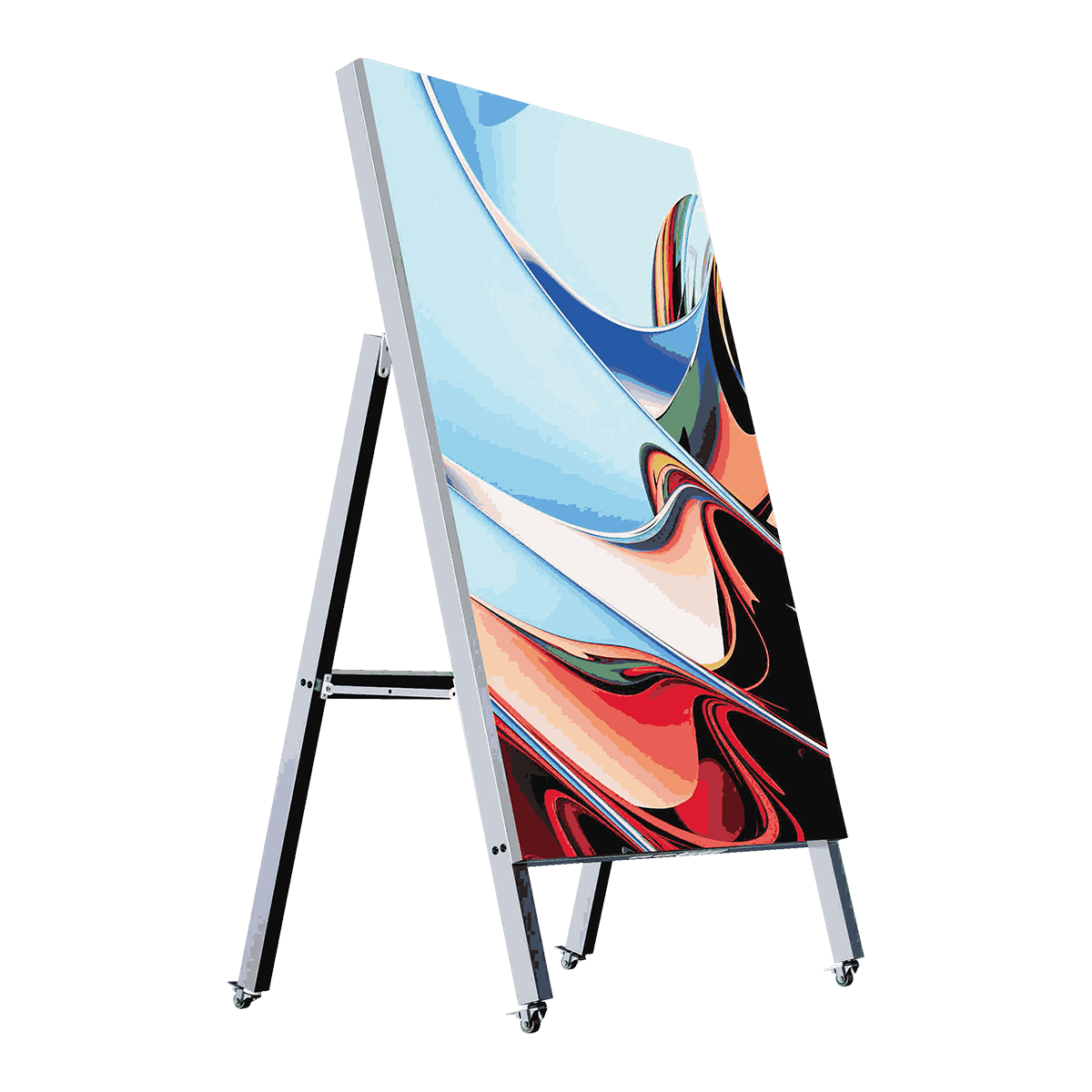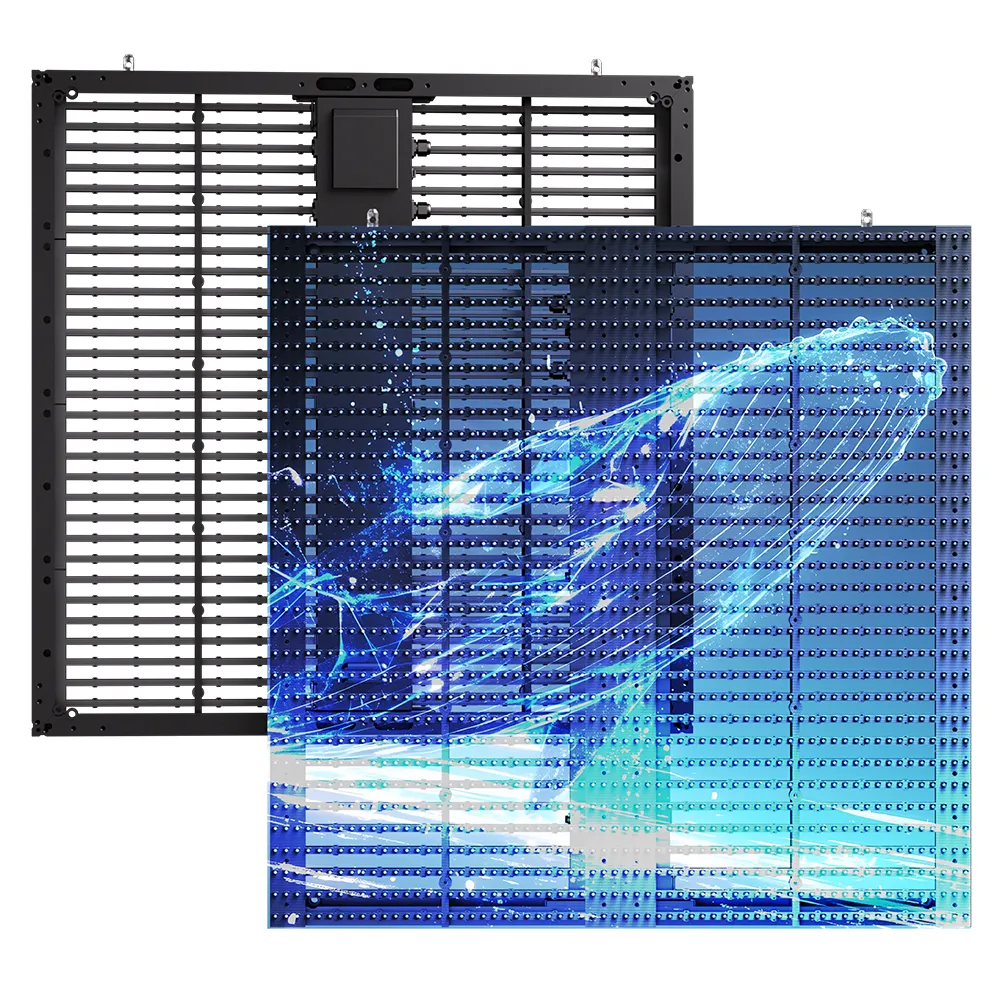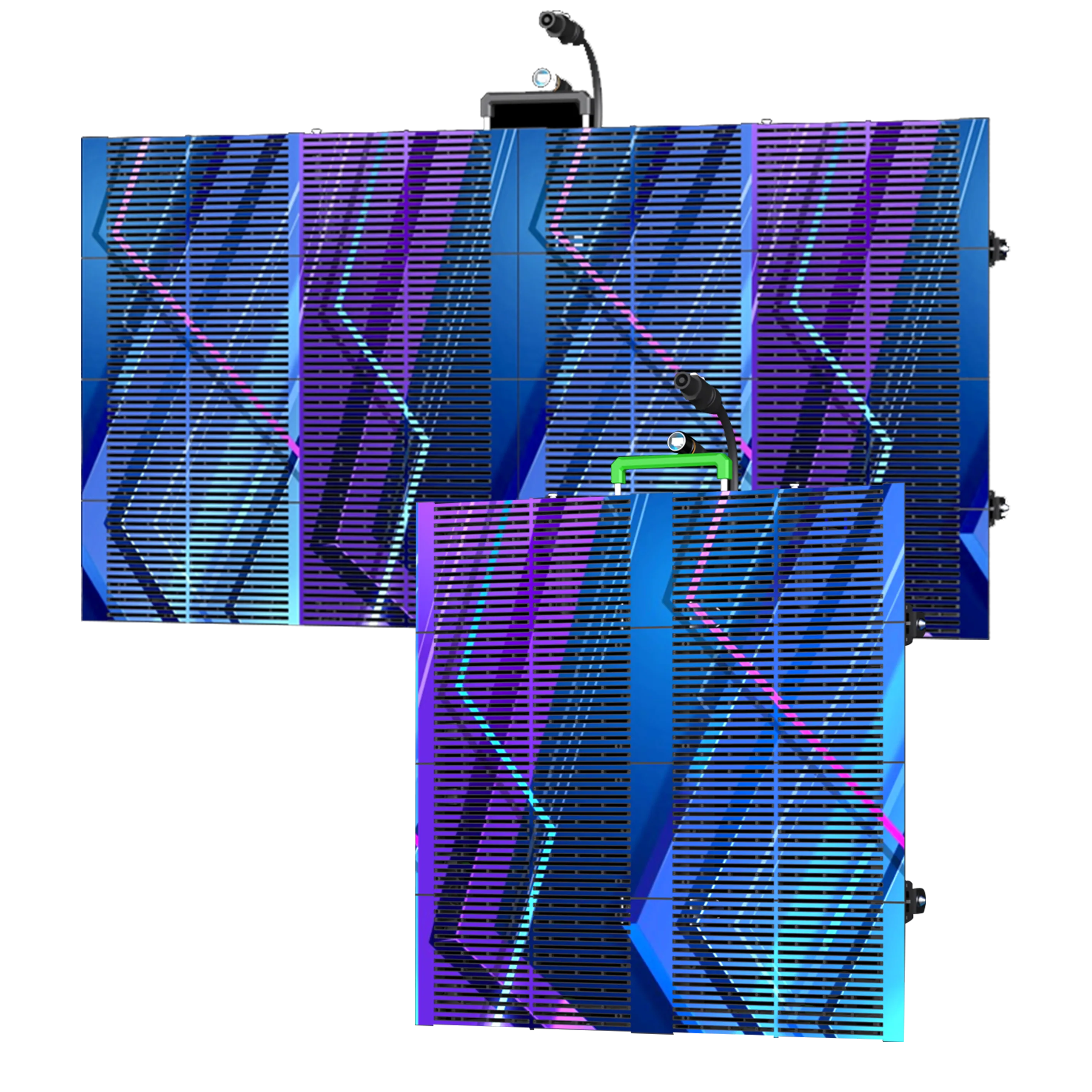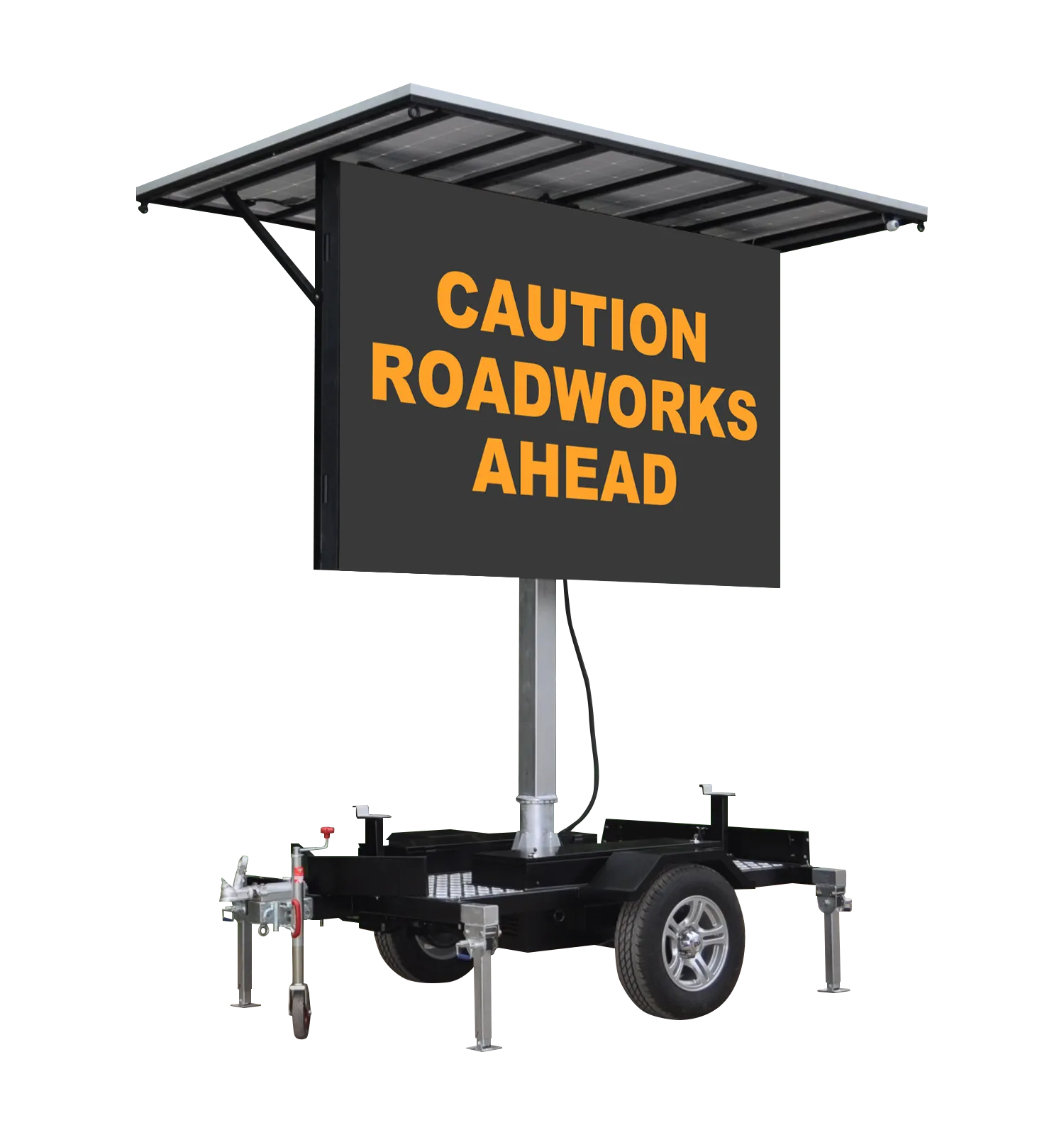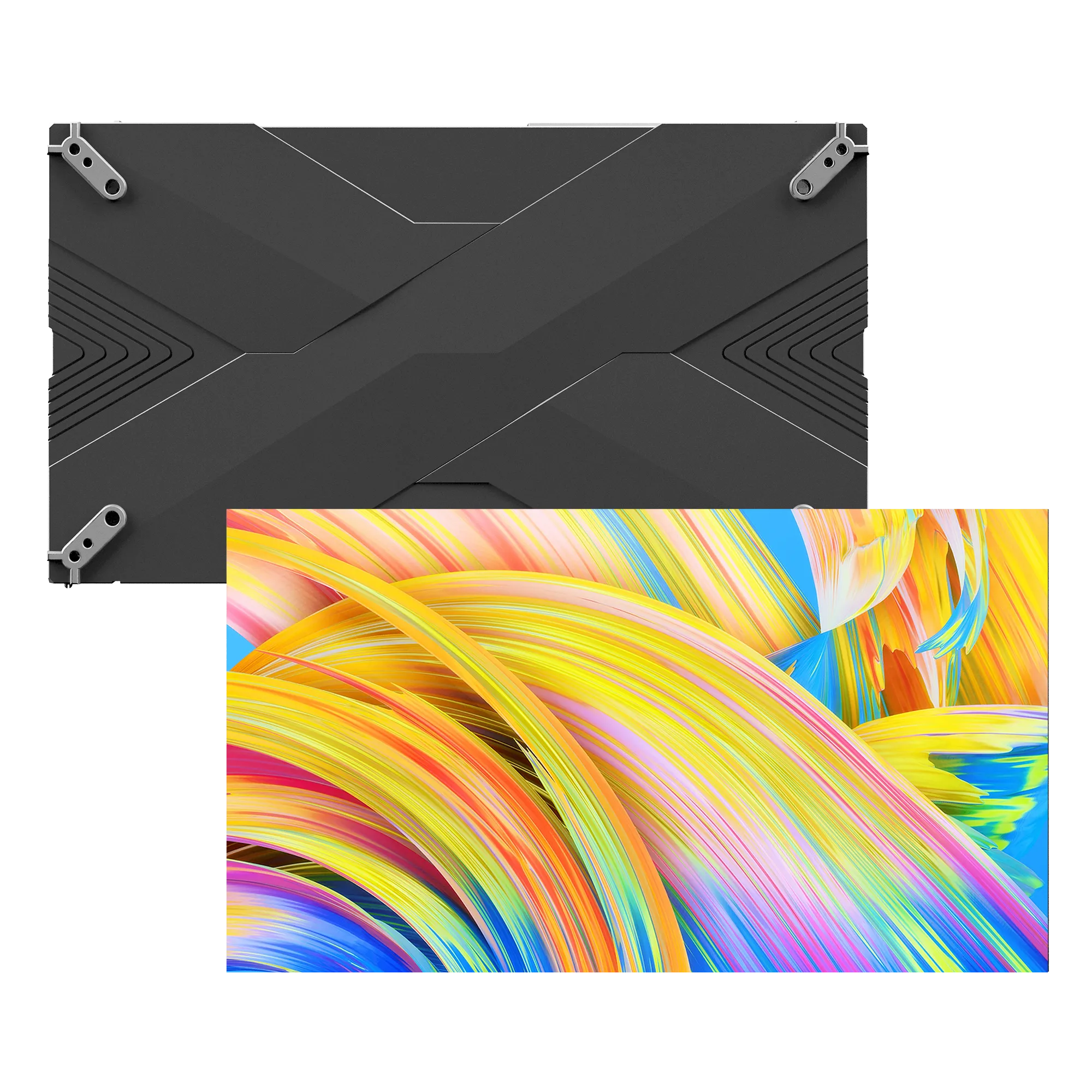
When you stand outdoors under direct sunlight and look at an LED display, what is the most intuitive feeling? Can you see the content clearly, rather than a blurry reflection?
This is the fundamental meaning of brightness. In the field of outdoor LED displays, brightness is the first threshold that determines display effectiveness. However, careful buyers may notice a phenomenon: Kingaurora, which focuses on the outdoor field, generally equips its displays with 8000nit brightness, while many outdoor screens using SMD technology on the market often stay in the 4500-5500nit range.
Behind this is by no means a simple numbers game, but a direct reflection of the fundamental differences between two technical routes.
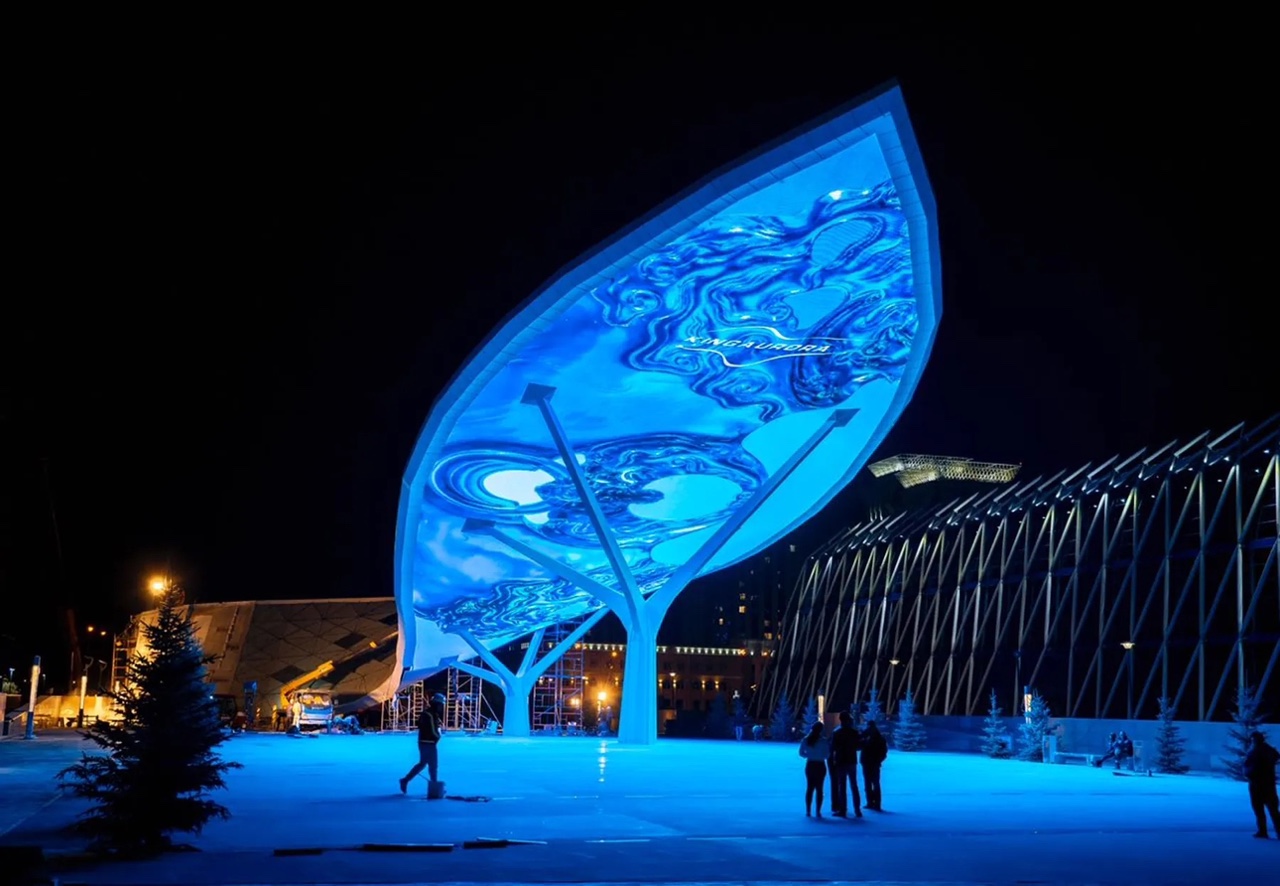
Kingaurora's DIP outdoor series products are equipped with 8000nit high brightness as standard, ensuring "clear and bright images even under direct sunlight." This value is based on a deep understanding of the world's harshest outdoor environments—from the midday sun in the Middle Eastern deserts to the strong UV radiation in plateau regions. Only by reaching the 8000nit level can content be clearly readable under any lighting conditions.
In contrast, the industry's general brightness level for SMD outdoor screens is concentrated in the 4500-5500nit range. This gap is not because SMD manufacturers don't want to break through, but due to the physical constraints of their packaging structure.
To understand the brightness gap, we must return to the most fundamental packaging level.
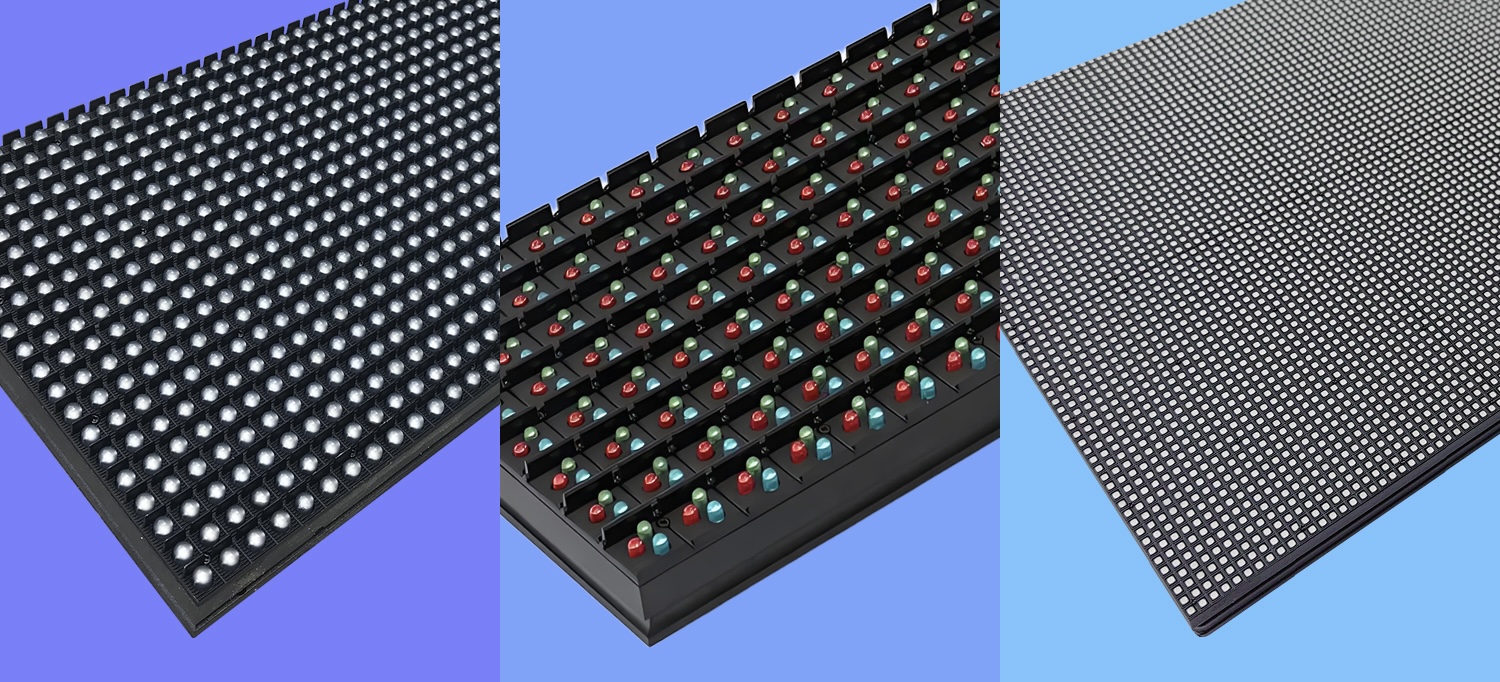
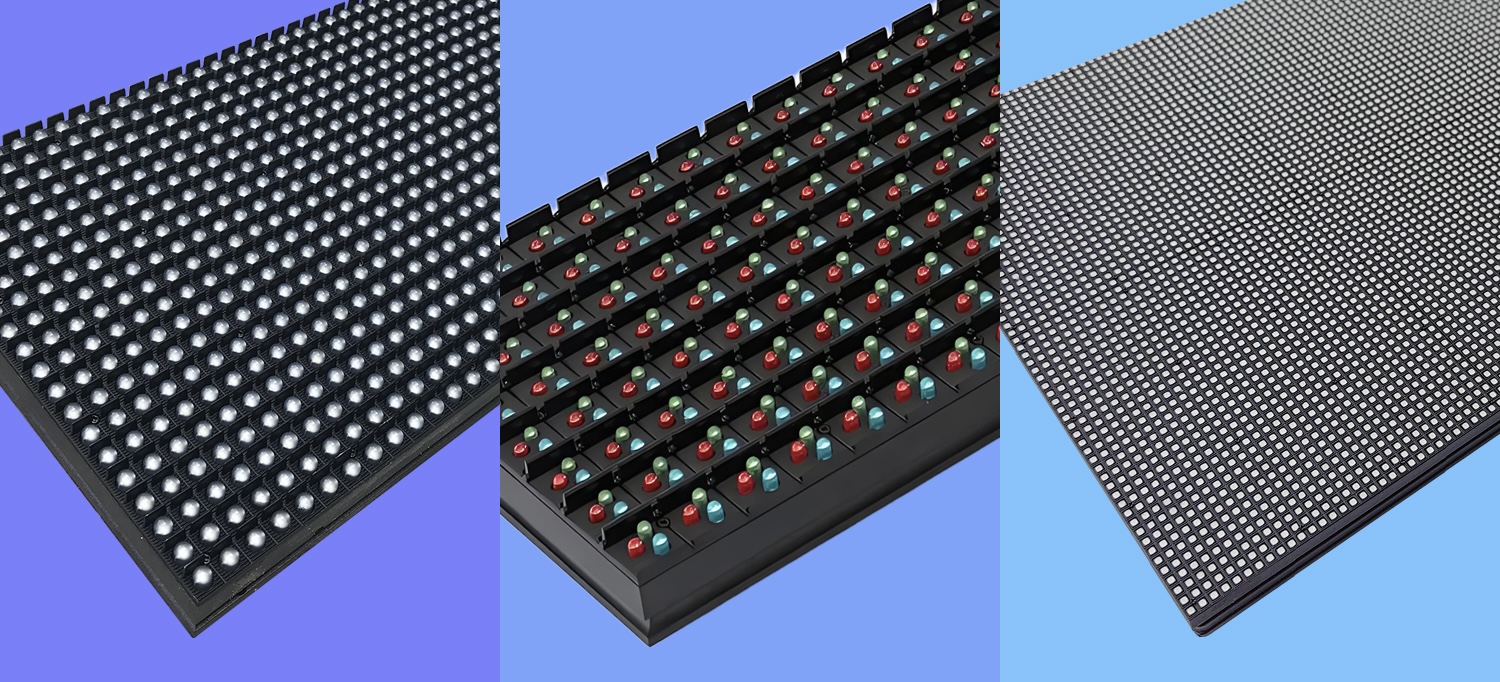
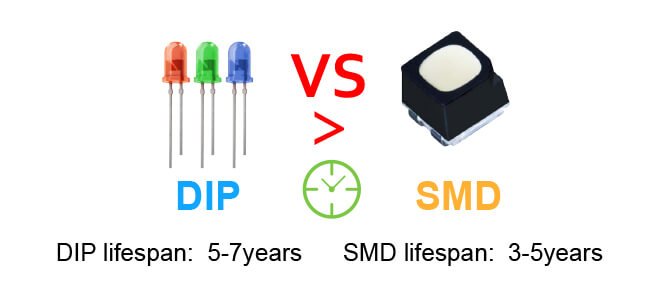
Metal pins through PCB board, independent epoxy resin fully encapsulated unit
Larger chip size, sufficient light-emitting area
Heat conducted through pins, high heat dissipation efficiency
Flat structure directly mounted on PCB board surface
Limited chip size, small light-emitting area
Heat concentrated at PCB solder joints, extremely high heat flux density
SMD technology pursues thinness, high definition, and high integration. The 4500-5500nit level is the balance point that can balance brightness, lifespan, and reliability under existing materials science and packaging processes.
If a manufacturer were to launch an 8000nit SMD outdoor screen, it would face four fatal challenges:
To increase SMD brightness to 8000nit, the drive current needs to be substantially increased. However, SMD has a single heat dissipation path, with heat concentrated at the solder joints. Excessive junction temperature accelerates material aging and triggers a vicious cycle, leading to a cliff-like drop in lifespan.
High-quality SMD has less than 5% lumen depreciation in 3000 hours under standard conditions. But after forcibly increasing brightness, the chip operates at a current density far exceeding design specifications. The first year's brightness might be maintained, but it could fall below the 70% usable threshold in the second year.
Higher brightness brings higher temperatures, causing encapsulation yellowing, phosphor thermal quenching, solder joint fatigue, and PPA bracket moisture absorption degradation. Aging speed increases exponentially, and the yellowing rate of high-quality SMD after 10,000 hours of outdoor work will significantly deteriorate.
Thermal stress causes micro-cracks between the encapsulation glue and the bracket, becoming channels for moisture intrusion. Once moisture enters, problems such as wire corrosion, leakage, and dead pixels follow one after another, and the failure rate deteriorates significantly.
Technical Summary: When SMD is forcibly pushed to 8000nit, it triggers a four-fold chain reaction of thermal runaway, accelerated lumen depreciation, accelerated material aging, and waterproofing failure, ultimately leading to product lifespan collapse. This is not a simple performance trade-off, but the physical boundary of the technical route itself.
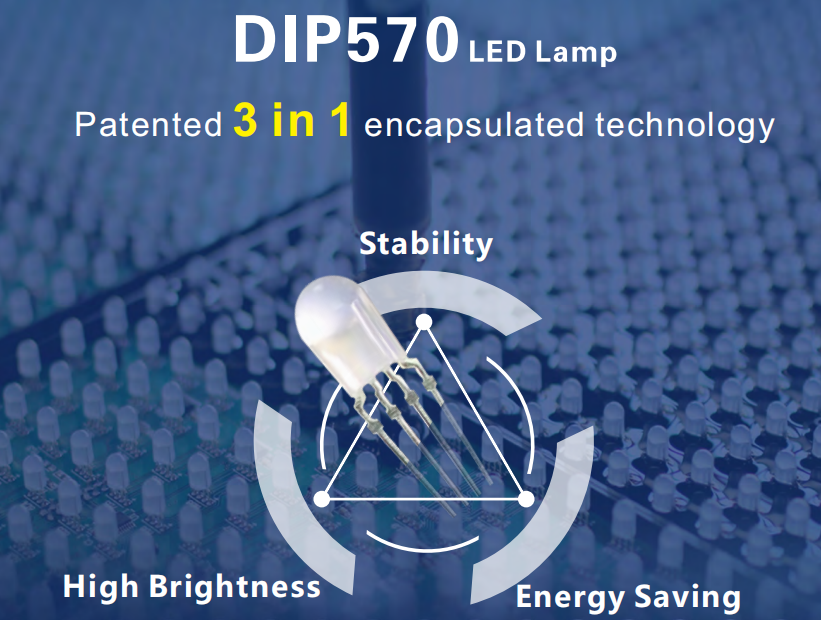
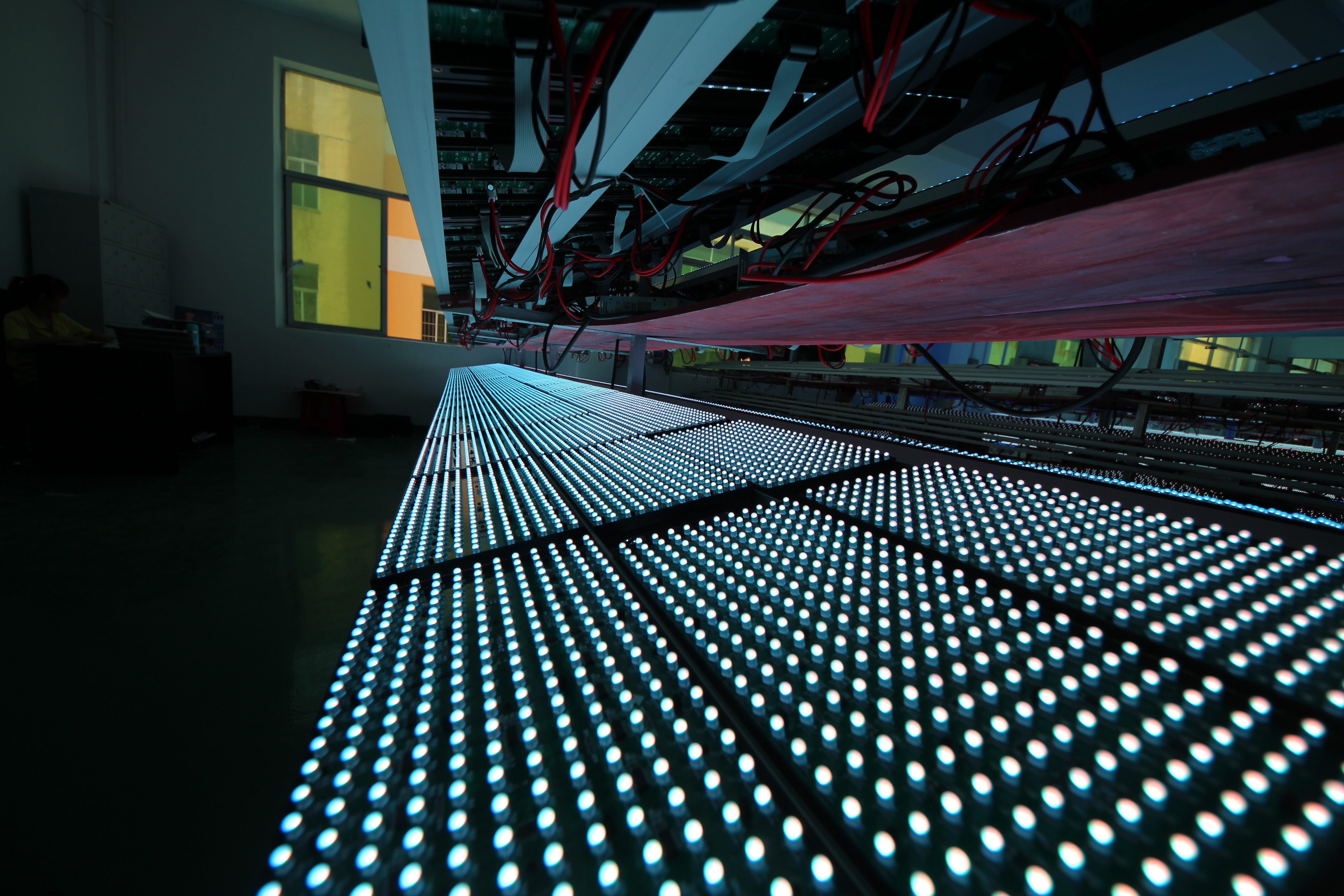
Kingaurora's DIP technical route provides a different solution. The DIP570 lamp bead uses high-efficiency chips and custom optical lenses, achieving 8000nit high brightness while reducing chip junction temperature through optimized heat dissipation architecture, ensuring a gentle lumen depreciation curve. Data shows that the A Pro series has an average power consumption of only 175W/㎡ at 8000nit brightness, with an energy efficiency ratio better than many SMD products with lower brightness.
Kingaurora has focused on the outdoor field for 17 years and deeply understands that in harsh environments—whether the 45℃ high temperatures of the Middle Eastern deserts or the -35℃ severe cold of Northern European winters—only sufficient brightness reserves can ensure the screen is "clearly visible" at any moment; only robust heat dissipation and material design can ensure that 8000nit brightness continues without decay for 8 to 10 years.
Pursues thinness, high definition, and high integration. The brightness level is the "optimal solution" under these constraints. Forcibly increasing brightness will trigger a series of chain reactions including thermal runaway, accelerated lumen depreciation, material aging, and waterproofing failure, ultimately leading to product lifespan collapse.
Pursues reliability under extreme environments, long-term stability, and full lifecycle value. 8000nit is an inevitable requirement of this value system.
Therefore, when facing the brightness difference between 8000nit and 4500nit, please understand: this is not just a numerical gap, but a divide between two technical philosophies and two value orientations. In the field of outdoor displays, where the margin for error is extremely low, choosing a higher brightness reserve is essentially purchasing a reliable "insurance policy" for the next decade of stable operation.





3th Building,Gaosite Zone Pingshan
New District, Shenzhen


sevice88@kingaurora.com
3th Building,Gaosite Zone Pingshan
New District, Shenzhen