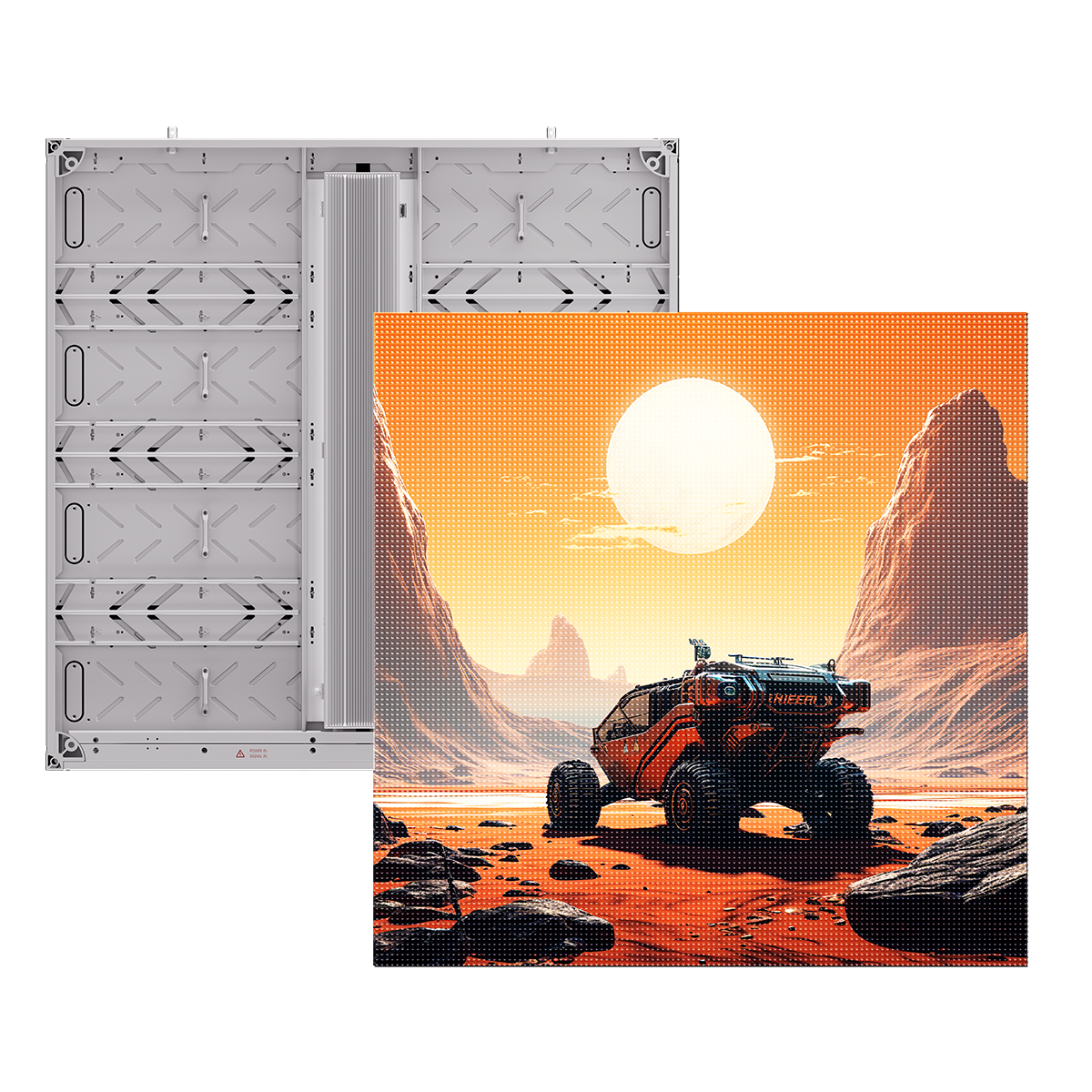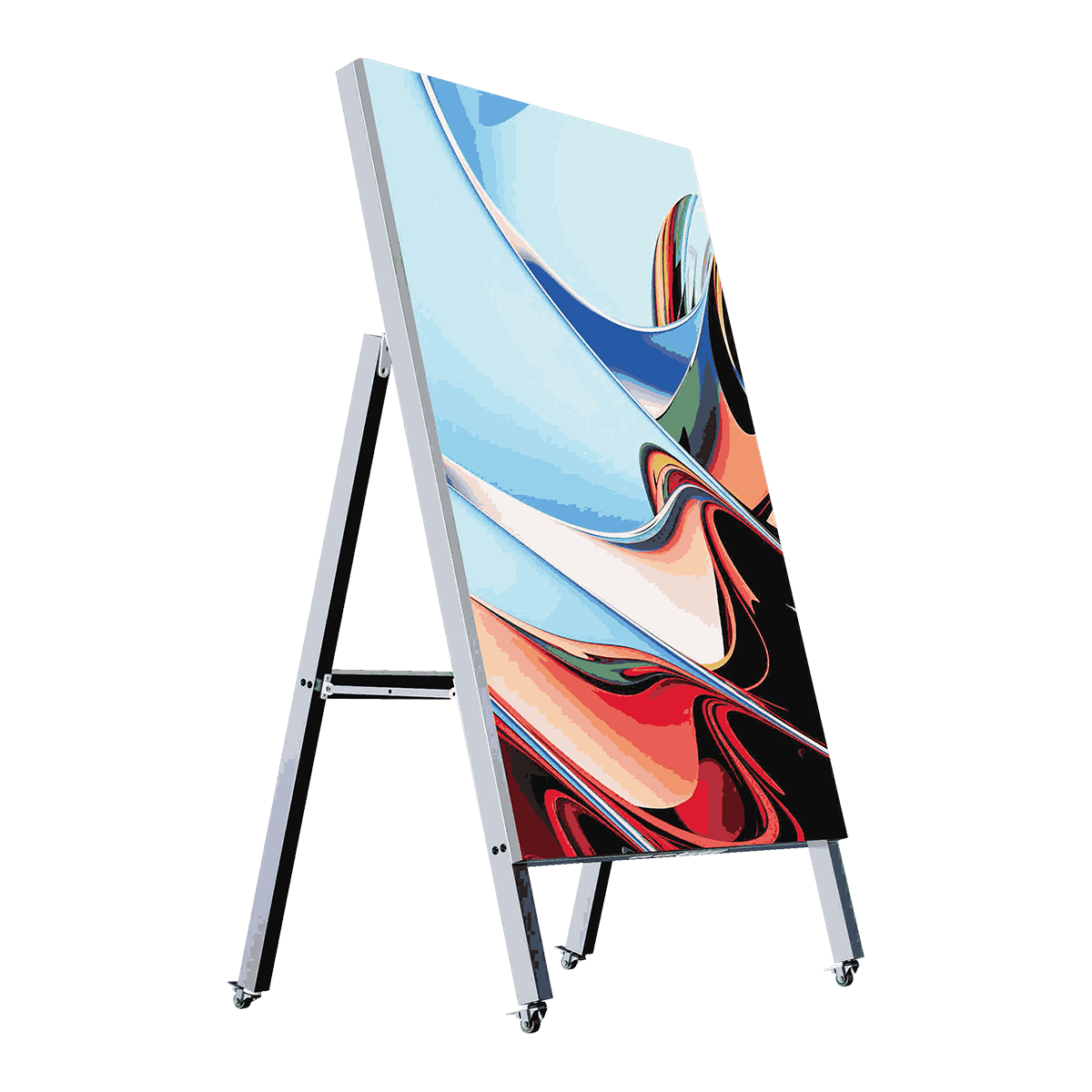
As the industry shifts its focus from mere parameter competition to in-depth exploration of scenario value, outdoor LED display technology in 2026 is undergoing a profound transformation. From the iteration of packaging processes to breakthroughs in material science, each technical route is seeking its own ecological niche. This article will review the evolution of mainstream SMD and DIP technologies, and analyze how emerging technologies such as LOB and MIP are reshaping the boundaries of outdoor displays.
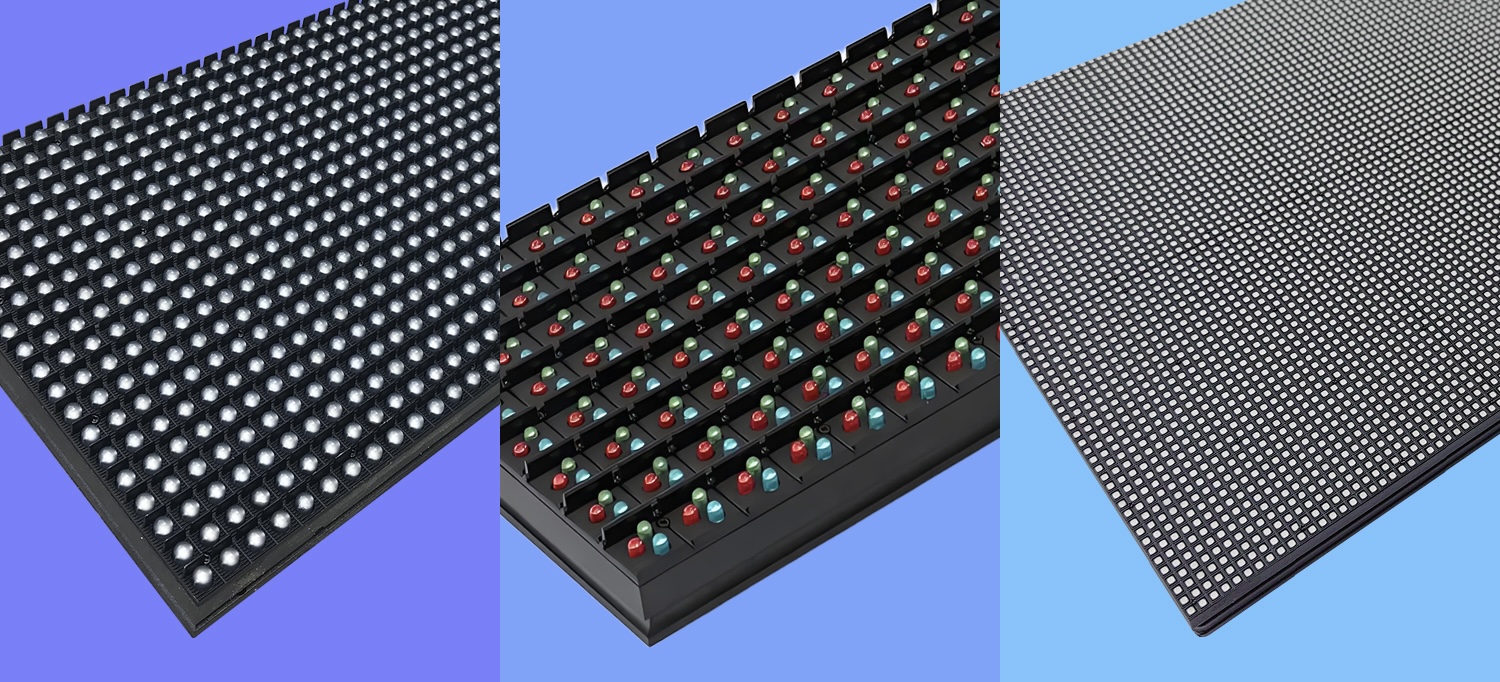
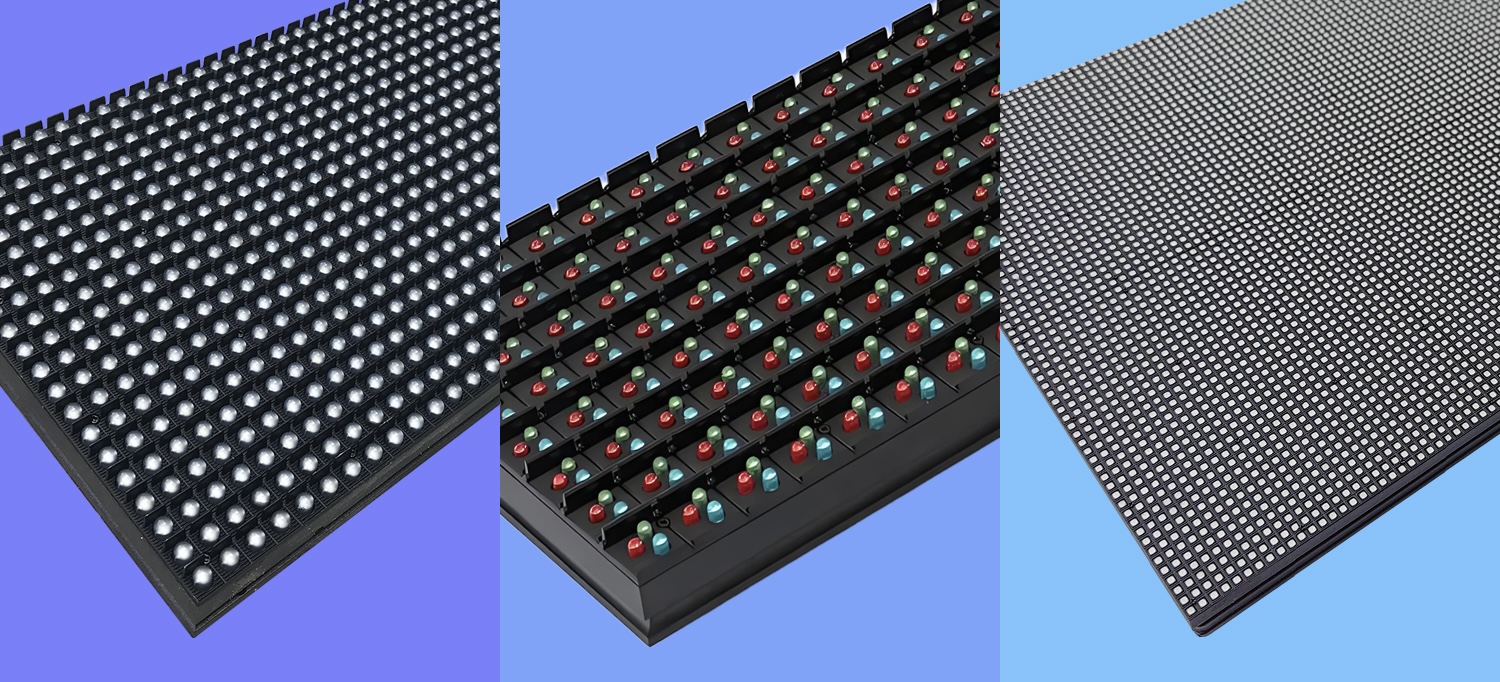
Surface Mount Technology (SMD) has dominated the outdoor display market for the past decade. Its characteristics of thinness, lightness, and high integration have promoted the普及 of products with pixel pitches from P2 to P10. However, as outdoor display requirements for reliability increase, SMD's physical bottlenecks are gradually emerging — limited chip size, heat concentrated at solder joints, and PPA brackets prone to yellowing and aging under long-term UV exposure.
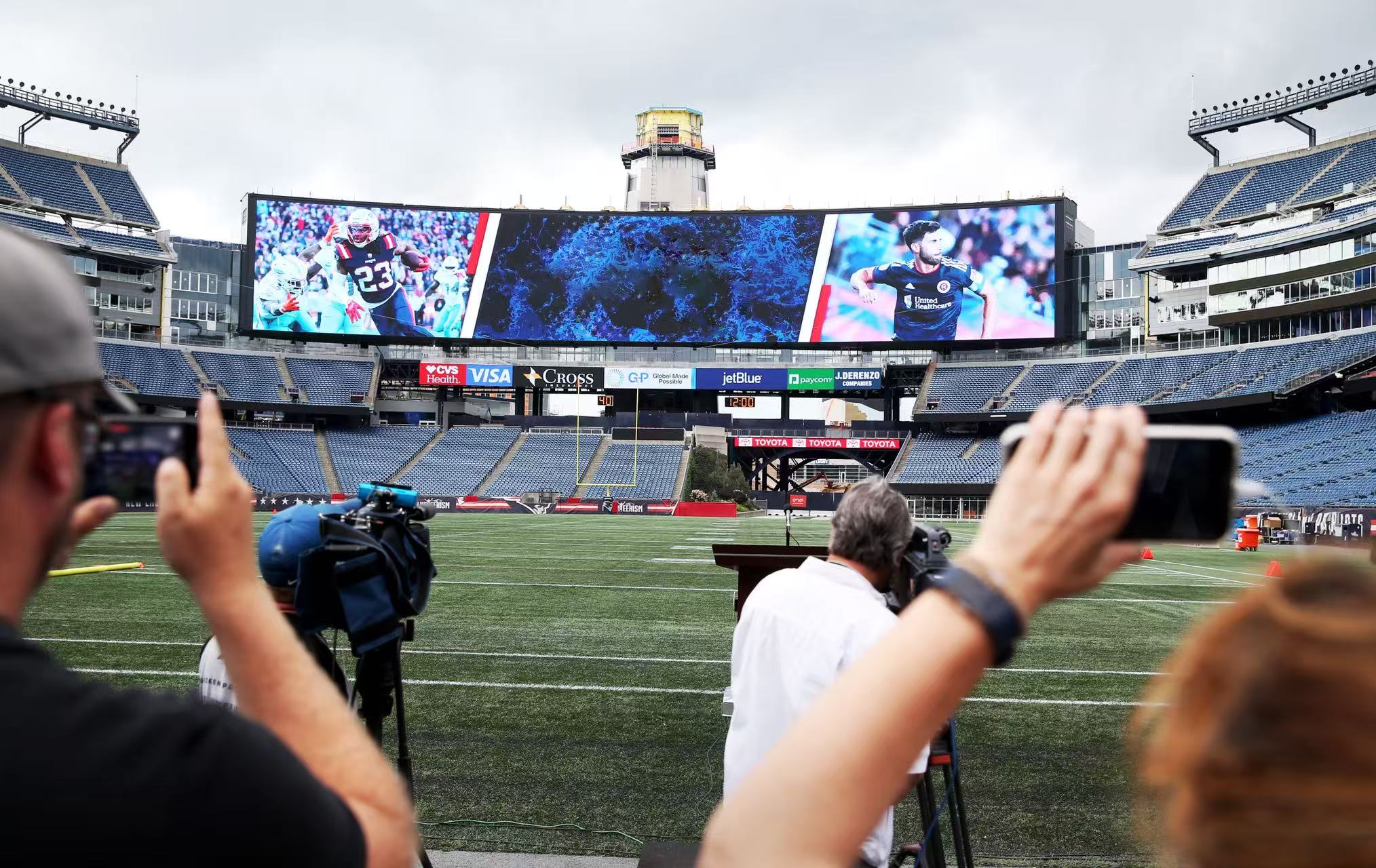
Trends in 2026 indicate that SMD technology continues to optimize cost and energy efficiency in conventional outdoor scenarios. By introducing high-efficiency chips and common cathode driving solutions, the overall screen brightness is stabilized in the 5000-6000nit range.
Technical Principle: Common cathode driving provides independent power supply to red, blue, and green LED chips respectively, delivering precise voltage according to the voltage requirements of different colored chips, avoiding the additional power consumption caused by voltage redundancy in traditional common anode solutions.
Through the协同 optimization of common cathode driving and high-efficiency chips, SMD maintains a balance between cost and performance in conventional outdoor scenarios. However, to冲击 brightness levels above 8000nit, SMD still faces the natural barriers of thermal runaway and accelerated lumen depreciation.
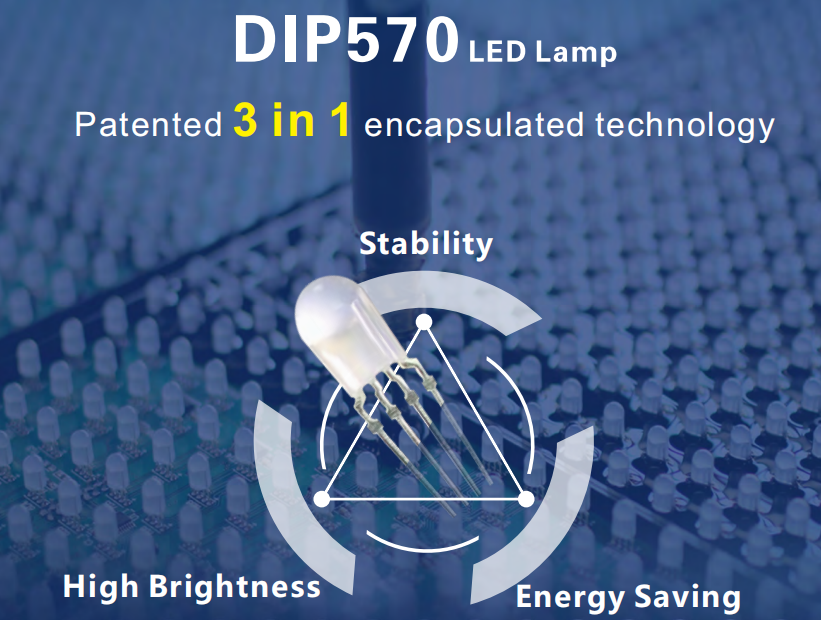
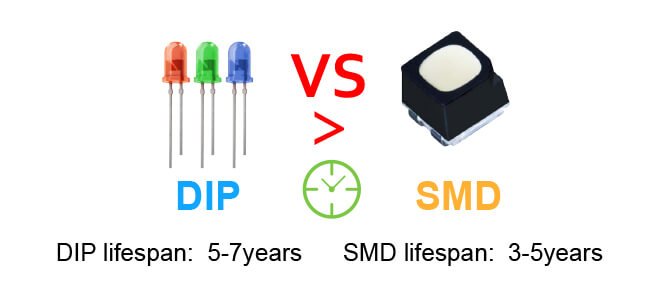
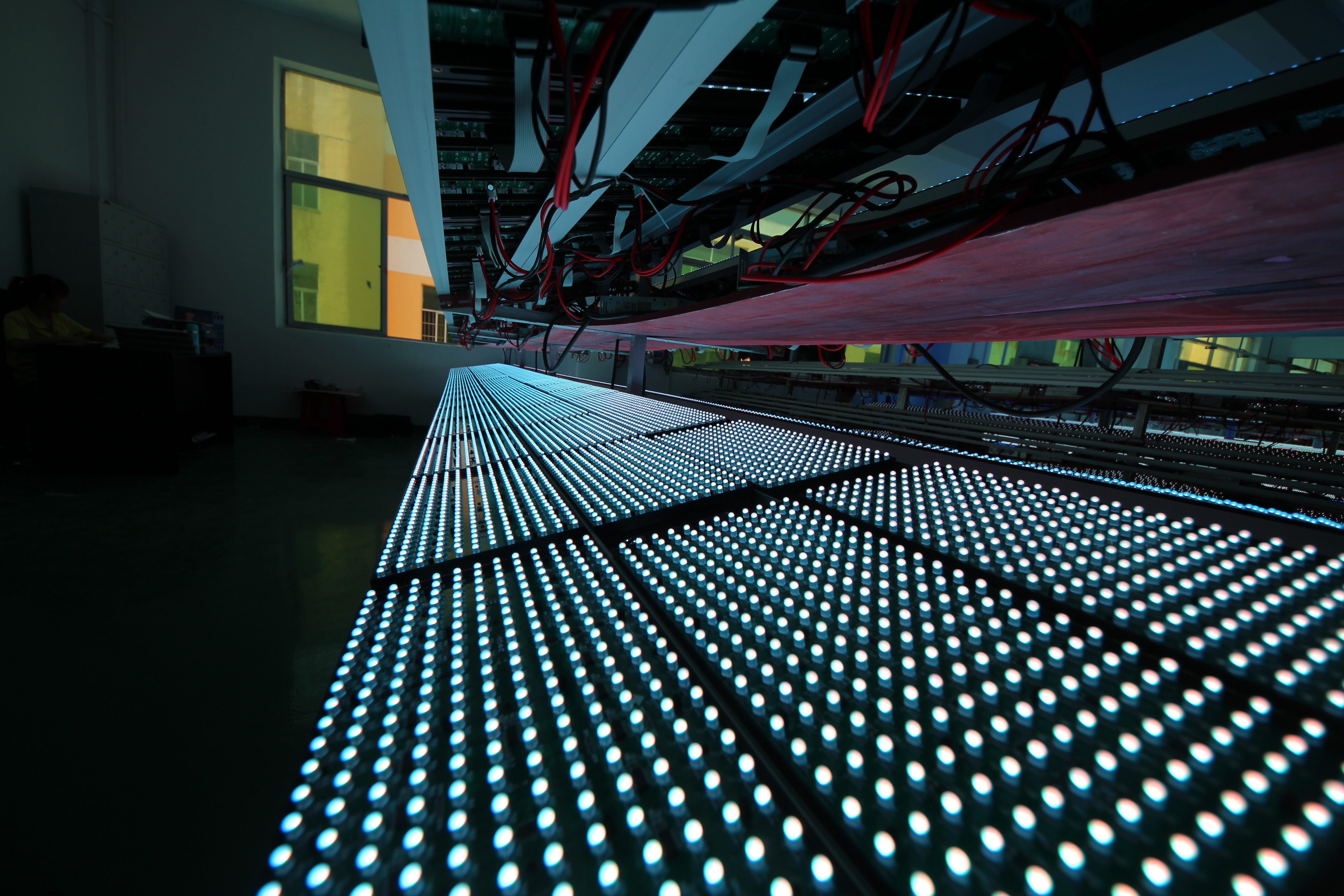
In outdoor heavy-duty scenarios pursuing极致 reliability, Dual In-line Package (DIP) technology is experiencing a rediscovery of its value. Unlike SMD's structure, DIP lamp beads adopt an independent packaging form with metal pins passing through the PCB board. Each lamp bead is a robust unit fully encapsulated by epoxy resin. This structure endows it with inherent advantages:不受限制 chip size, sufficient light-emitting area, and heat directly conducted to the PCB board through the pins.
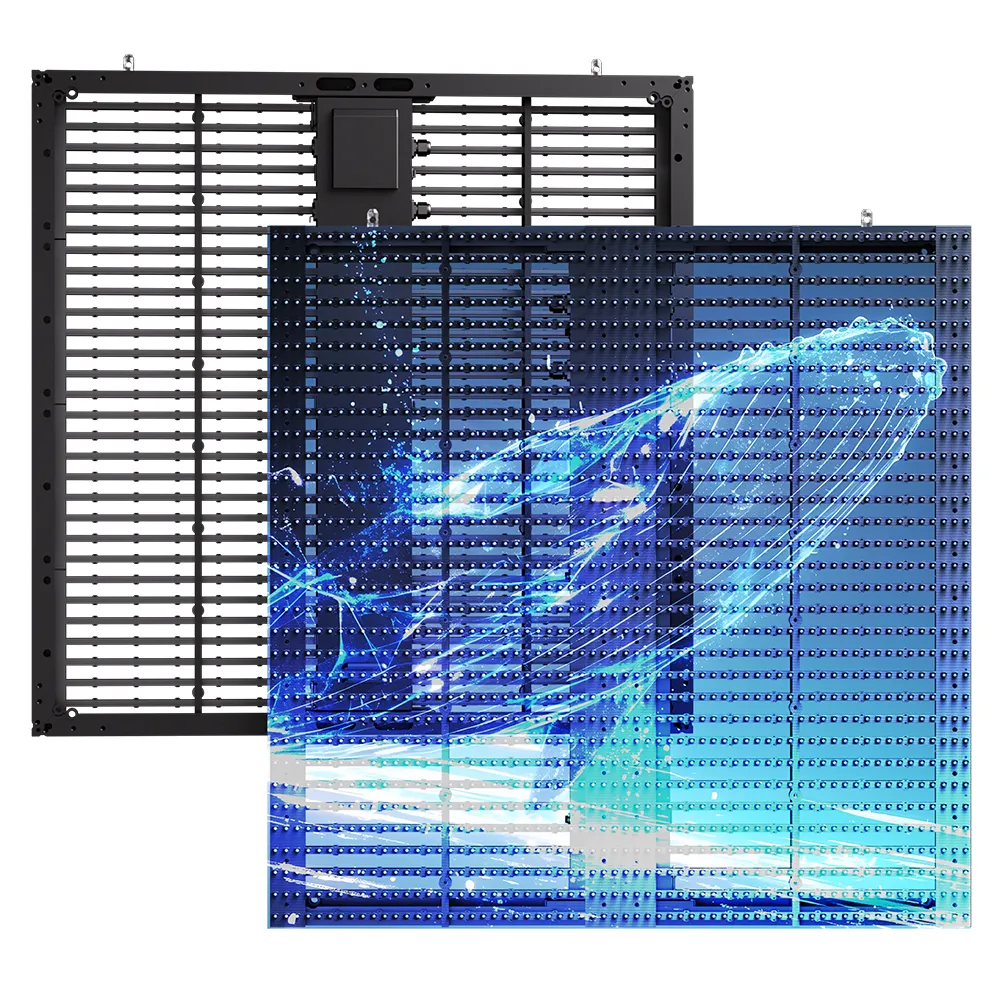
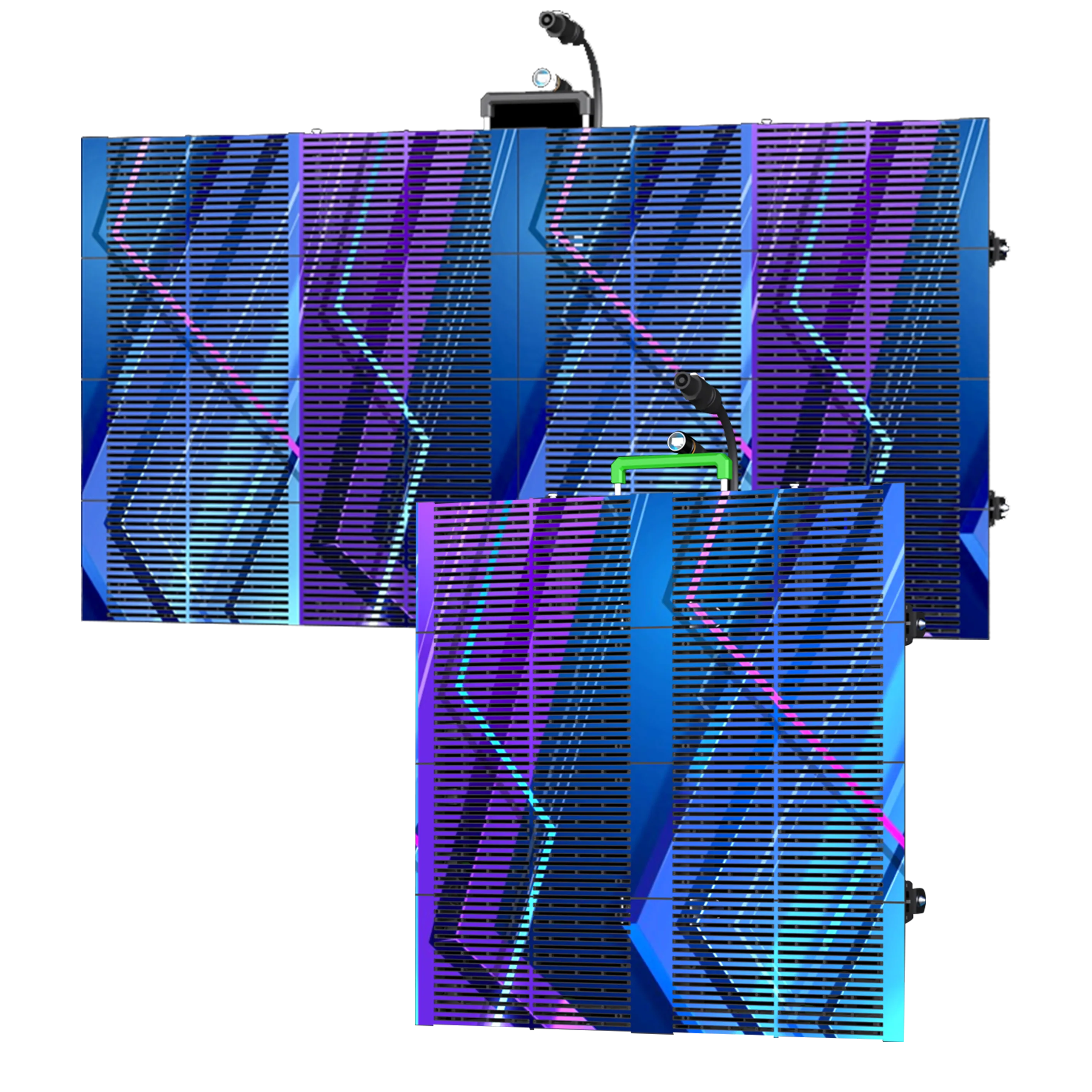
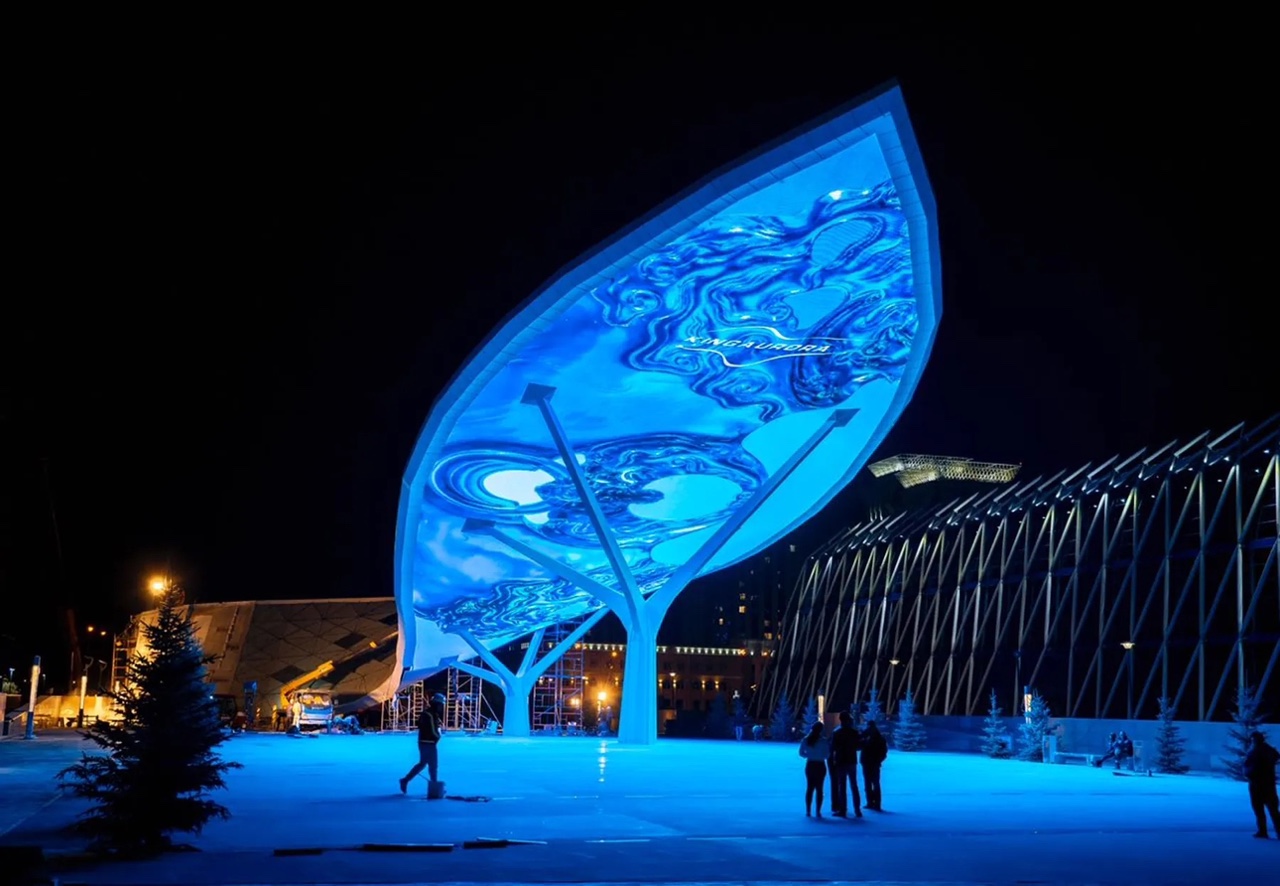
The DIP570 lamp bead independently developed by Kingaurora is the latest achievement of this technical route. Building on the high-reliability genes of DIP packaging, this lamp bead achieves three major breakthroughs: using high-efficiency chips and custom optical lenses to maintain a gentle lumen depreciation curve at high brightness levels of 8000-10000nit; optimizing the heat dissipation architecture to reduce chip junction temperature, ensuring stable operation across a wide temperature range from -35℃严寒 to 60℃高温; and a unique sealing structure effectively blocking salt spray and moisture侵蚀, supporting an超长 service life of 8-10 years. In a project in Ukraine, the grille screen equipped with DIP570 lamp beads withstood temperature differences from -40℃ to 60℃. While achieving over 70% transparency, the brightness remained above 7000nit, becoming the best footnote for DIP technology "born for outdoor use".
The rise of Lens On Board (LOB) technology provides a completely new approach for high-brightness outdoor displays. LOB integrates optical lenses directly on the surface of the lamp board, achieving secondary light distribution by changing the LED light emission path, allowing light to be precisely projected to the effective viewing area.
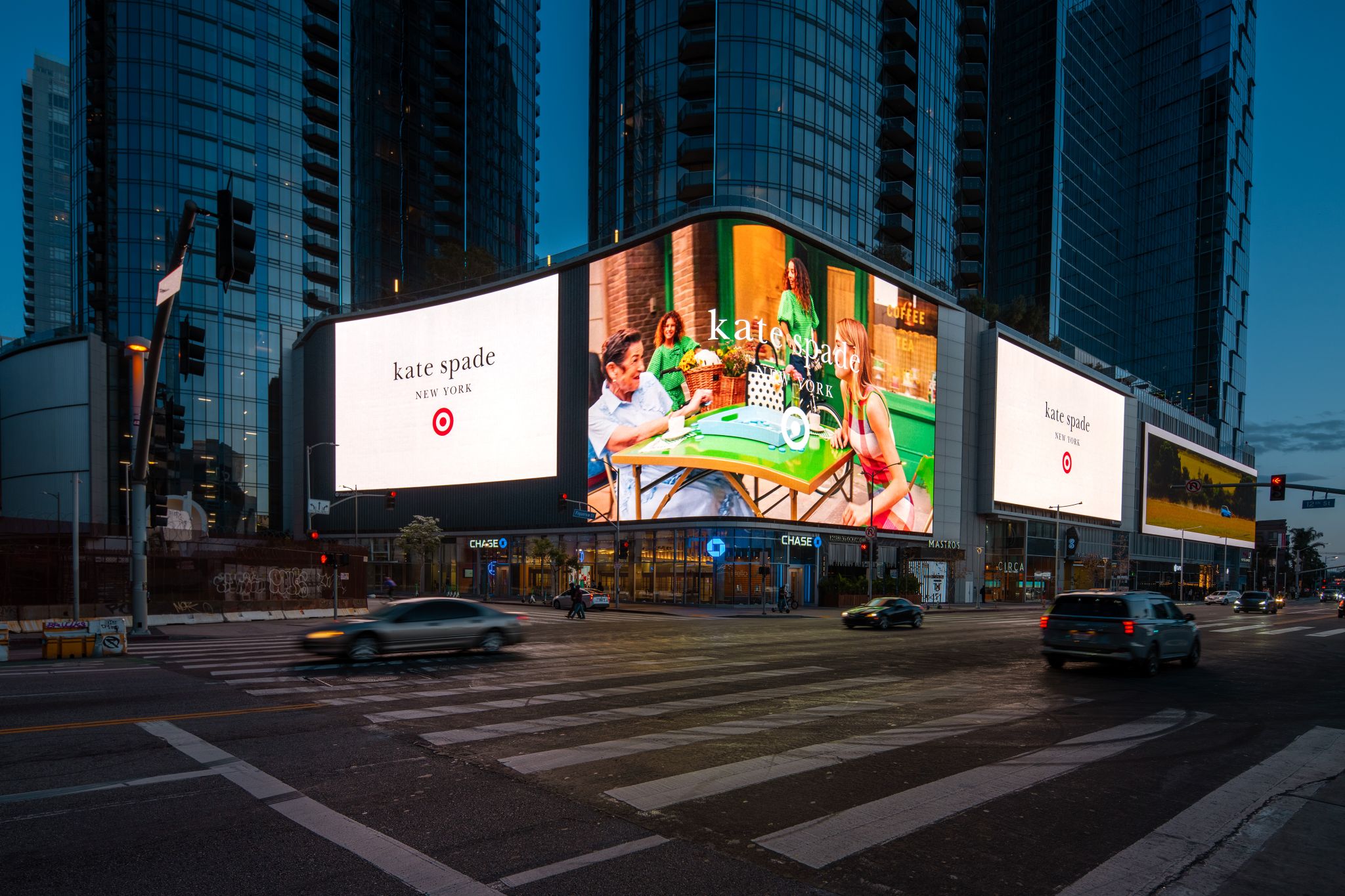
In 2026, the breakthrough of Mini LOB technology extends this solution to outdoor scenarios with viewing distances of 10 meters and closer. Its core value lies in energy efficiency reconstruction — through low-reflection optical design, it achieves brightness levels of tens of thousands of nits while suppressing average power consumption to 120W/㎡, effectively solving the industry pain point that "high brightness inevitably means high energy consumption" for outdoor screens. Compared with traditional SMD solutions, LOB technology demonstrates generational advantages in contrast ratio and energy efficiency, opening up new paths for optimizing long-term operating costs of outdoor advertising screens.
Micro Miniature Packaging (MIP) technology is strongly leaping from indoor micro-pitches to the outdoor field. The core concept of MIP is to independently package Micro-level LED chips and then integrate them onto the substrate through surface mount technology, retaining the high performance of Micro LED while being compatible with existing SMT production lines.
Addressing the特殊 requirements of outdoor scenarios, MIP products in 2026 have undergone systematic重构: adopting full flip-chip design to structurally eliminate the risk of broken wires and dead pixels, introducing high UV-resistant packaging processes to enhance抗紫外线 aging能力. Currently, outdoor-specific MIP products have achieved 6000nit brightness output, precisely targeting细分 markets such as outdoor公交 screens and advertising screens dominated by LCD. At pixel pitches from P1.5 to P2.0, they bring generational improvements in picture quality for outdoor ultra-high-definition displays. As Mini LED chip costs decrease, MIP is expected to occupy an important position in the high-end outdoor display field.
Looking at the trends in outdoor display technology in 2026, a clear脉络 is emerging: the core driving force of technological evolution is shifting from "how to make the画面 brighter and finer" to "how to make products more reliable over longer periods." SMD seeks new positioning through differentiation, DIP represented by Kingaurora DIP570坚守 the high ground of reliability, LOB reconstructs energy efficiency logic, MIP expands the boundaries of high definition, and inorganic packaging anchors long-term value with a material revolution.
Each technical route answers the same question in its own way: under the relentless tests of different environments, what is the first principle of LED display? The answer may be as revealed by Kingaurora's sixteen years of focus — returning to the essence of packaging, letting technology serve the long-term preservation of asset value. This is the core proposition of outdoor display technology development in 2026 and beyond.

3th Building,Gaosite Zone Pingshan
New District, Shenzhen


sevice88@kingaurora.com
3th Building,Gaosite Zone Pingshan
New District, Shenzhen