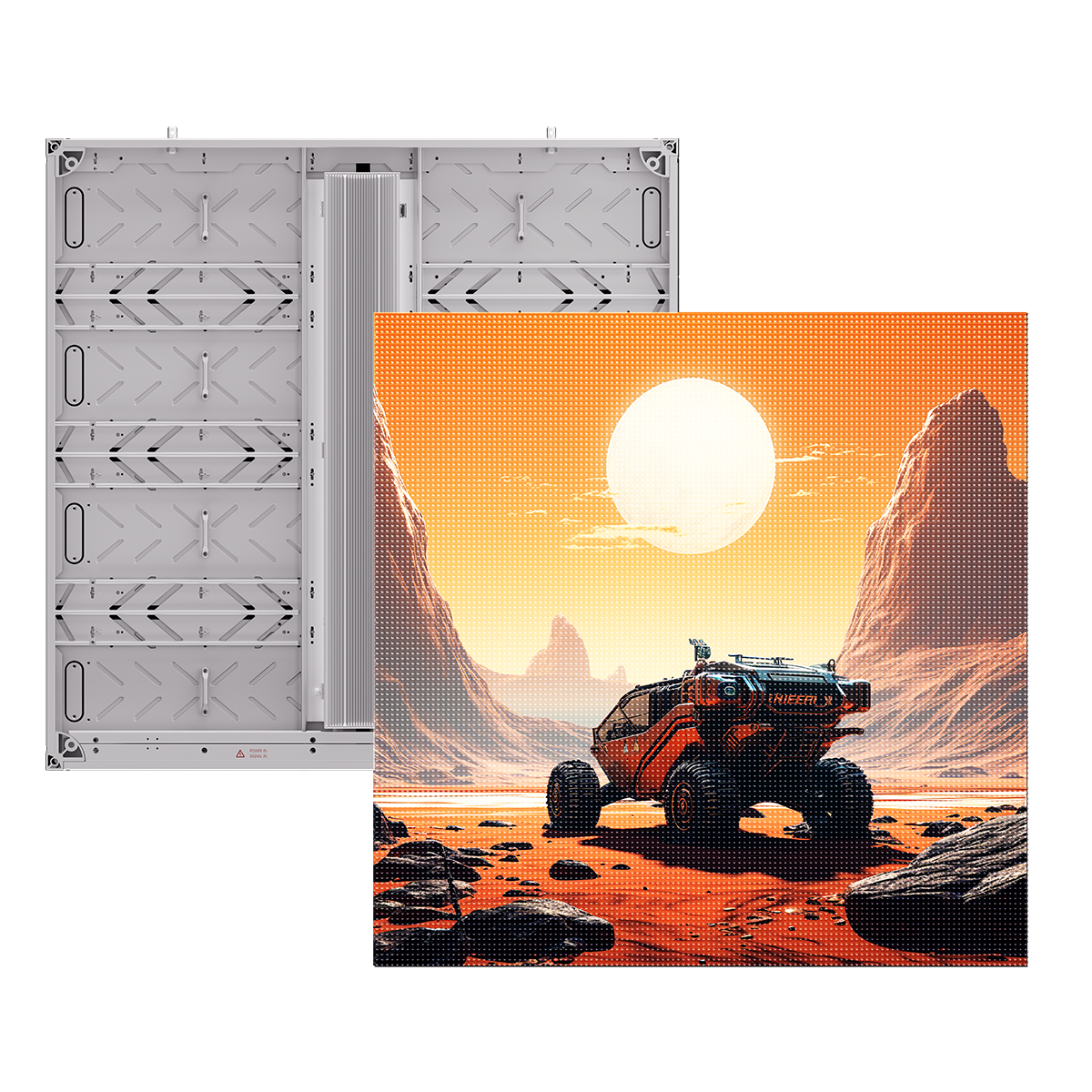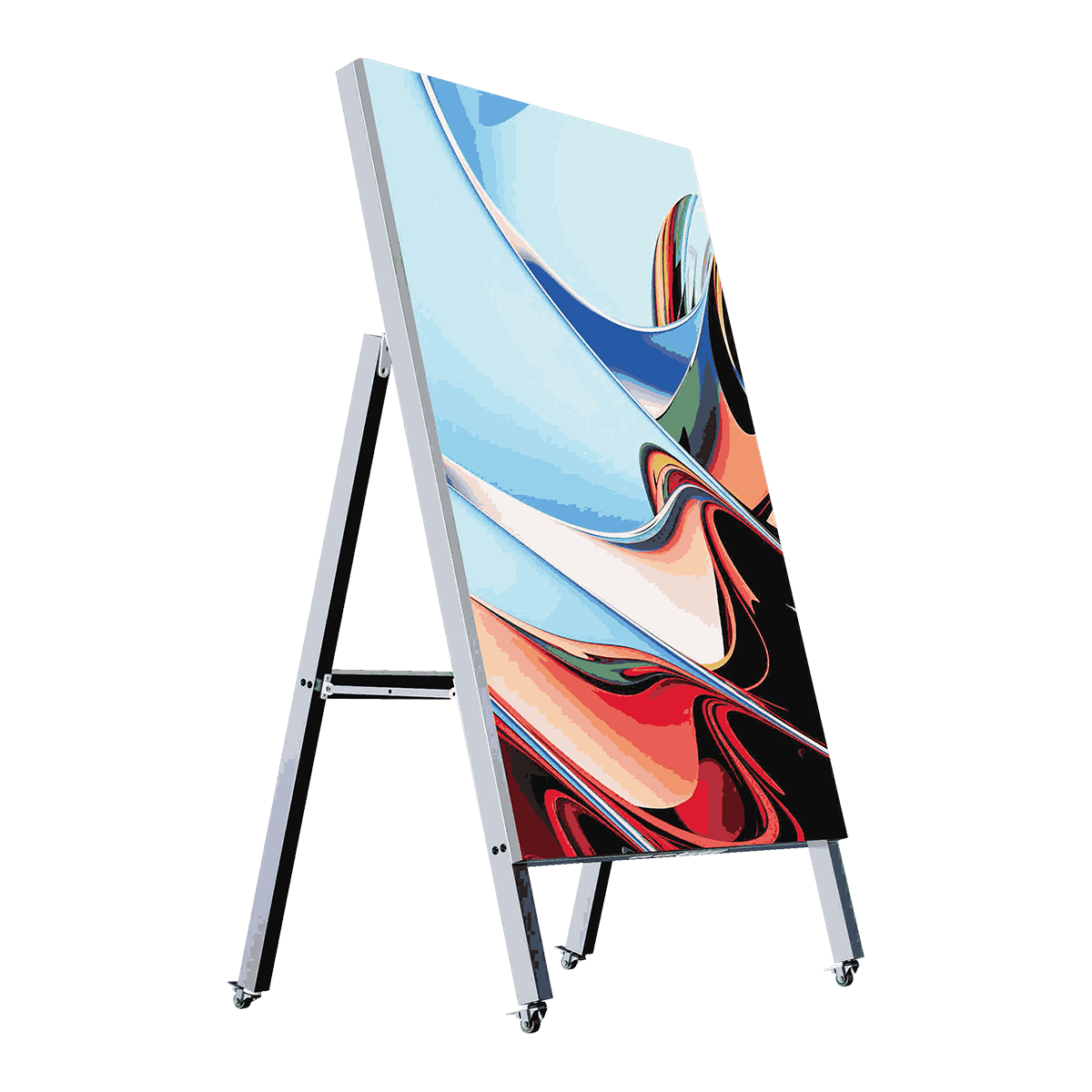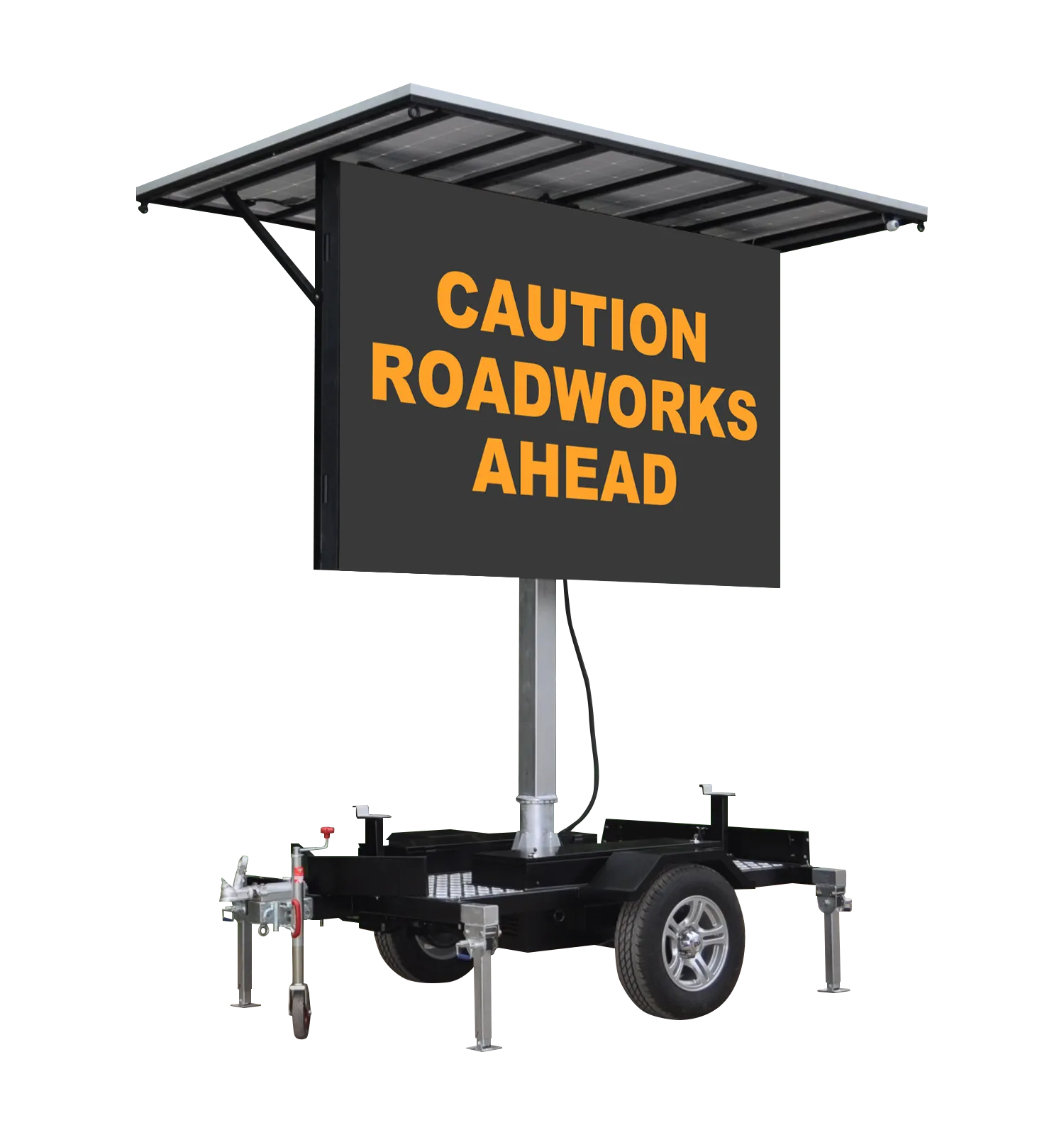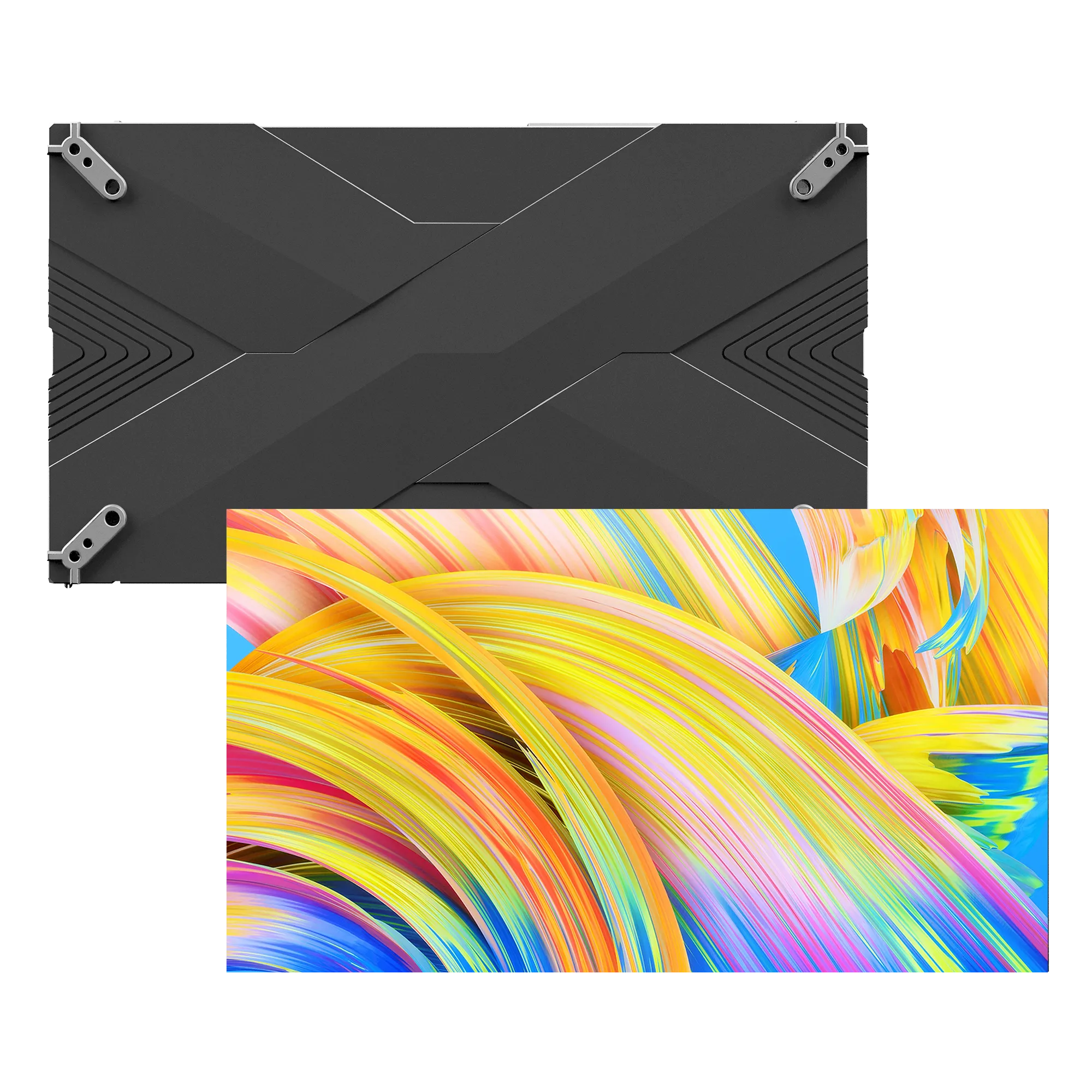
When purchasing outdoor LED displays, most buyers first ask: “How many nits?” In direct sunlight, brightness is indeed the basic threshold for visibility. However, a truly time-tested outdoor screen offers far more than “enough brightness.” The real long-term success factors lie behind brightness: protection, wind resistance, heat dissipation, lightweight design, and uniformity. Based on 17 years of field expertise, Kingaurora summarizes 5 core indicators.
Many focus only on “max brightness” but ignore uniformity and angle. Non-uniform screens cause “mosaic effects” or dark spots, harming advertising impact. Narrow angles lead to severe dimming or color shift when viewed from the side. A high-quality outdoor screen should achieve ≥97% uniformity, horizontal angle ≥140°, vertical ≥120°. In busy commercial districts or toll stations where multi-angle viewing is essential, uniformity and viewing angle can be even more important than peak brightness.
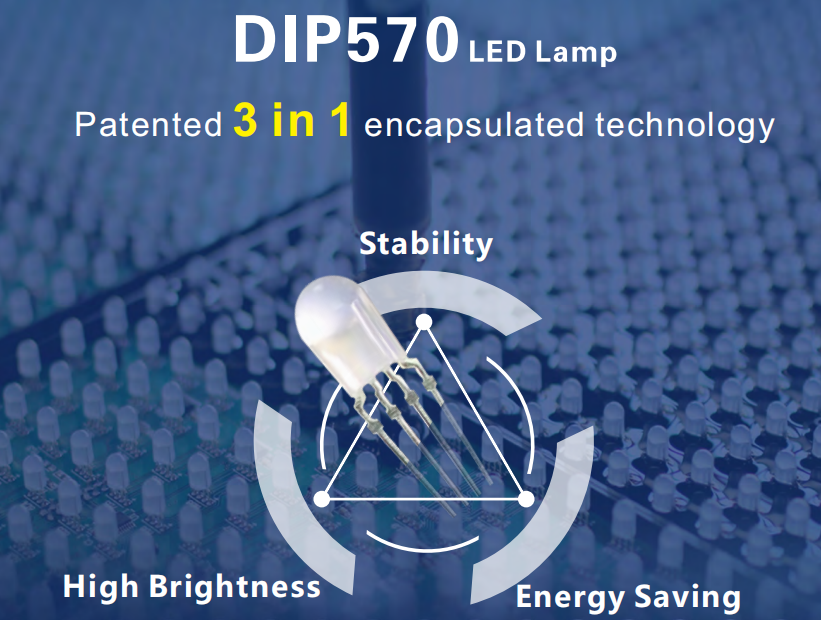
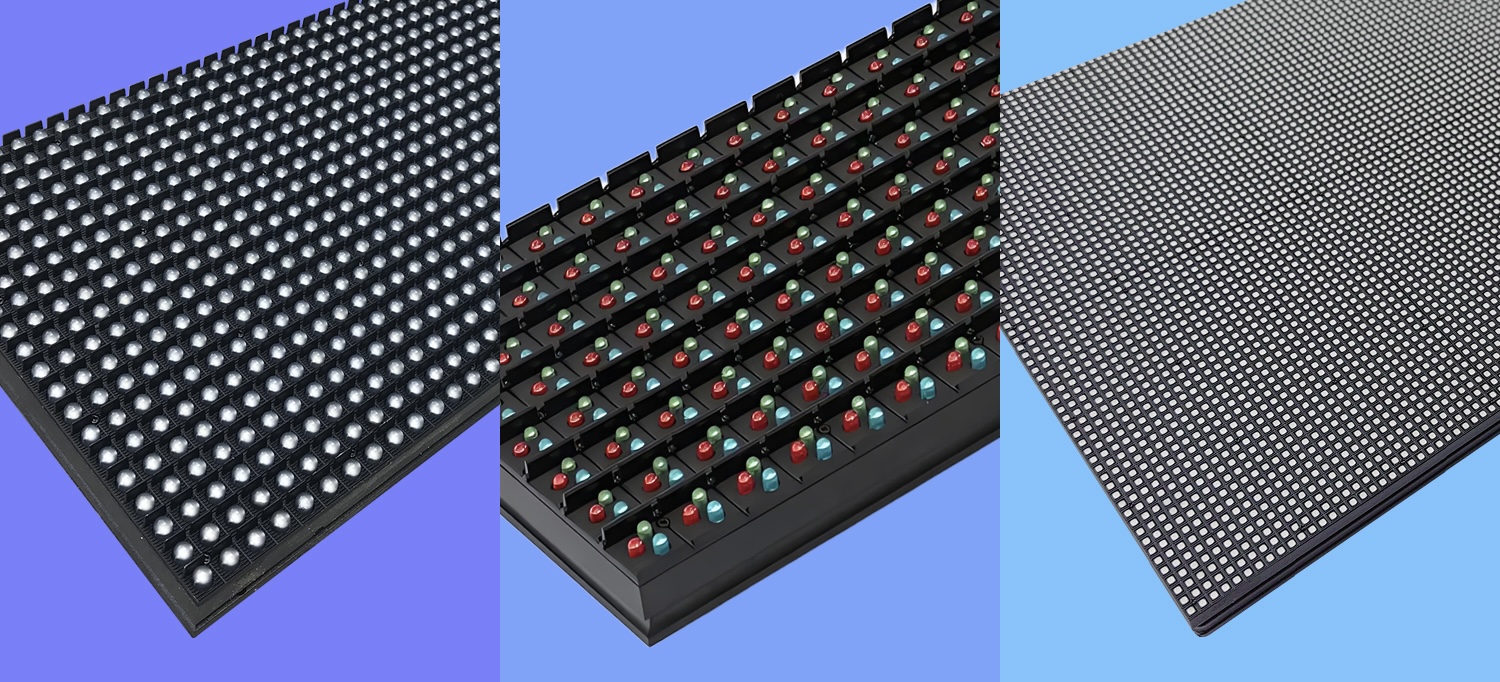
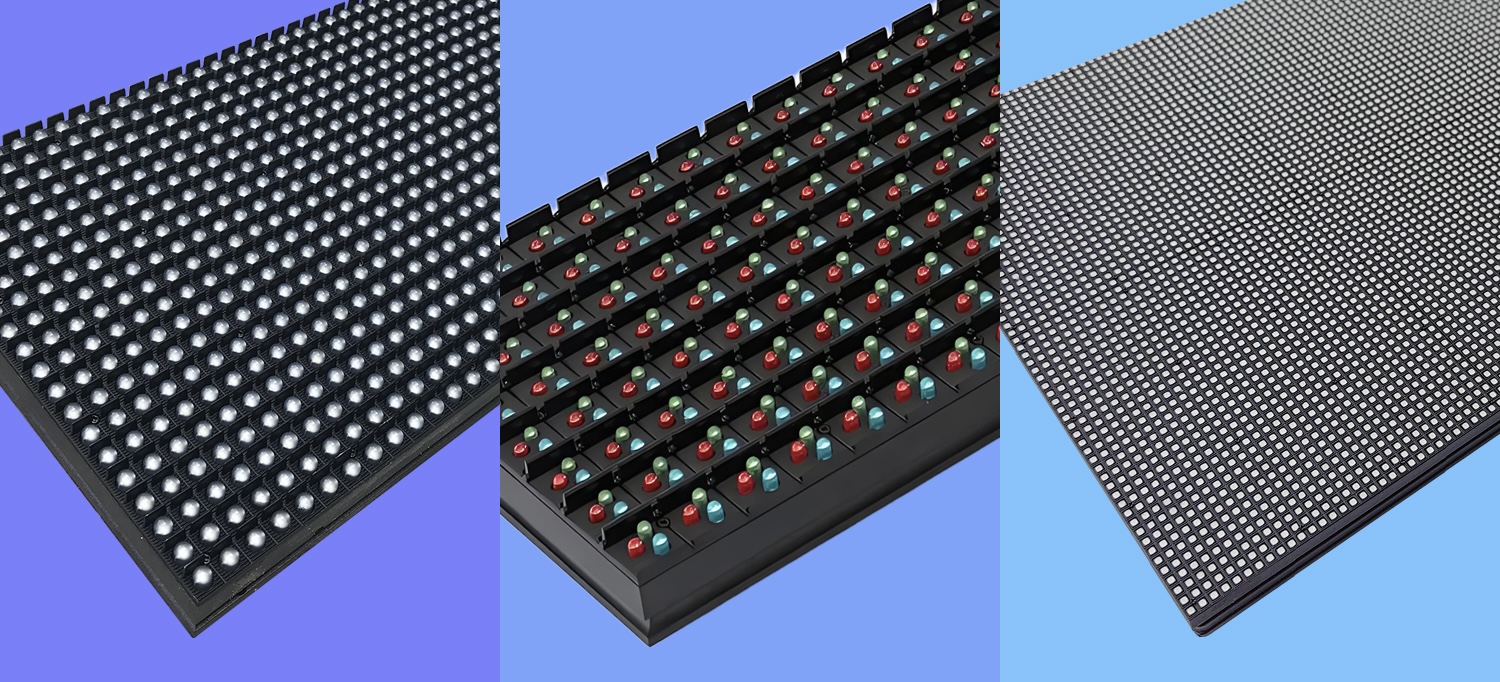
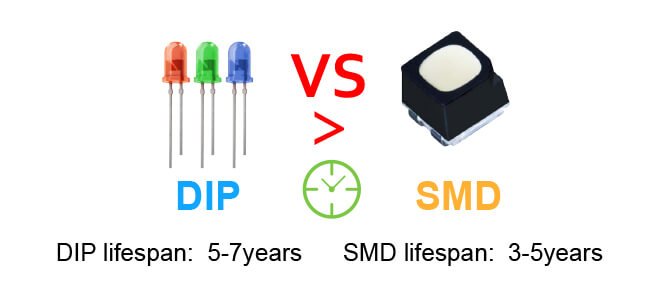
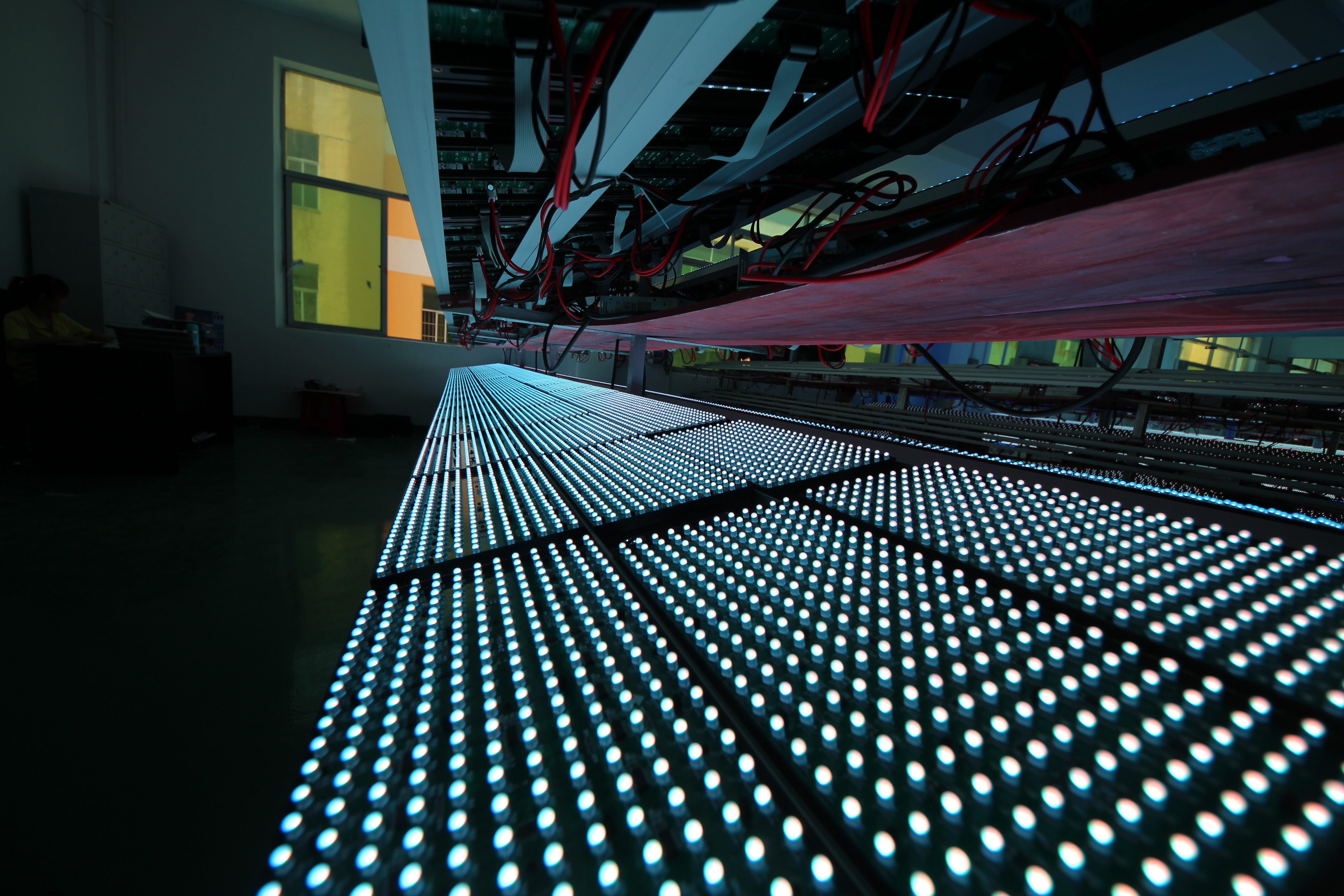
Outdoor environments bring heavy rain, high humidity, salt fog, sand, and UV — each can accelerate screen aging. Outdoor LED screens should at least meet IP65; for coastal or high-humidity zones, IP66 or higher is recommended. Kingaurora’s full range uses DIP570 lamp beads with full epoxy encapsulation, achieving inherent high-level protection from the lamp level, easily reaching IP65+ and eliminating moisture-induced short circuits and corrosion.
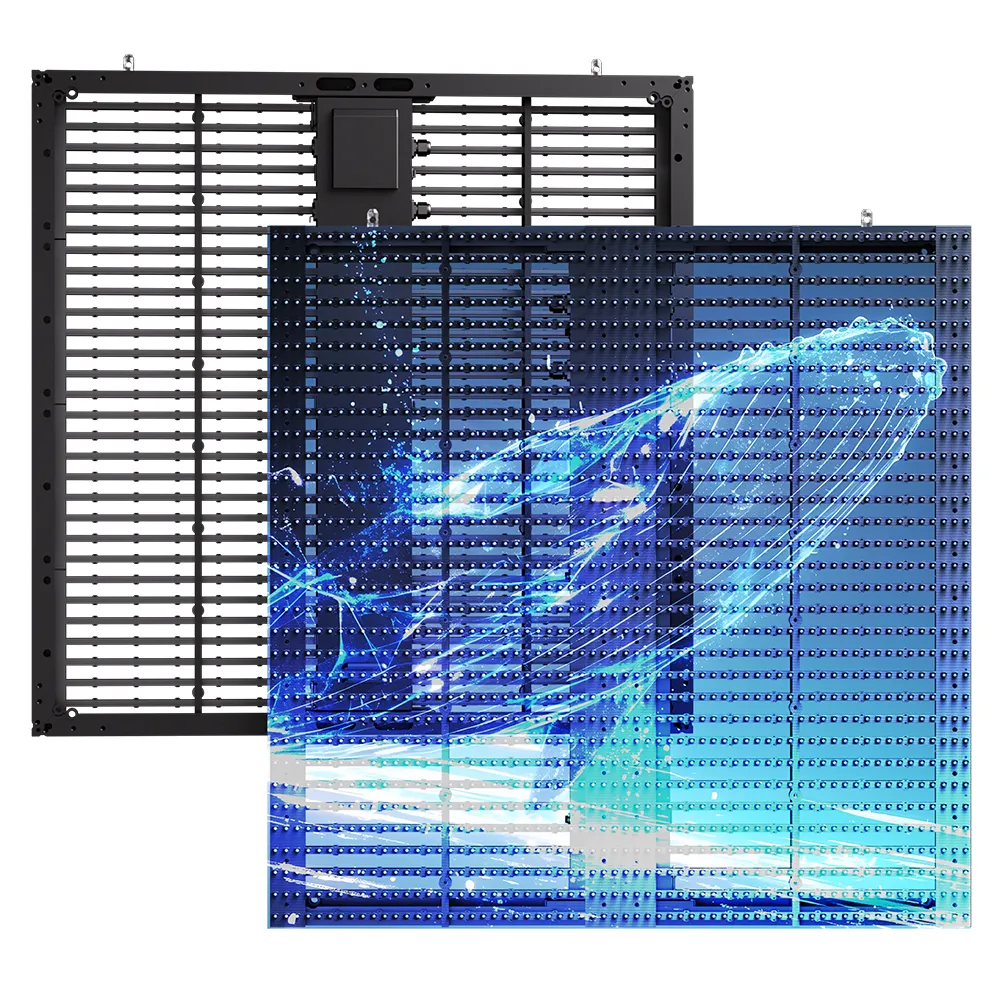
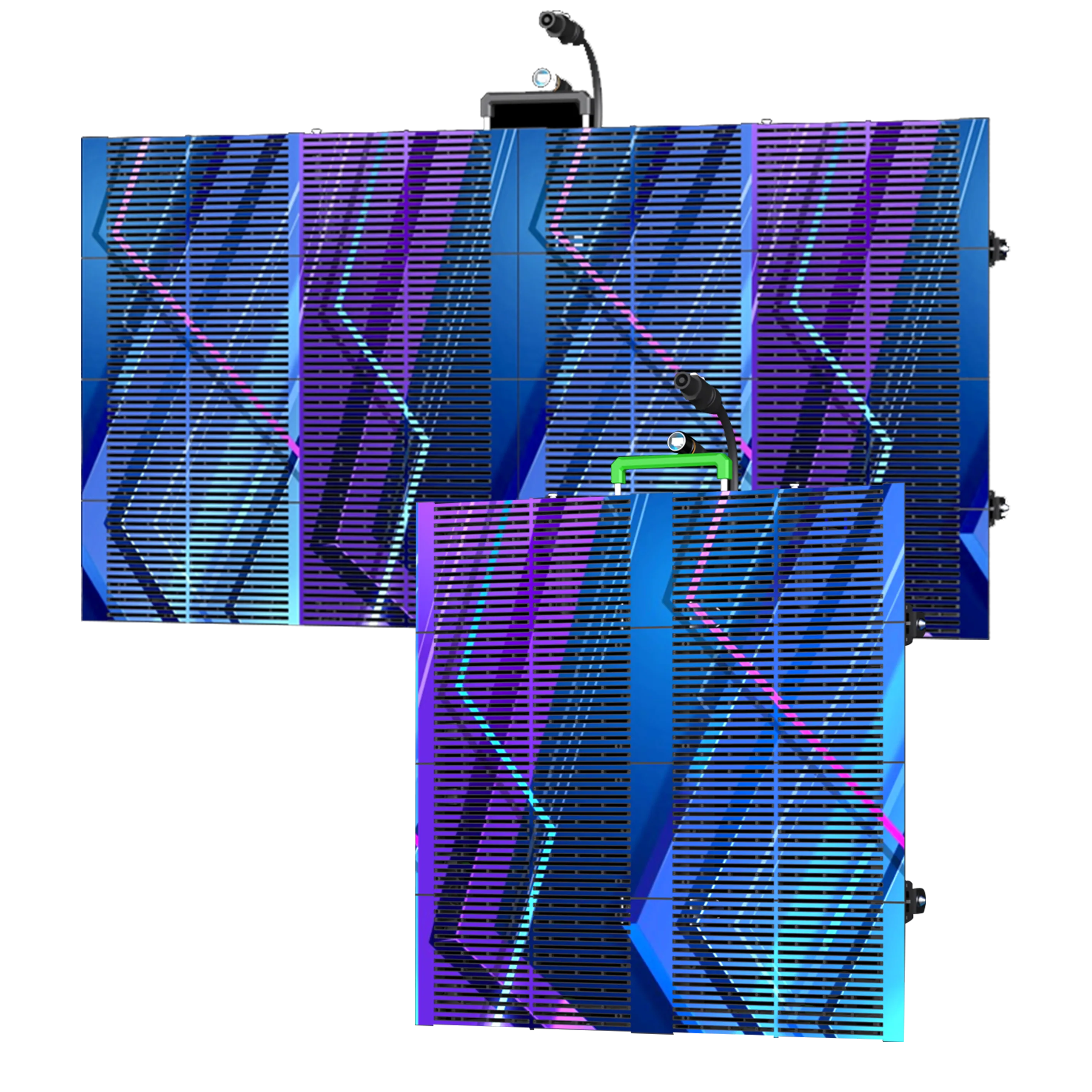
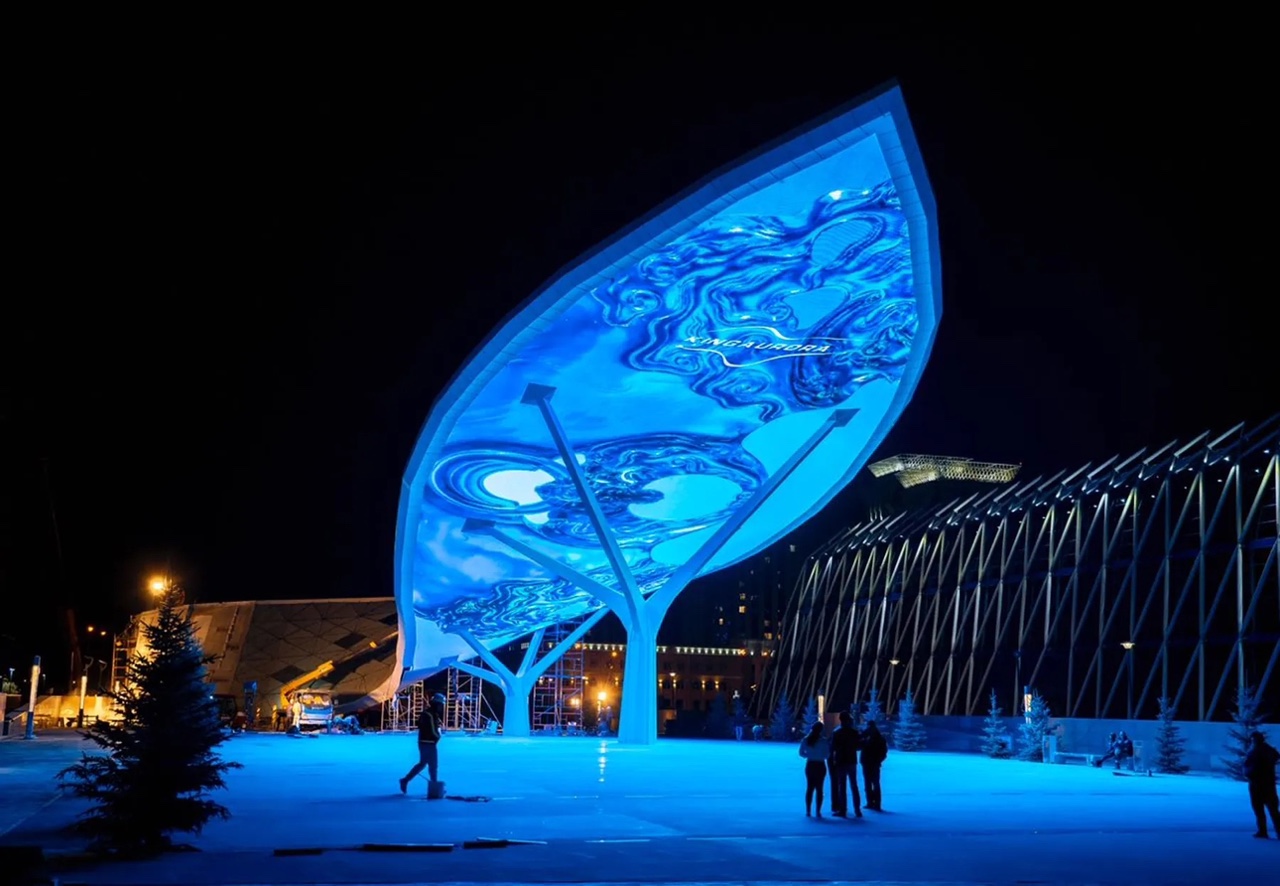
Screens on rooftops, building facades or highways endure strong winds and even typhoons. Traditional sealed screens act as solid walls, transferring full wind pressure to steel structures. Kingaurora B Pro series grille screens feature open design with 60%-80% transparency, allowing wind to pass through, drastically reducing resistance. Even so, structural calculation — wind load rating, design pressure, fastener fatigue — is critical. Kingaurora’s global projects in typhoon-prone areas are all verified by professional mechanical analysis to ensure stability in extreme gales.
LED chips are highly temperature-sensitive: every 10°C rise in junction temperature may halve lifespan. Traditional sealed screens accumulate heat, requiring fans or AC — increasing both power usage and failure points. In summer, internal temperatures can exceed 60°C, accelerating LED depreciation and color drift. Grille screens with open structure form natural convection, removing heat without extra equipment, significantly lowering failure rates.
Traditional outdoor screens weigh 50–60 kg/m², challenging for older buildings and raising transport/hoisting costs. Many downtown landmarks or historical buildings simply can't support such load. Lightweight grille screens are only 15–25 kg/m² — one third of conventional weight. Kingaurora B Pro series is only 70mm thick with up to 62% transparency, easily fitting on glass curtain walls or non-load-bearing facades. Light weight reduces reinforcement costs, speeds installation, and lowers high-altitude risks. Always back-calculate permissible screen weight according to site load limits — lightweight design often determines project viability.
Final word: A true outdoor champion never fights with brightness alone.
Brightness is the entry ticket, but not everything. IP rating decides how long it lives; wind resistance decides stability high above; thermal & efficiency decide running costs; lightweight design decides feasibility; uniformity & angle decide image quality. Kingaurora has focused on outdoor displays for 17 years, from scorching deserts to freezing plateaus, windy coasts to iconic landmarks, proving reliability through extreme projects. Next time you select a screen, review these 5 indicators — don’t just look at brightness. Reliability is the first principle of outdoor display.

3th Building,Gaosite Zone Pingshan
New District, Shenzhen


sevice88@kingaurora.com
3th Building,Gaosite Zone Pingshan
New District, Shenzhen