When selecting outdoor LED displays, almost every customer sees two key parameters:
- Average Power
- Peak Power (Maximum Power)
Many people's first reaction: "The lower the value, the more power-saving."
But the truth is: energy consumption of outdoor displays is never a simple numbers game.
Peak power refers to instantaneous power consumption under 100% brightness, full white image, and extreme operating conditions. It determines whether power supply configuration and distribution system are adequate, not daily electricity costs.
Average power is the typical energy consumption when the display plays normal content (ads/video/dynamic images). It directly determines electricity bills and long-term operational expenses.
A common industry tactic: using "low peak power" to create an energy-saving impression while average power remains unchanged. In reality, screens rarely run at full-white max power for long periods. Most of the time they display videos or dynamic content, so actual energy consumption is mainly determined by average power.
In environments such as intense Middle Eastern sunlight, high-temperature & high-humidity Southeast Asia, high-illumination Latin American cities, and coastal high-reflection areas, screens often need to run long-term at 8000–10000 nits high brightness. Under these conditions, whether power data is genuine becomes more important than the spec sheet itself.
Saudi Arabia / Middle East high-sunlight projects
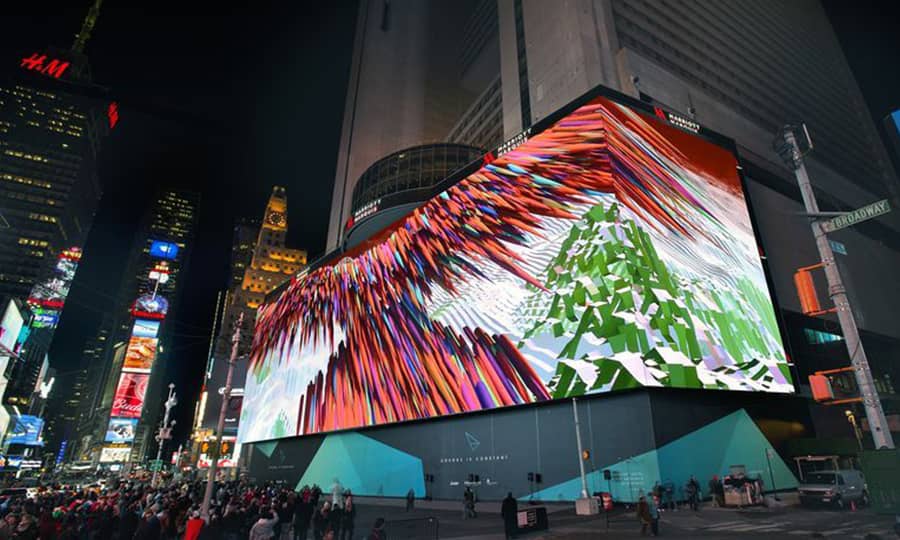
In Riyadh, Jeddah, outdoor LED screens face strong sunlight year-round: prolonged high-brightness output, nearly continuous high-load operation during daytime, greater stress on cooling and power systems. In such environments, "average power" essentially equals real operating cost, not theoretical value.
Latin America (Brazil / Chile etc.) outdoor advertising projects
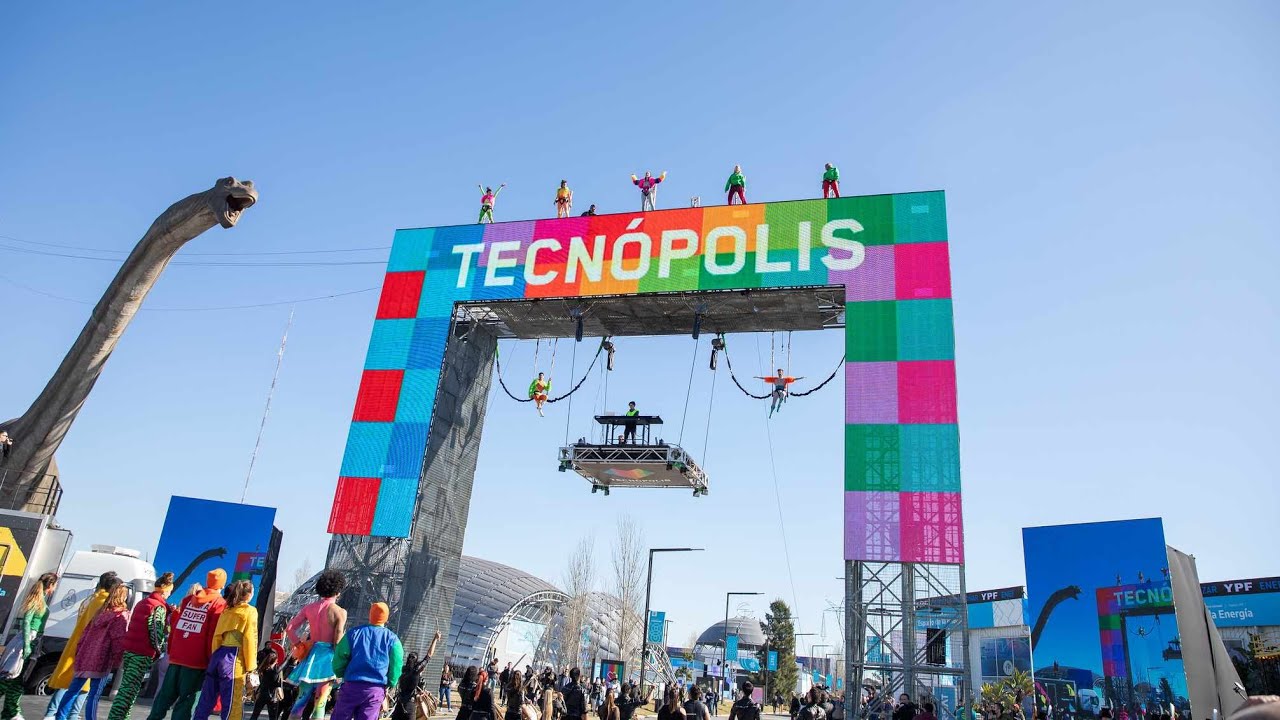
Characteristics: strong sun + long outdoor exposure; advertising screens run 12–18 hours/day; dense deployment in commercial districts. Operators focus on long-term electricity costs + stable operation, not peak power.
SA / AE commercial landmark and urban screen projects
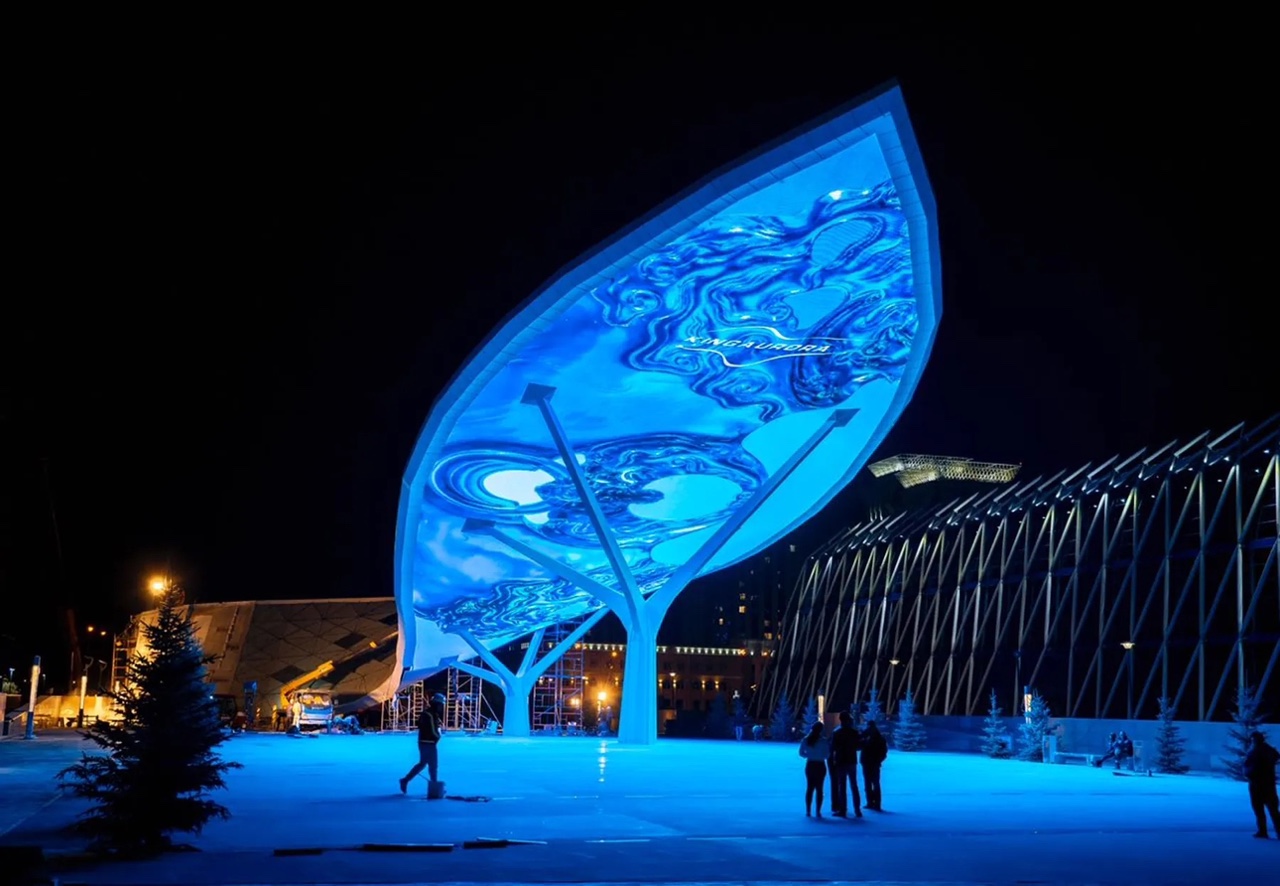
In Dubai, Riyadh landmark projects, LED screens serve as city image showcases with extremely high brightness requirements (8000–10000 nits). Prolonged high-brightness operation becomes standard. A clear conclusion: peak power is just a design parameter; average power is the core of operational cost.
In the 8000 nits high-brightness market, typical reference data: peak power approx. 550W/m², average power approx. 180W/m².
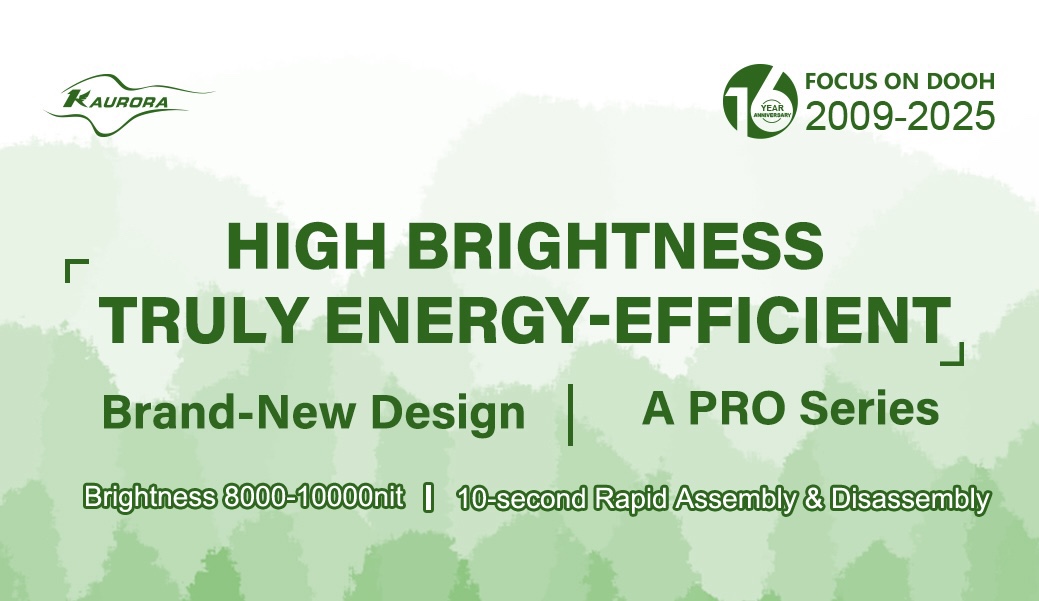
With more efficient structural design such as Kingaurora A PRO series: peak power 380W/m², average power 125W/m². While ensuring high-brightness display performance, it achieves lower long-term energy consumption through higher efficiency drive and system optimization. The essence is not parameter difference but "high-brightness operating efficiency" difference.
Stop looking at a single parameter; focus on three dimensions:
1. Average power (determines long-term electricity cost)
2. Peak power (determines engineering safety)
3. Real power consumption under high-brightness operation (determines data credibility)
You must ask clearly: "What is the average power at 8000–10000 nits brightness?"
The problem with many so-called "low-power solutions": lab parameters look good, but they ignore long-term high-brightness operation and real outdoor environmental differences. True energy efficiency means: maintaining stable low energy consumption under real high-brightness usage scenarios.
Peak power determines if it can work.
Average power determines how expensive it is to use.
Real power under high brightness determines whether the specs are meaningful.







3th Building,Gaosite Zone Pingshan
New District, Shenzhen


sevice88@kingaurora.com
3th Building,Gaosite Zone Pingshan
New District, Shenzhen