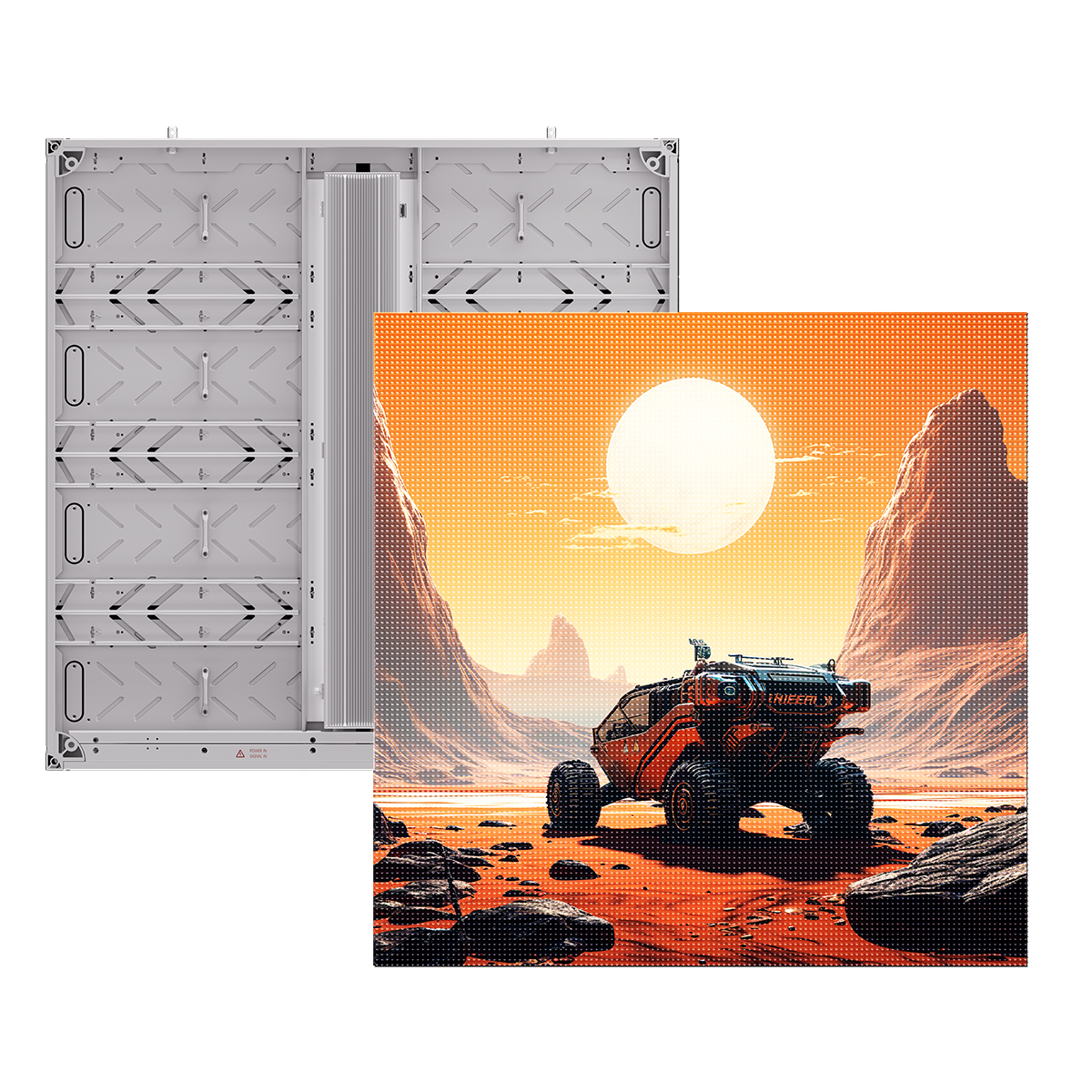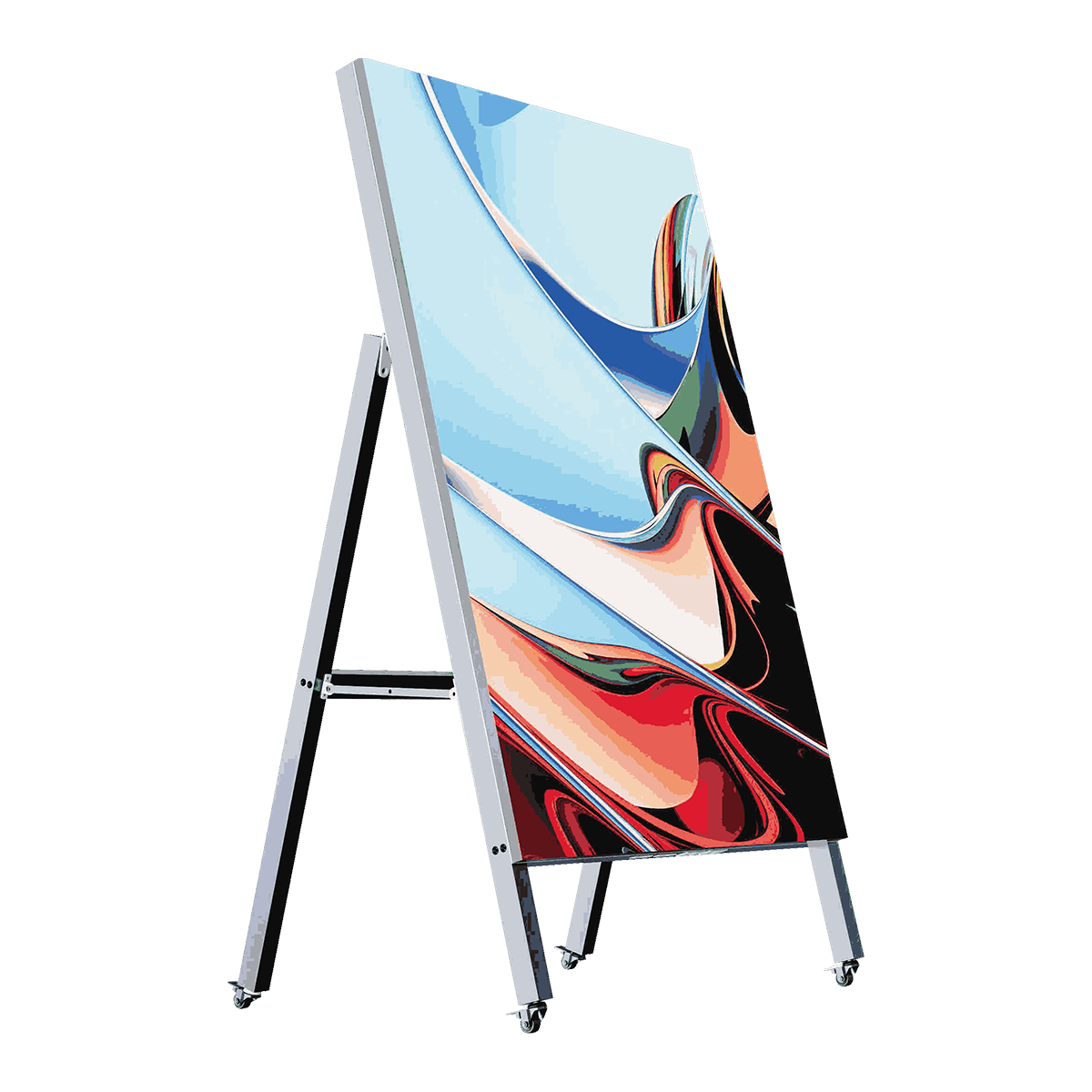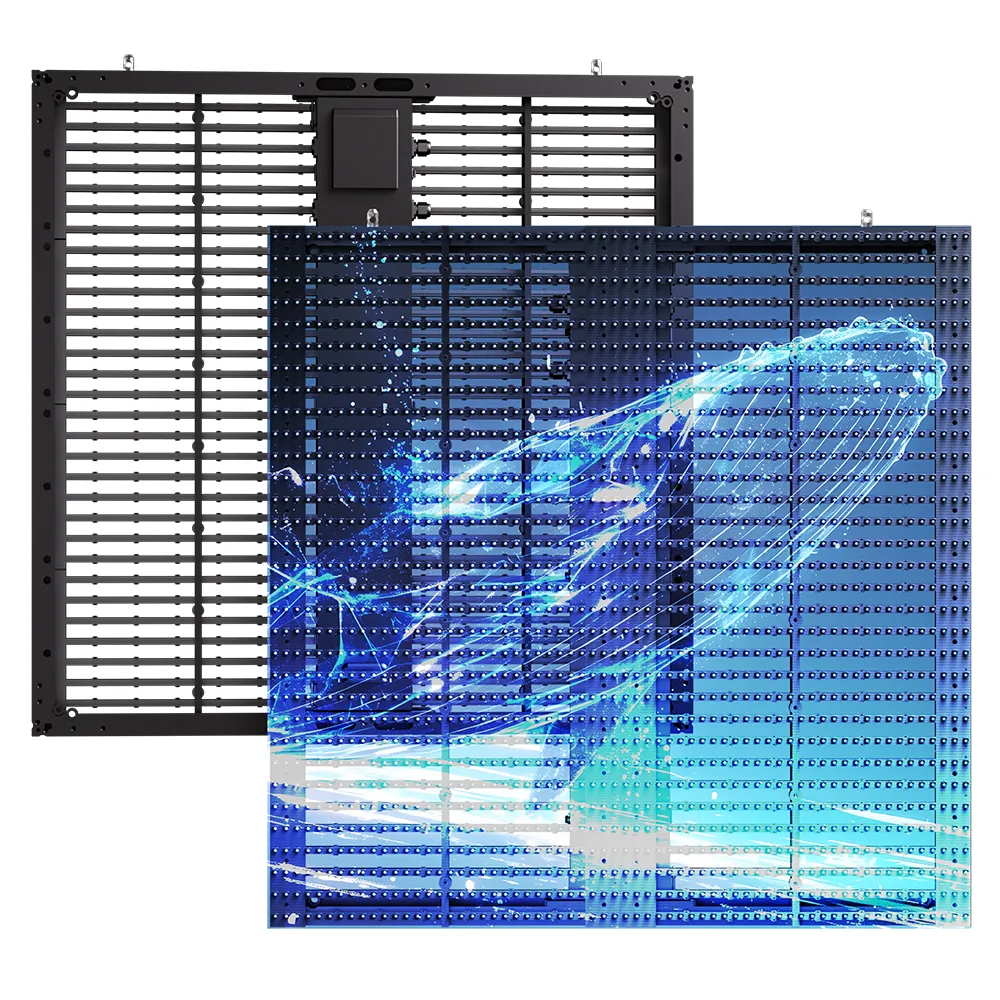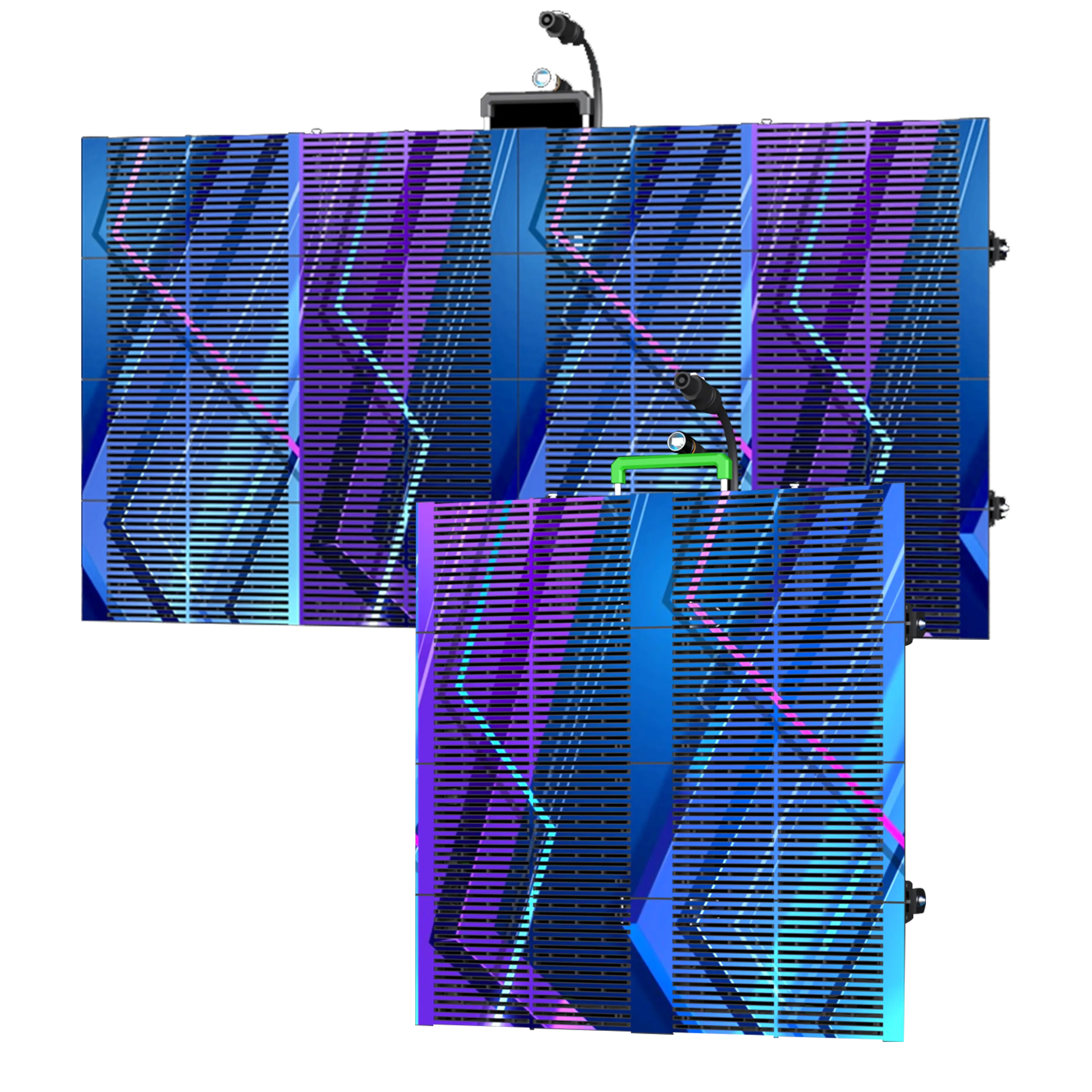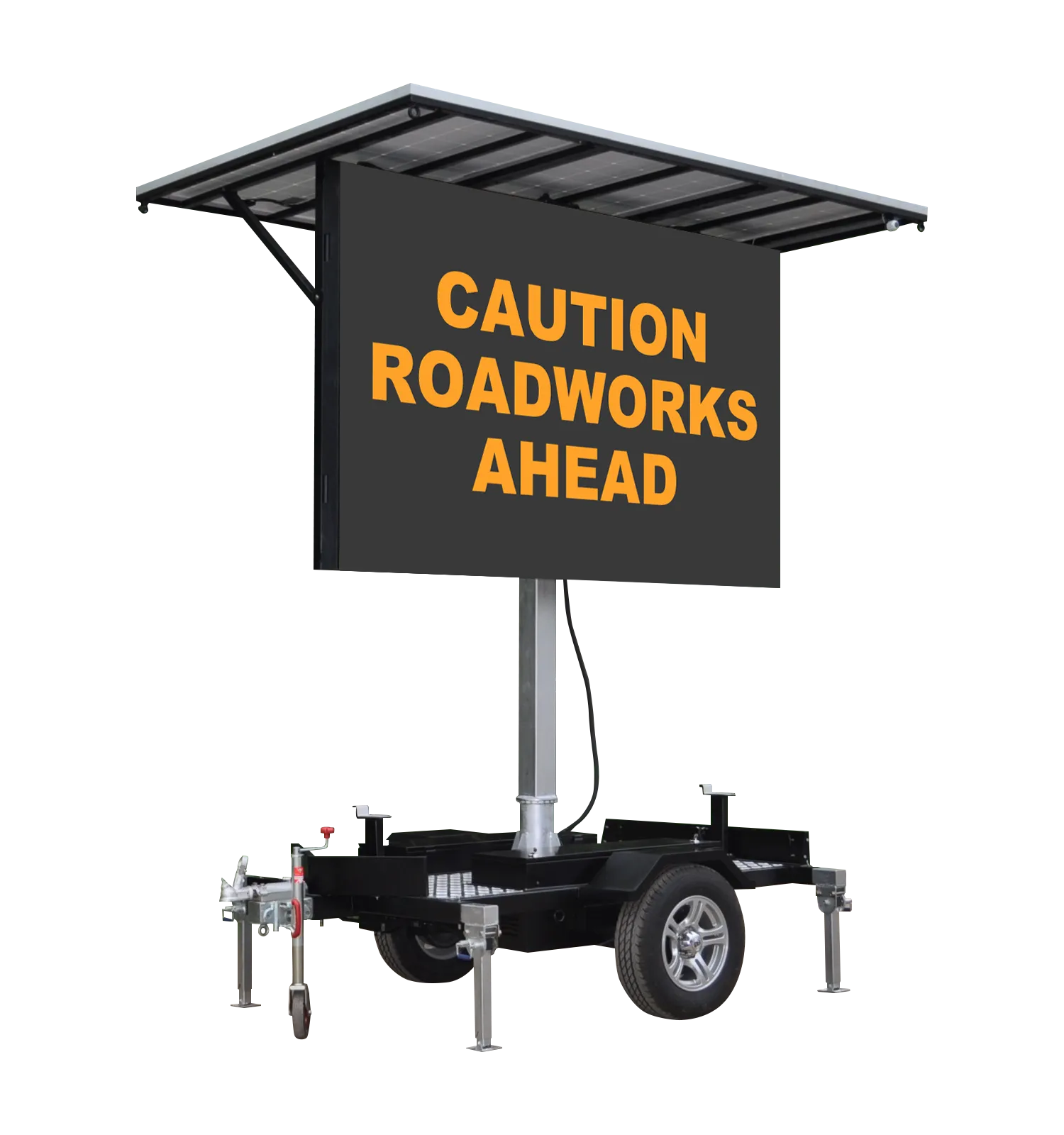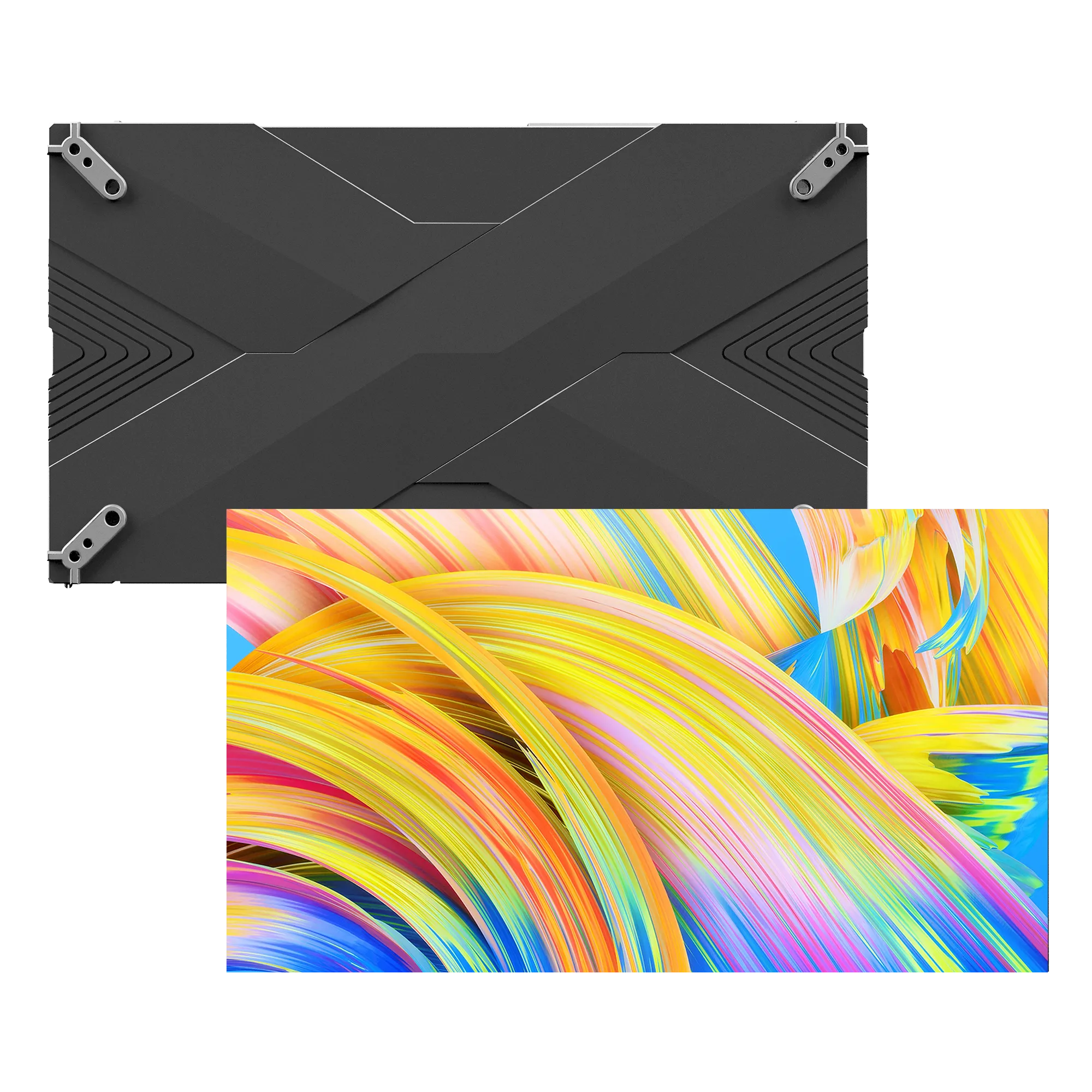
In recent years, SMD has become the mainstream solution in the LED display industry, especially in indoor fine-pitch applications. But if you turn your attention to large outdoor LED billboards, you'll notice something interesting: by 2026, DIP has not exited the outdoor display stage. The answer isn't about which is "more advanced" — it's that different scenarios have fundamentally different requirements.
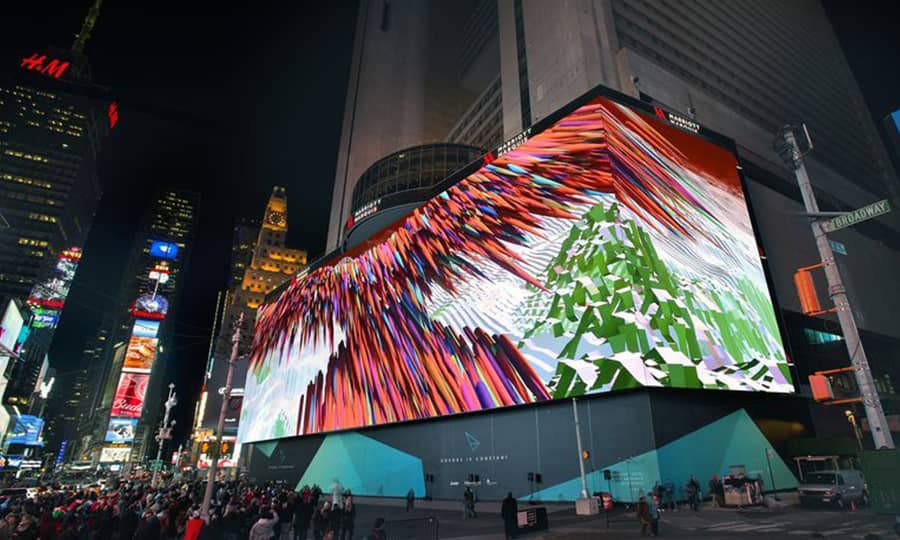
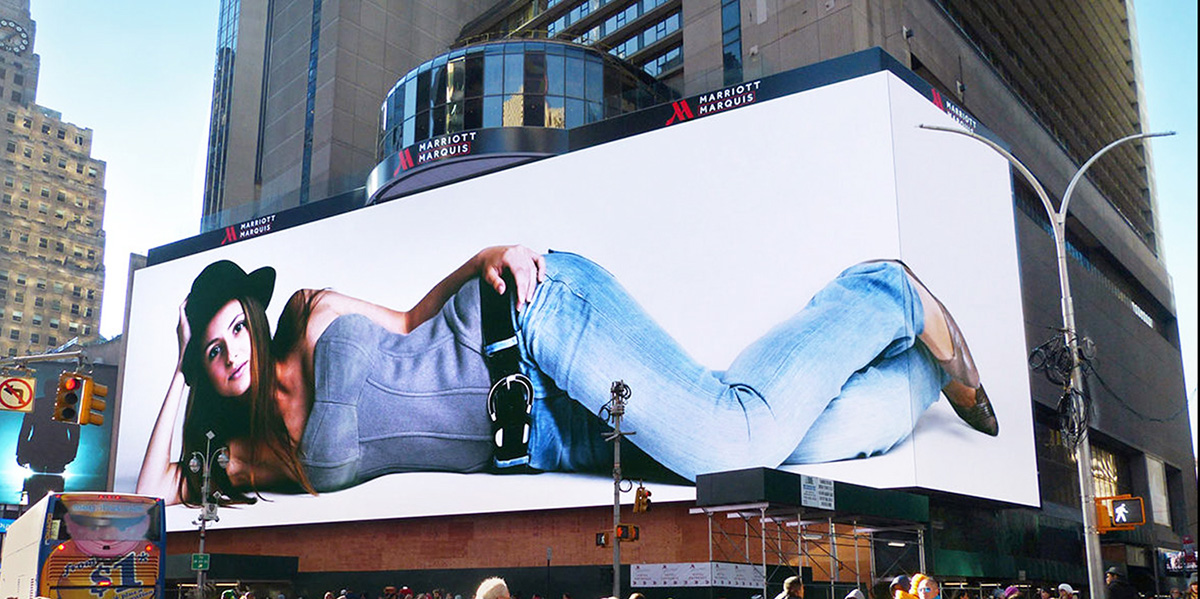
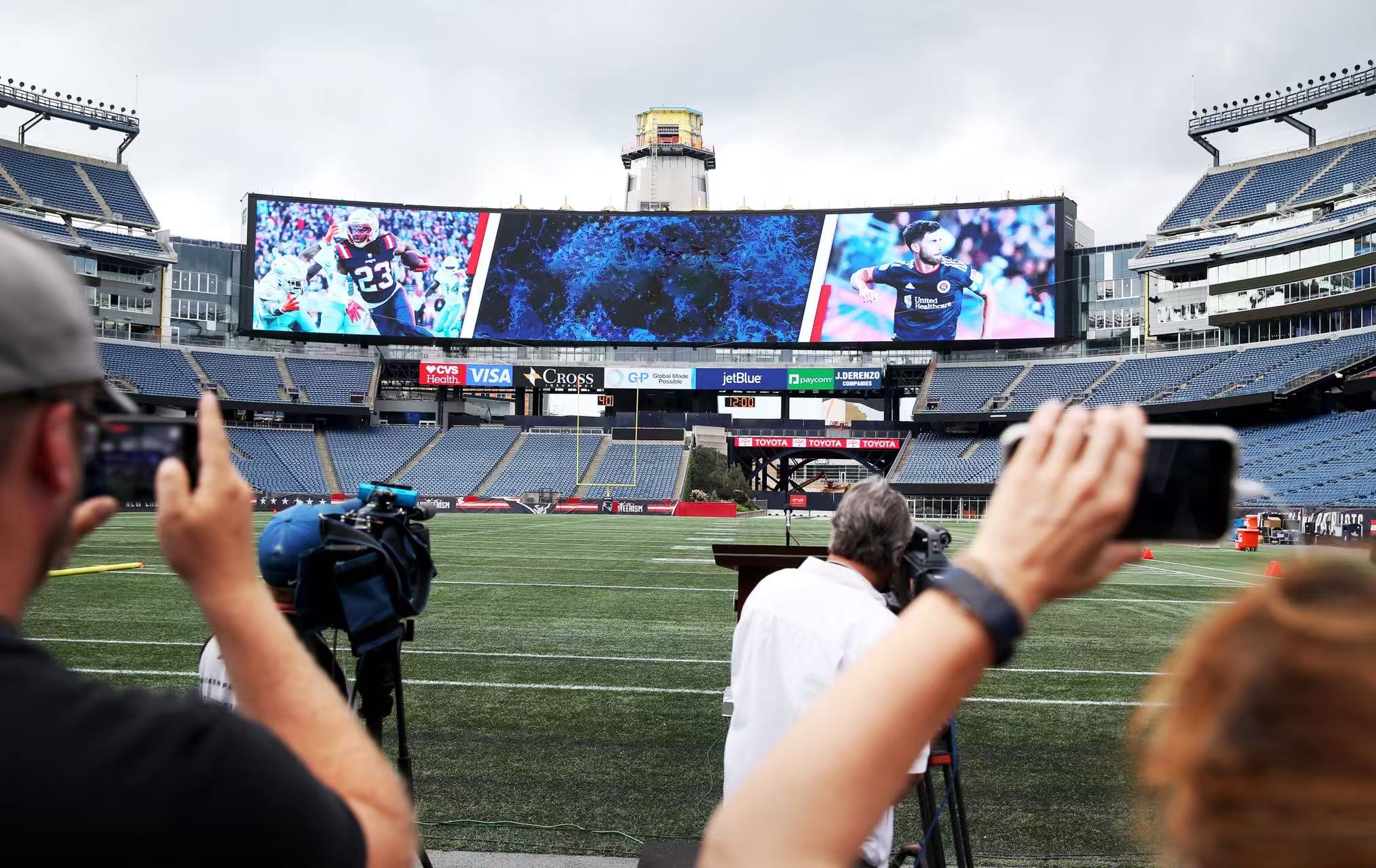
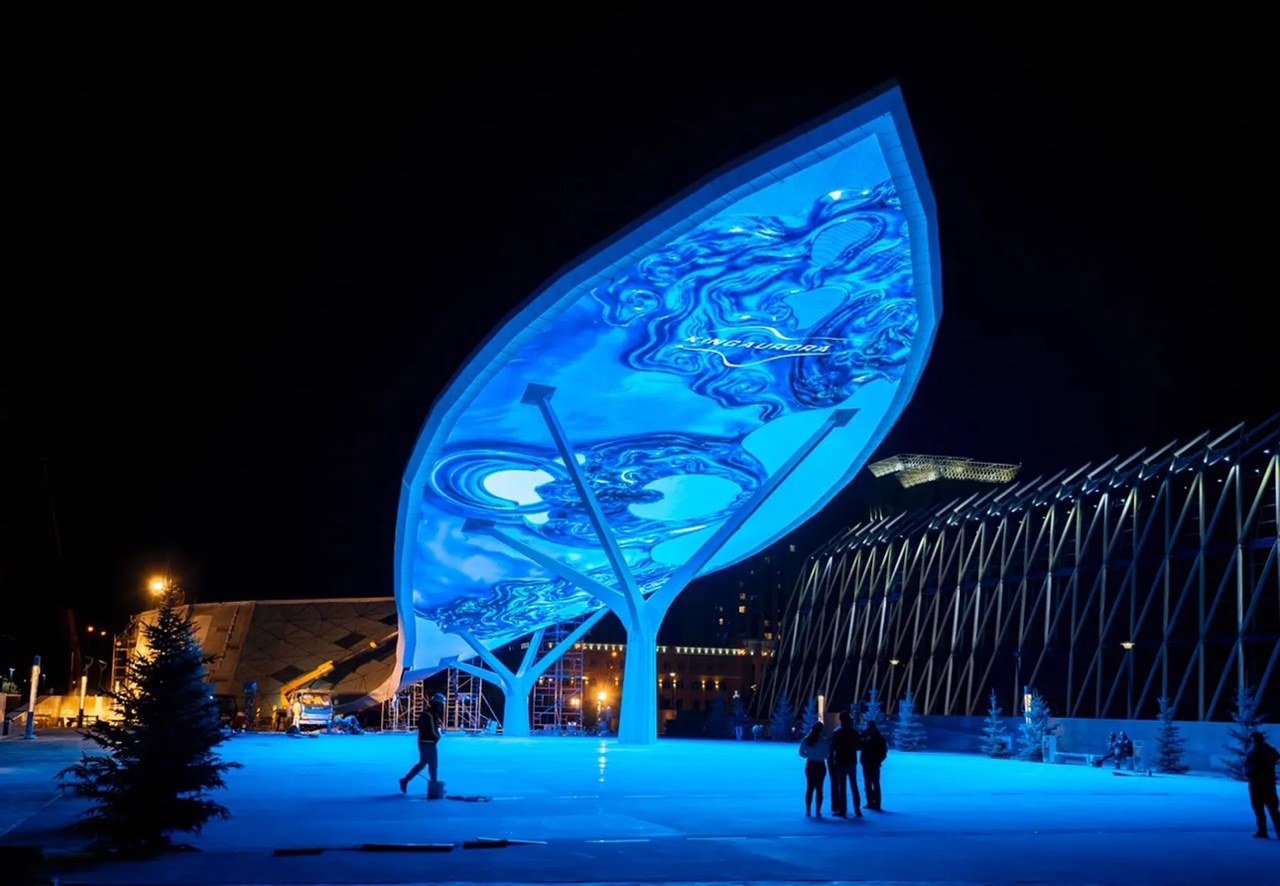
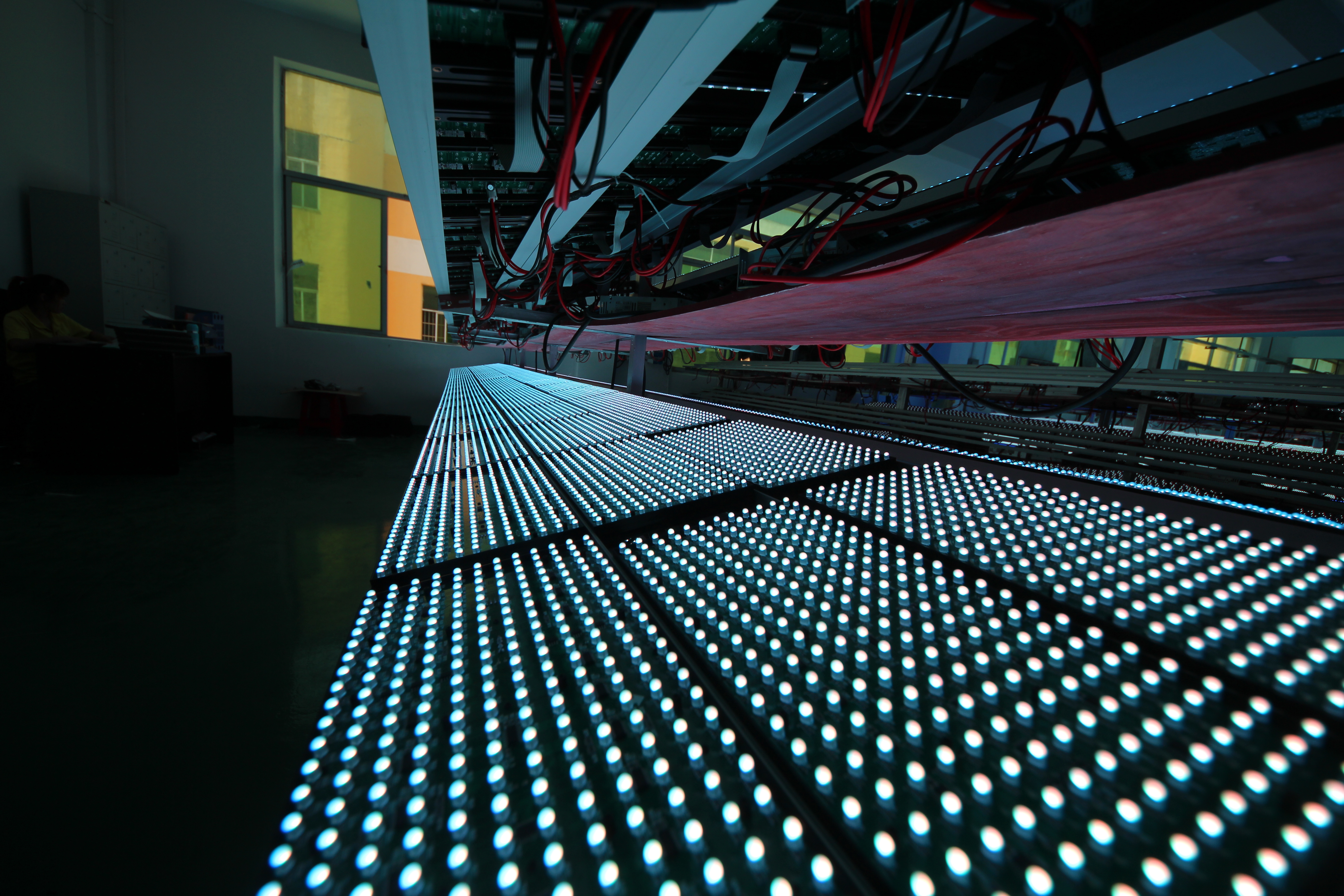
The biggest difference between outdoor and indoor screens is the operating environment. Under direct sunlight, LEDs need sufficient brightness to be clearly visible from a distance. High-brightness outdoor screens typically reach 6000–10000+ nits. Higher brightness means LEDs must withstand greater operating current and thermal stress, making aging tests particularly important. Long-term, high-load operation helps identify potential issues with LEDs, solder joints, and circuits in advance. For outdoor billboards that run 24/7, reliability is never something that can be ignored.
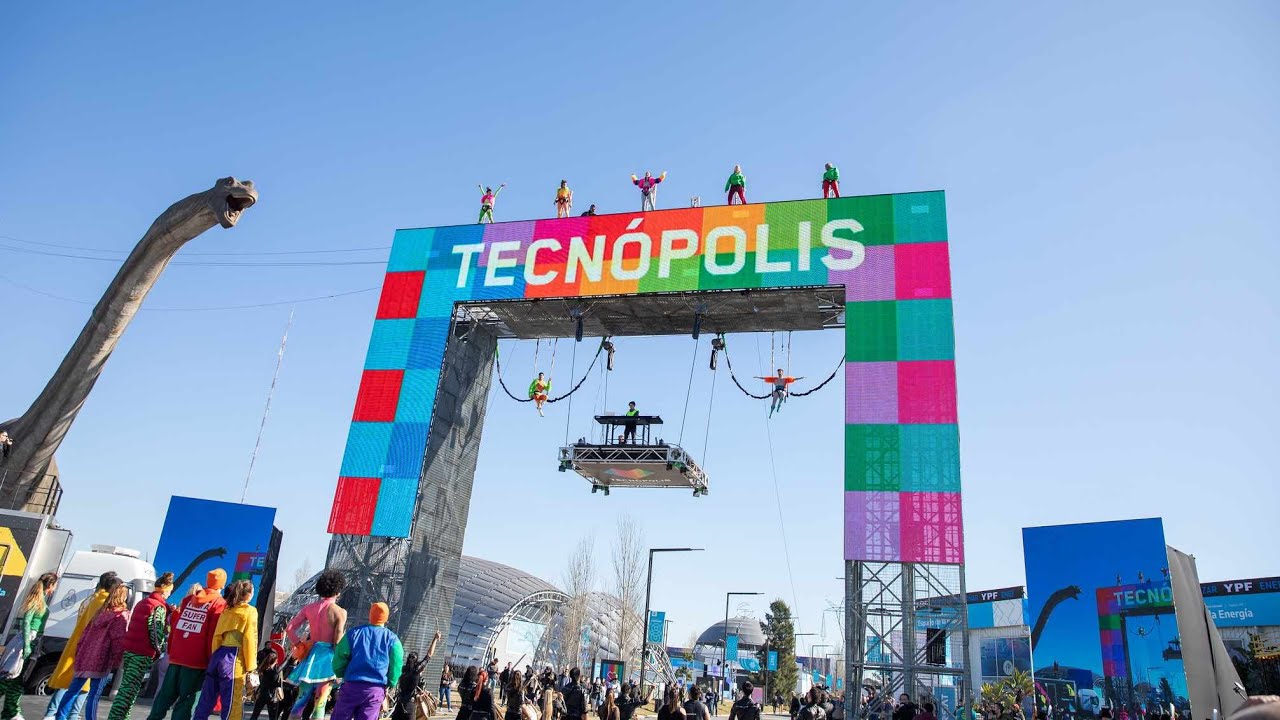
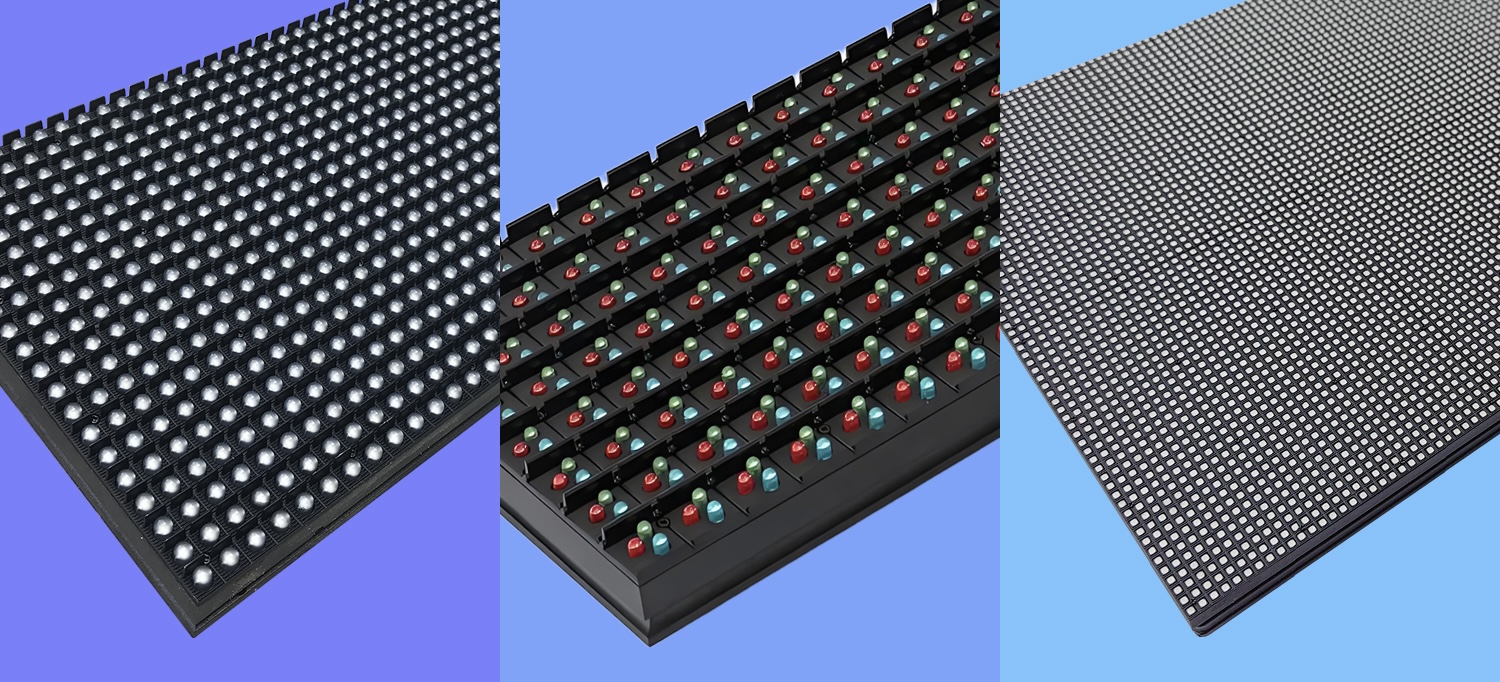
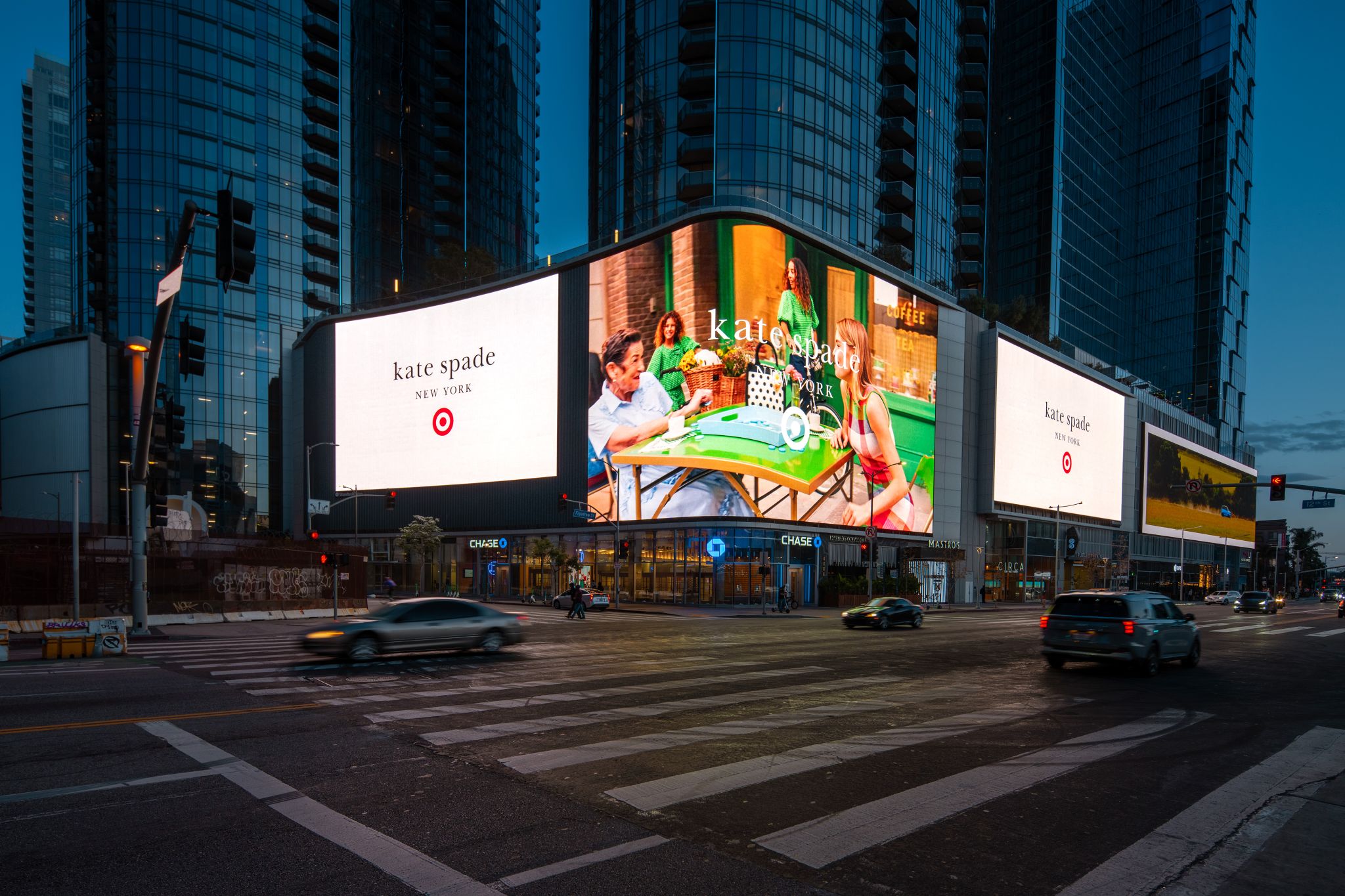
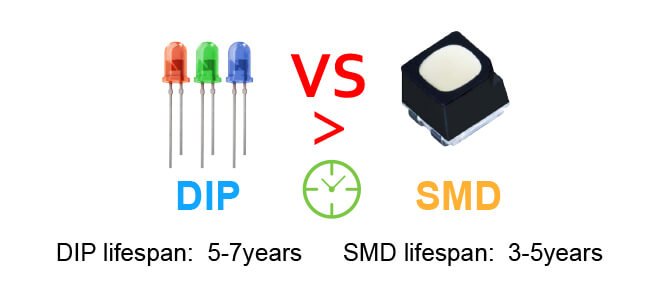
SMD uses surface mounting — compact structure, small pixel pitch, ideal for indoor and fine-pitch displays. DIP uses a through-hole structure, with LED pins inserted directly into the PCB and soldered, providing stronger mechanical connections. Outdoor long-term operation must face high temperatures, low temperatures, rain, moisture, wind, and thermal expansion and contraction. Therefore, in large outdoor billboards, sports venues, and roadside media applications, DIP's structural stability still has real value. This is why many large outdoor billboards still use DIP solutions today.
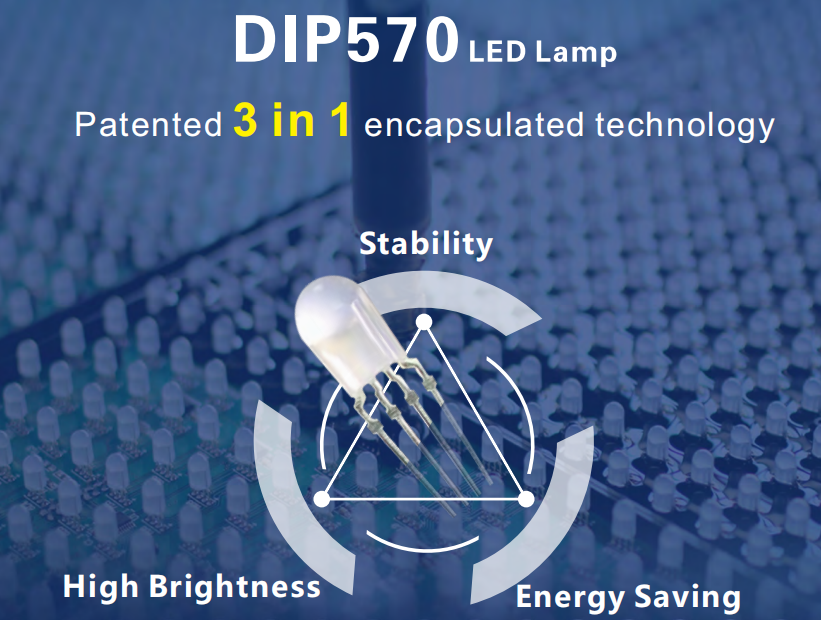
Maturity does not mean stagnation. Take Kingaurora's independently developed DIP570 RGB 3-in-1 LED as an example — it integrates RGB chips into a more compact DIP structure, achieving multiple optimizations over traditional DIP346:
DIP continues to adapt to the modern outdoor display market through new packaging and product designs.
No single LED packaging technology suits every scenario. If a project focuses on small pixel pitch, high-definition display, and close-viewing quality, SMD usually has clear advantages. For high-brightness, large-size, long-distance viewing, and 24/7 outdoor billboards, DIP remains a solution worth considering. In short: indoor fine-pitch favors SMD; large high-brightness outdoor favors DIP.
| Comparison | SMD | DIP |
|---|---|---|
| Typical Application | Indoor, fine-pitch, close viewing | Large outdoor, high brightness, long distance |
| Packaging Structure | Surface mount, compact | Through-hole, stronger mechanical connection |
| Pixel Pitch | Clear advantage in fine pitch | Suited for larger pitch outdoor applications |
| Outdoor Adaptability | Moderate | Stronger, better weather resistance |
| Long-Term Reliability | Suited for standard environments | Suited for 24/7 harsh environments |
Truly professional LED display selection should not simply pursue the "latest technology," but comprehensively judge based on the project's usage environment, viewing distance, brightness requirements, operating hours, and reliability requirements.
Conclusion
In 2026, SMD remains an important technology route in the LED display industry. But at the same time, DIP is far from obsolete. For large outdoor LED billboards, high brightness, heat dissipation, structural stability, and long-term reliable operation are often more important than simply pursuing smaller pixel pitch.
There is no absolute "best" technology — only choices better suited to specific application scenarios. This may be why, in 2026, DIP remains active in the large outdoor LED display market.
Kingaurora — focused on LED display technology and product development, providing more reliable LED display solutions for different application scenarios.

3th Building,Gaosite Zone Pingshan
New District, Shenzhen


sevice88@kingaurora.com
3th Building,Gaosite Zone Pingshan
New District, Shenzhen