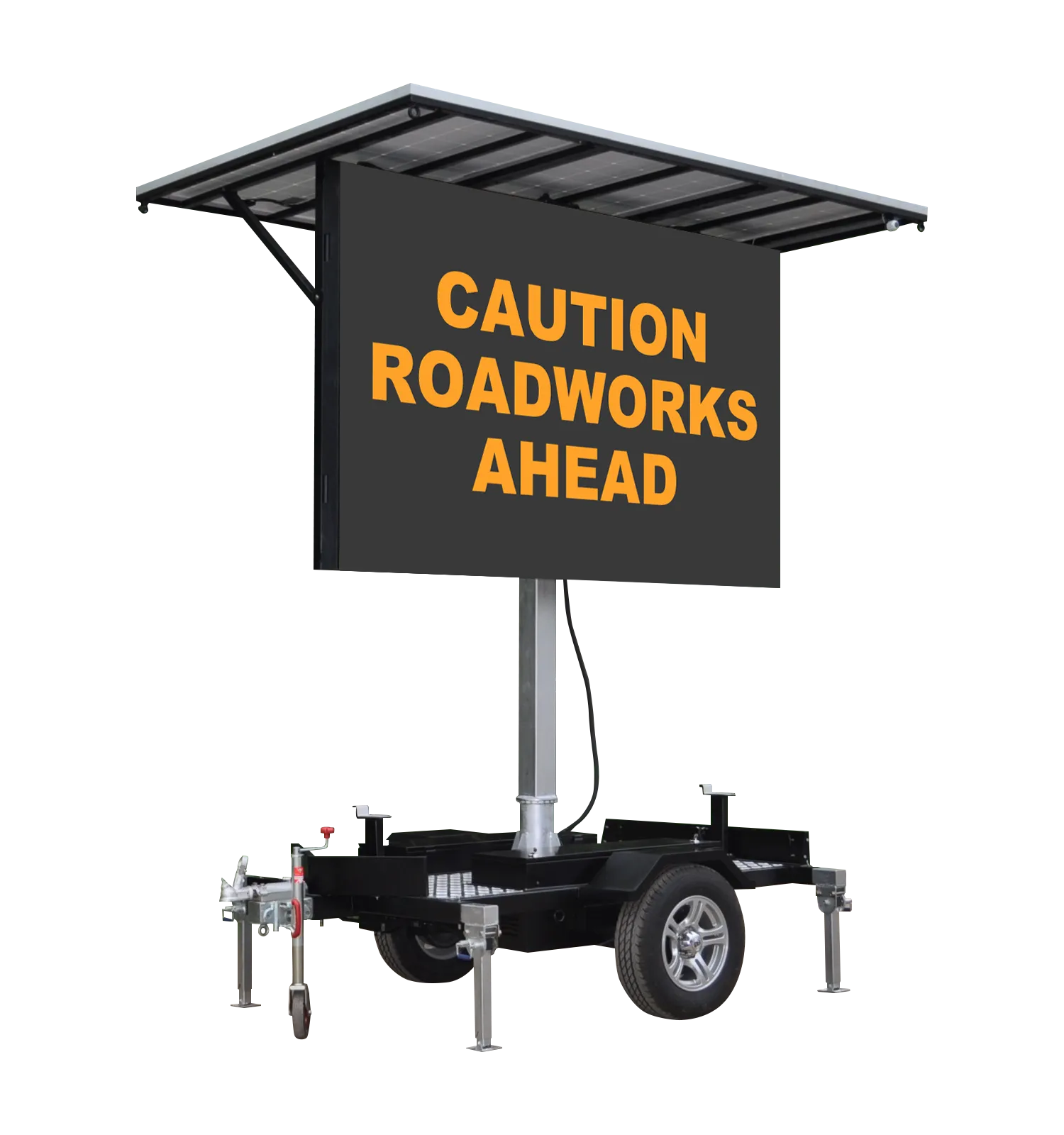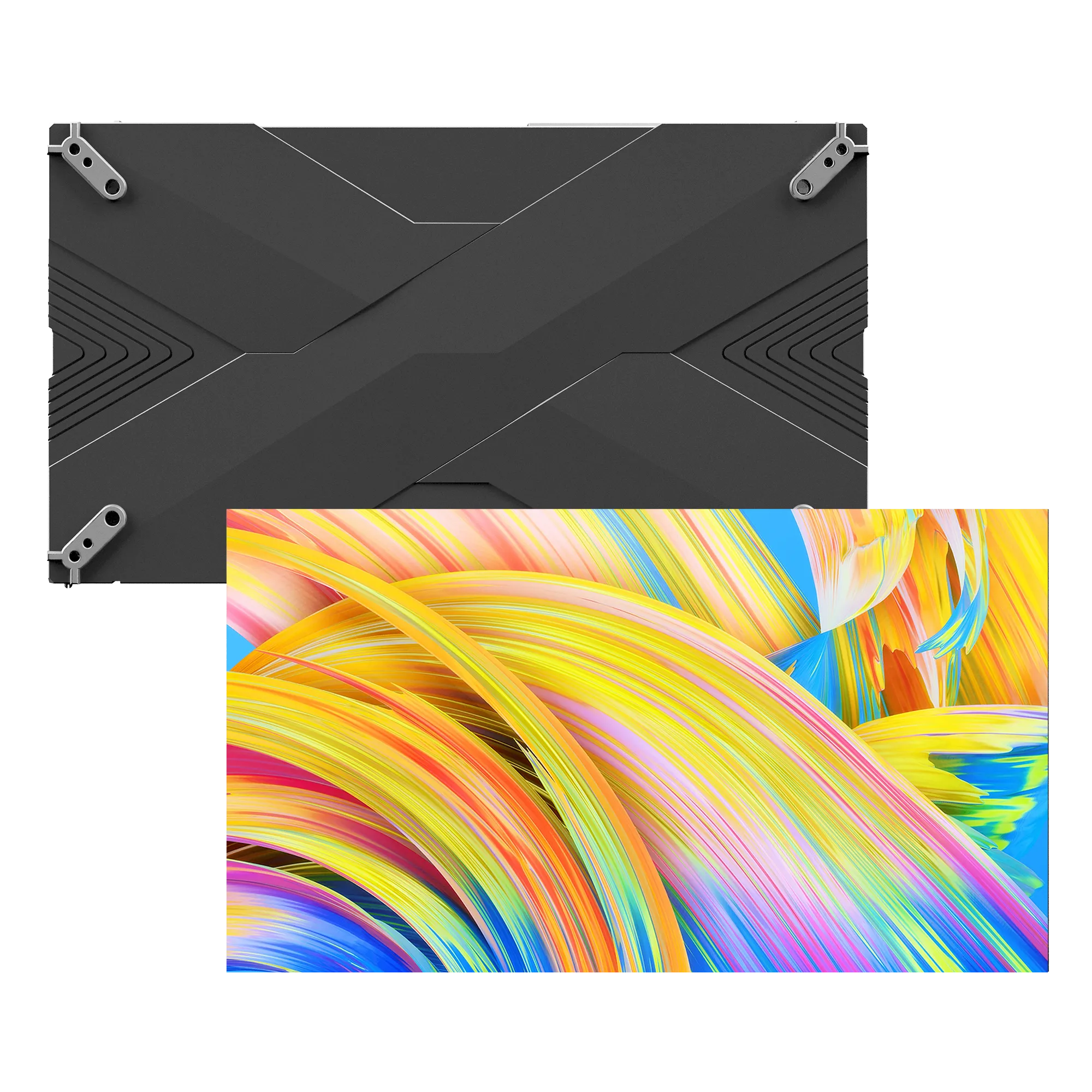
Traditional outdoor advertising relies mainly on printed banners, light boxes, and static frames, occupying urban visual space for decades. But its limitations are becoming increasingly obvious: content cannot be changed once printed, with replacement cycles typically measured in weeks or months; at night it depends on external lighting, greatly reducing visual impact; materials are easily eroded by UV and rain, leading to frequent fading and damage; more importantly, it can only "display" — it cannot "interact" or "iterate."
In an era where information spreads in seconds, the efficiency of static billboards is falling behind the times.
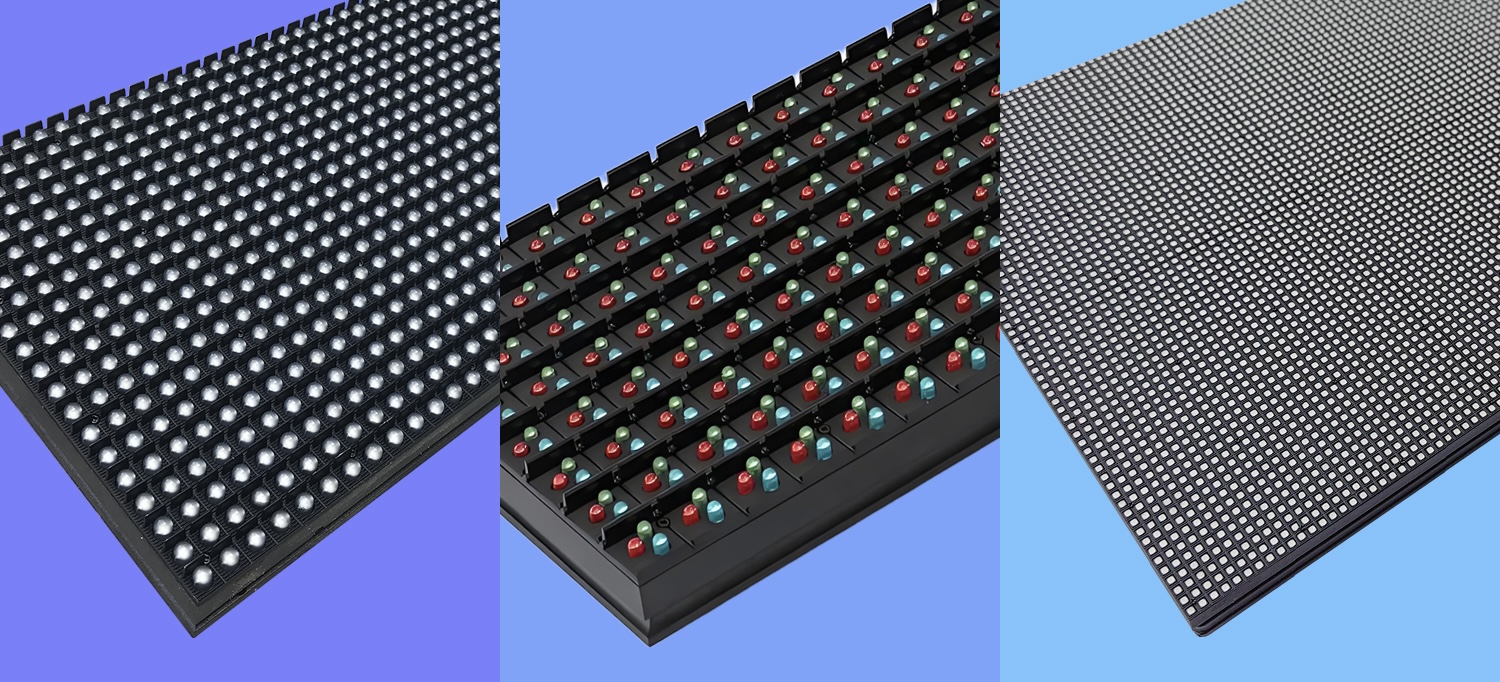
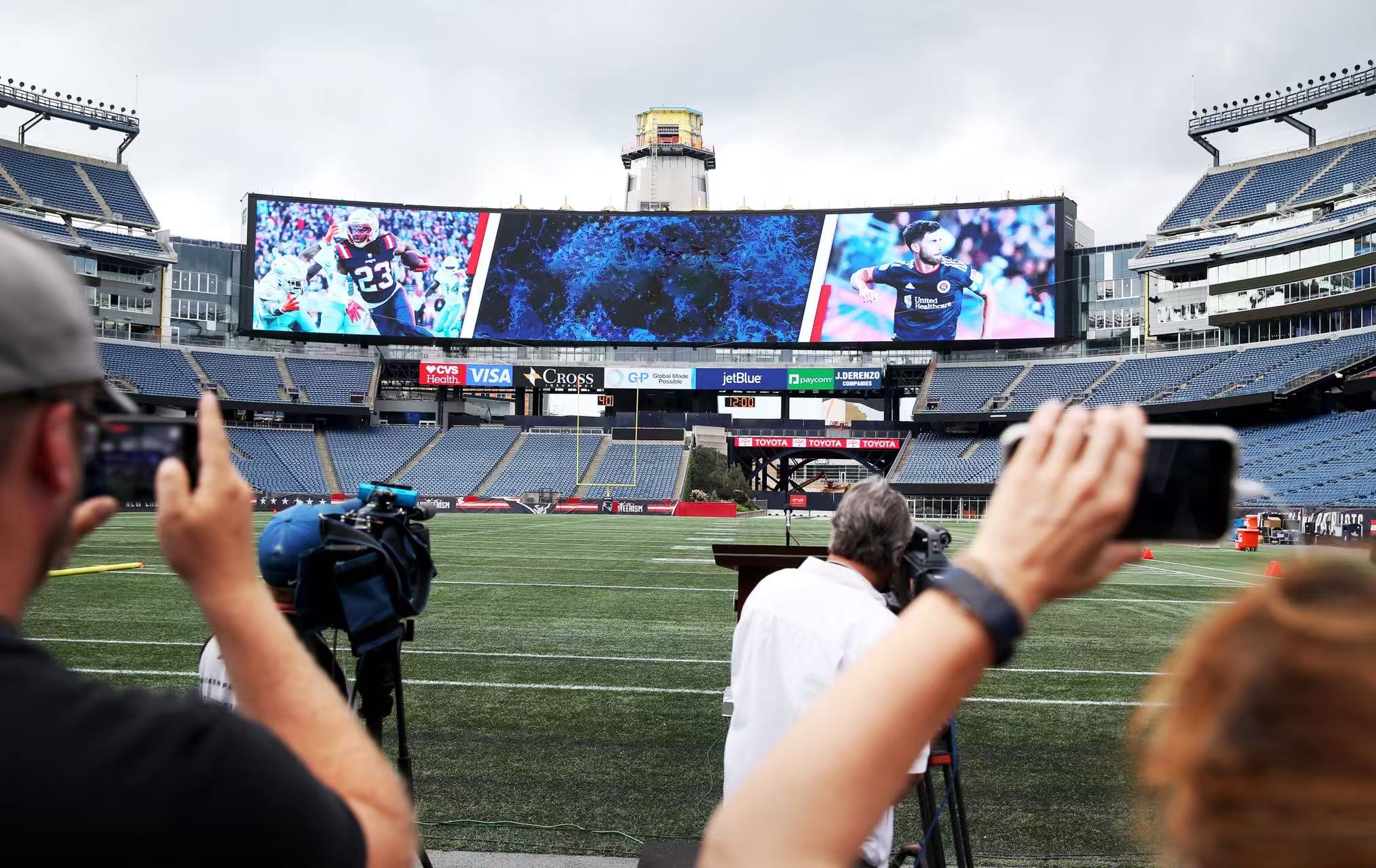
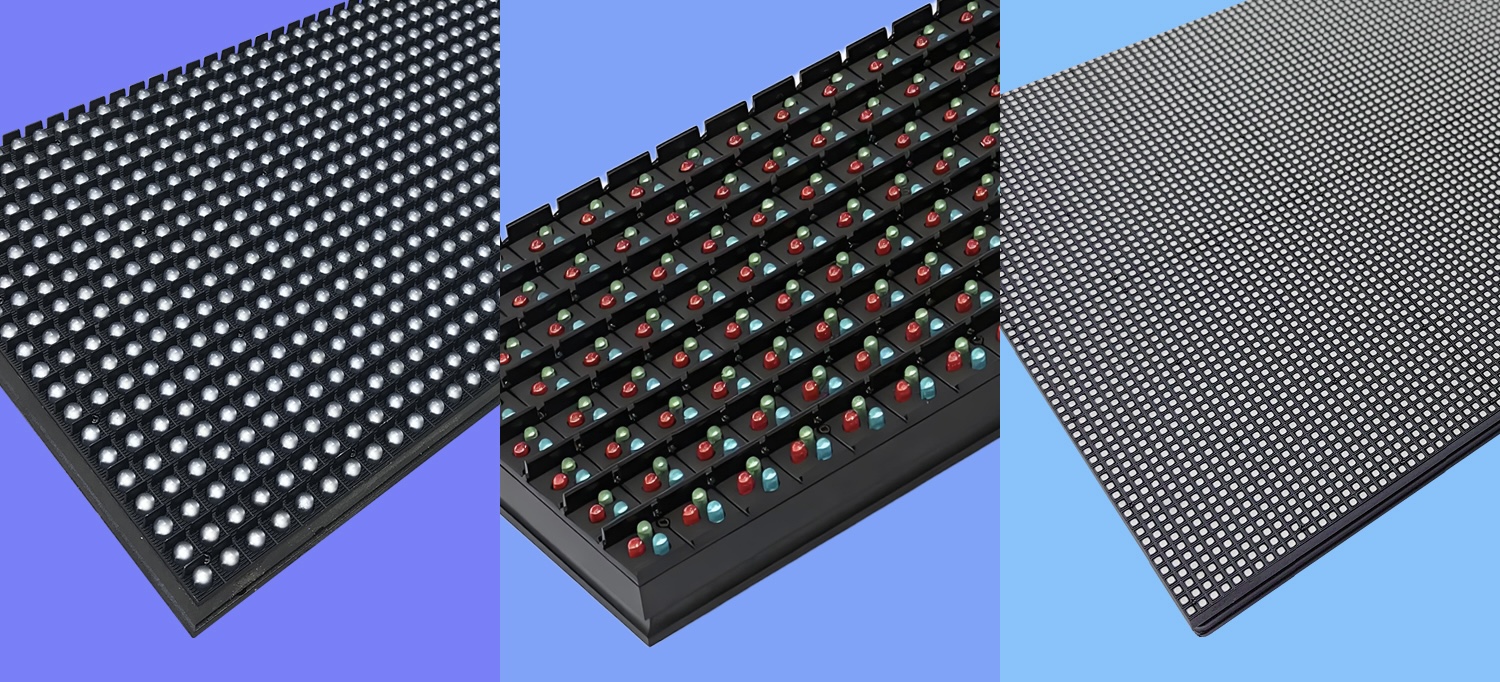
The rise of outdoor LED displays is essentially a systematic response to the limitations of traditional billboards.
The popularity of outdoor LED displays is closely tied to the evolution of urban commercial spaces. Traditional commercial districts were dominated by department stores and street shops, with scattered ad placements and limited formats. Modern commercial complexes, transportation hubs, and cultural tourism districts increasingly emphasize spatial experience and visual consistency.
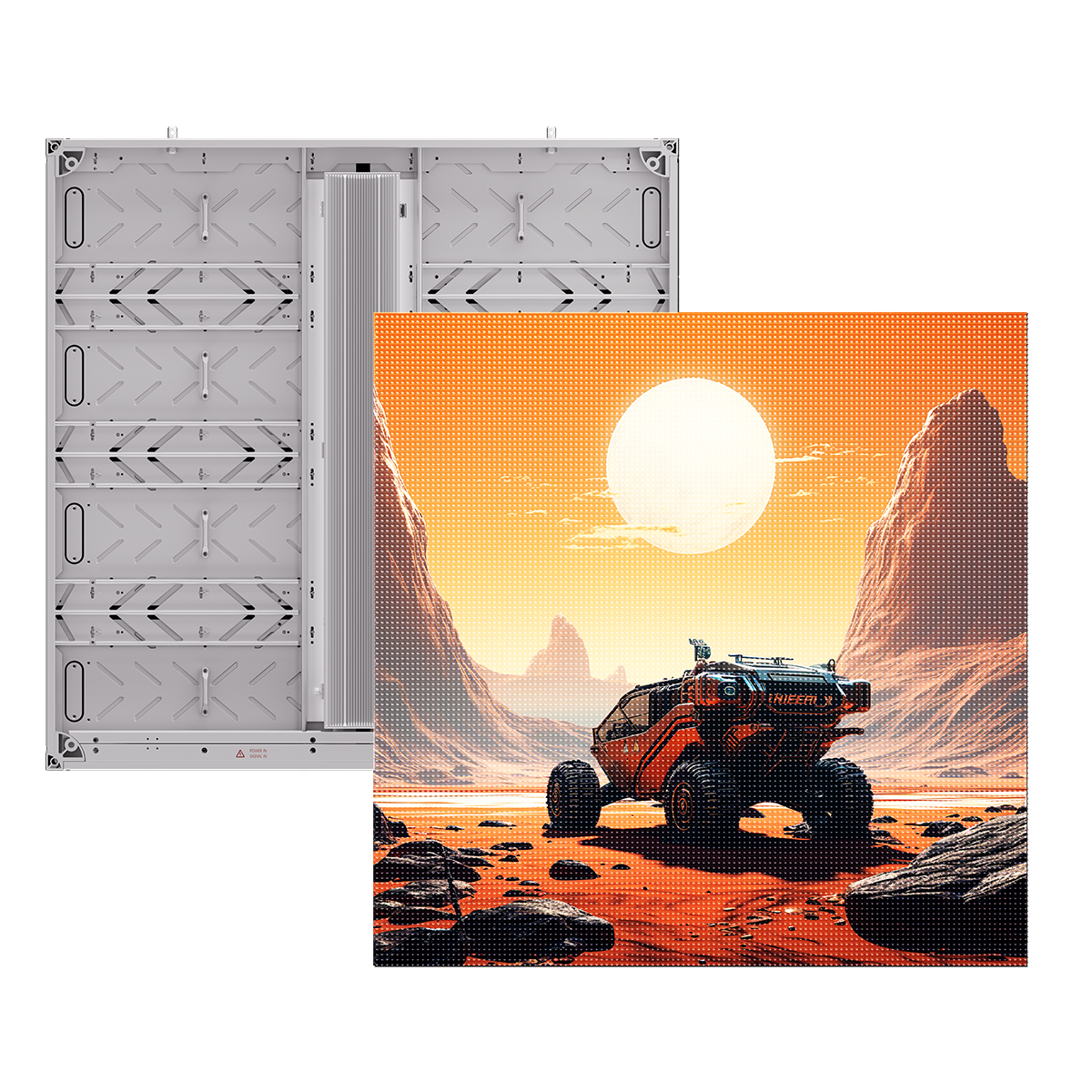
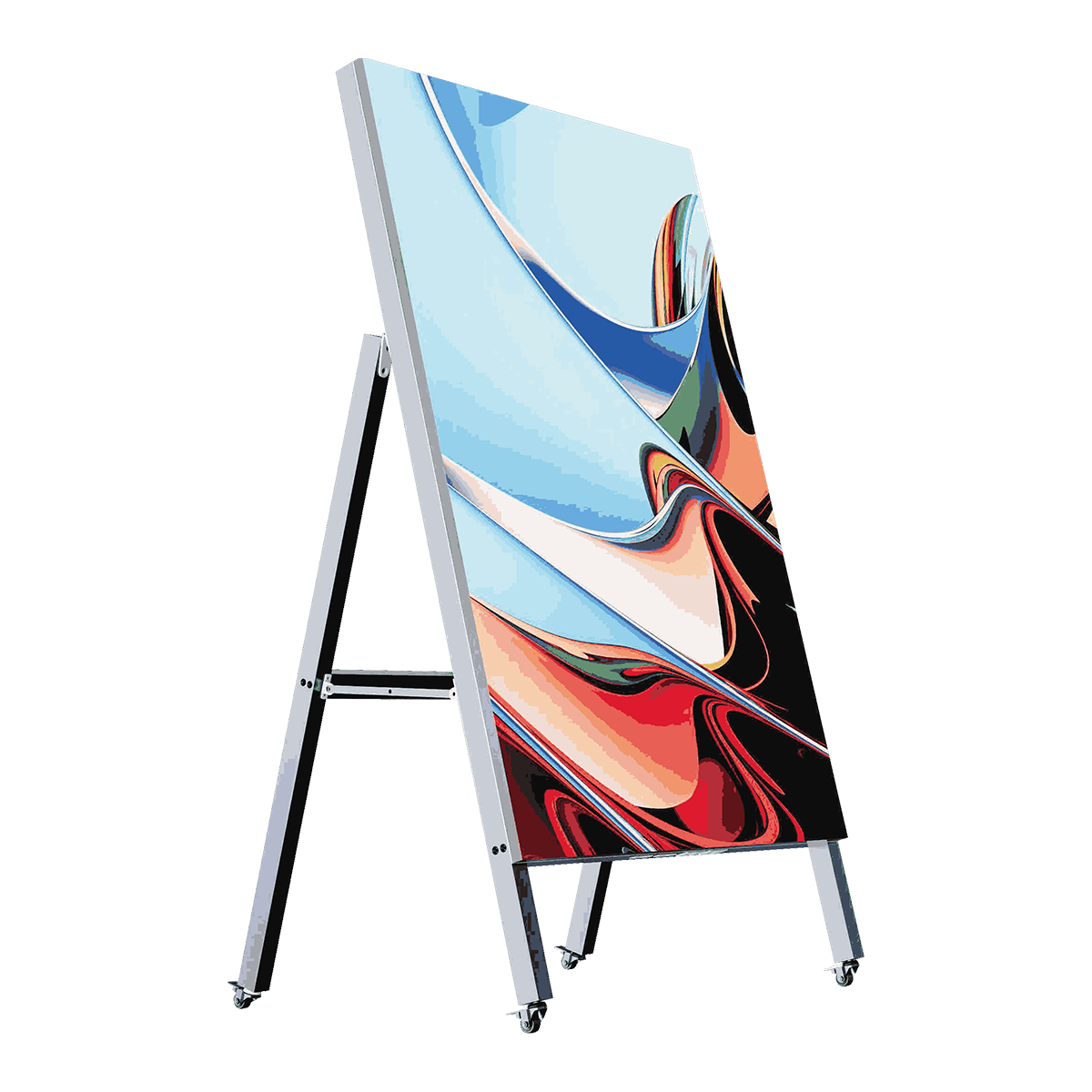
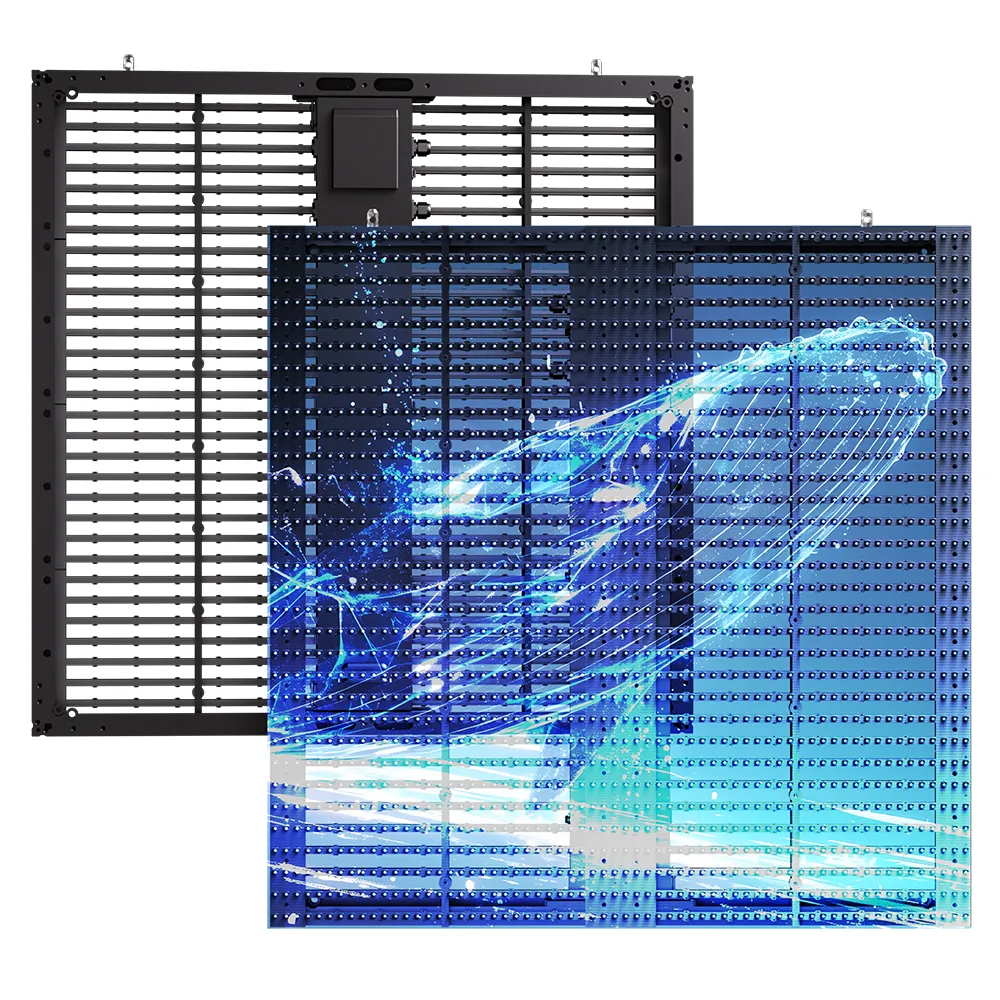
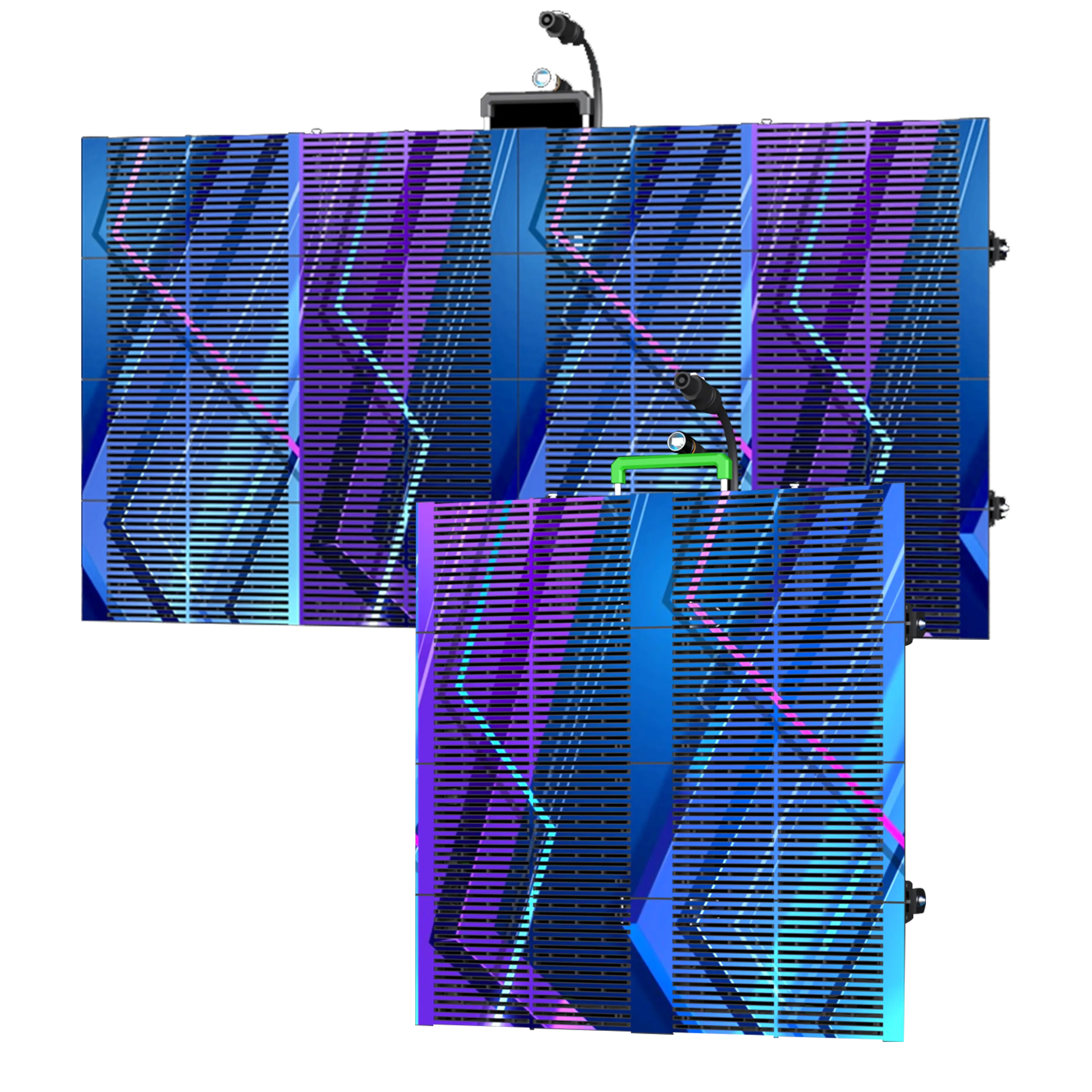
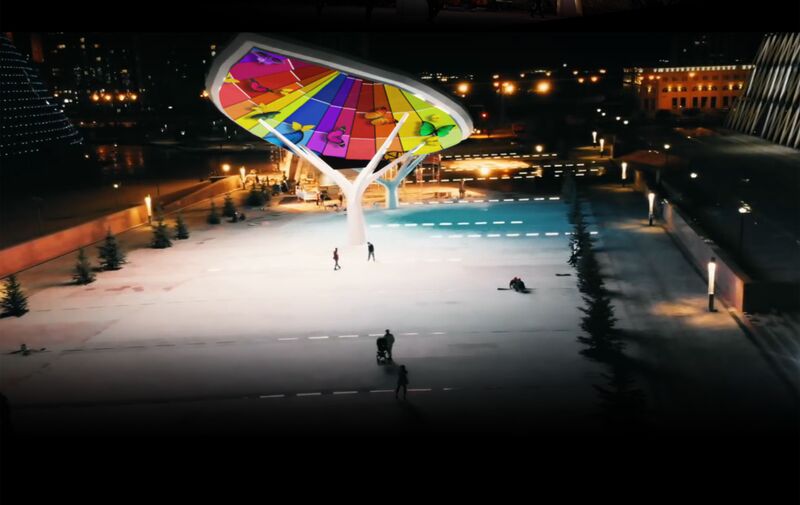
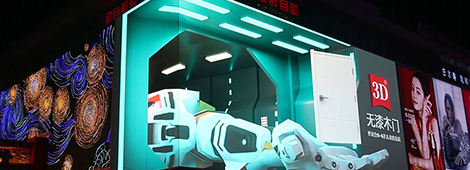
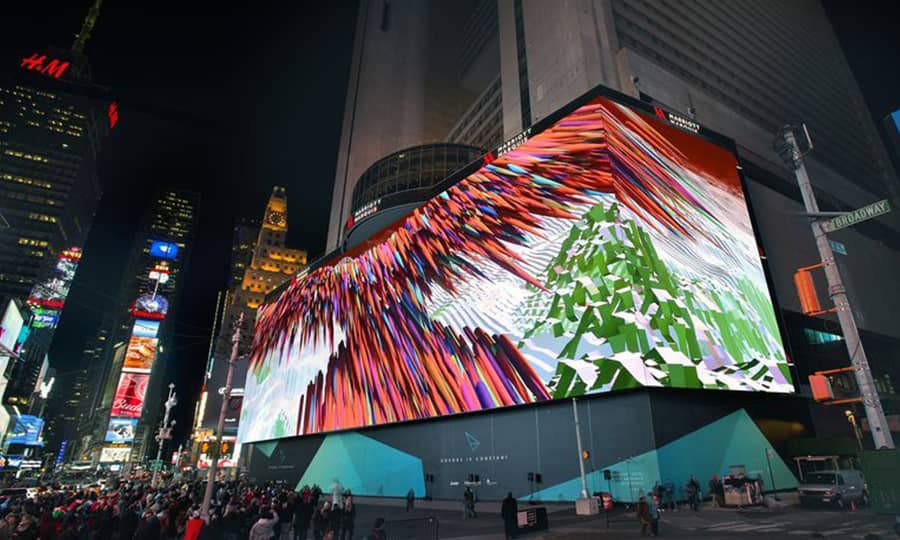
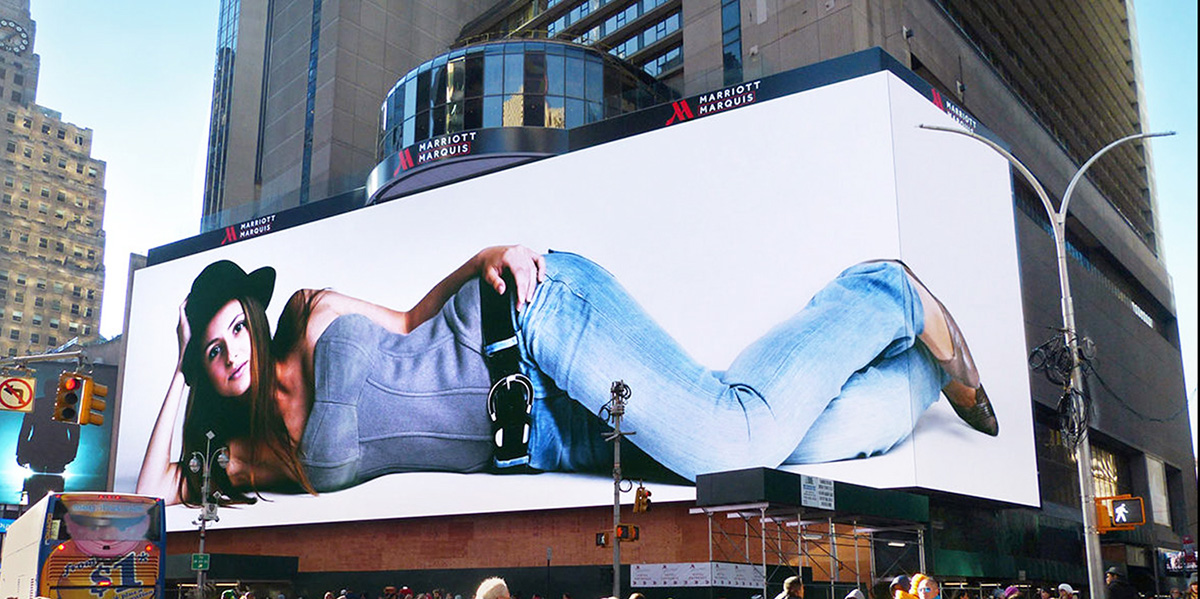
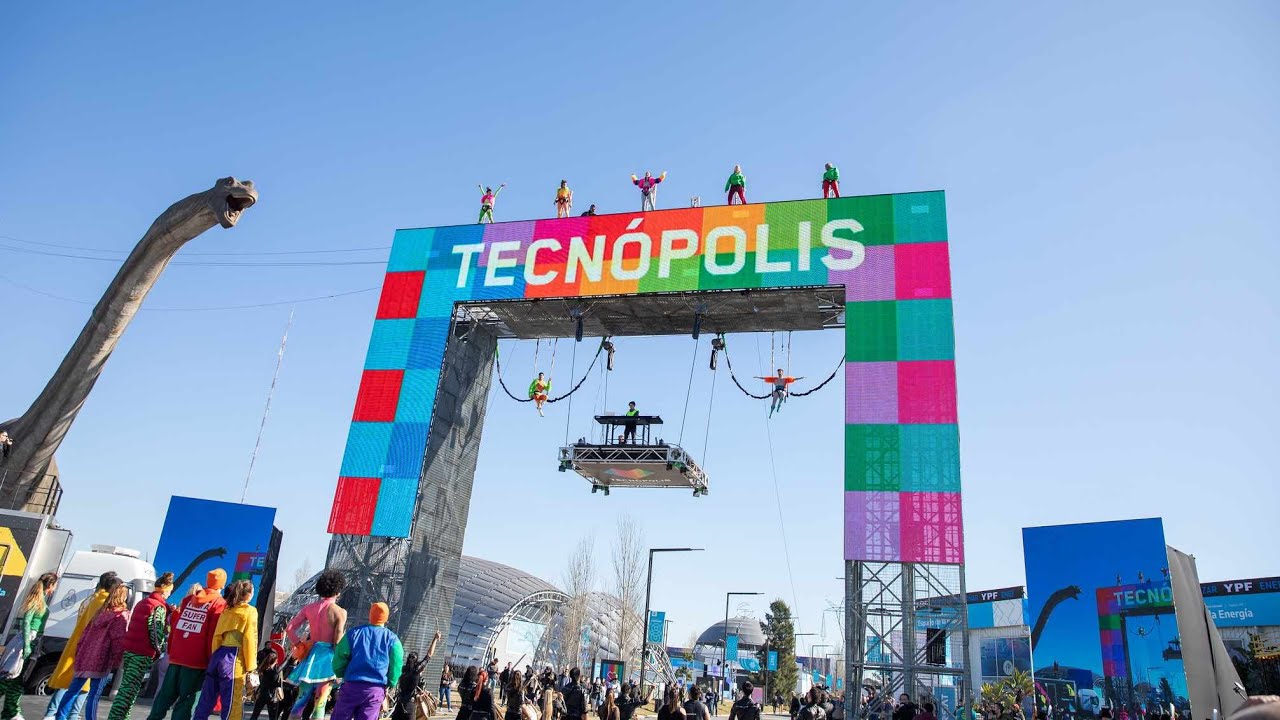
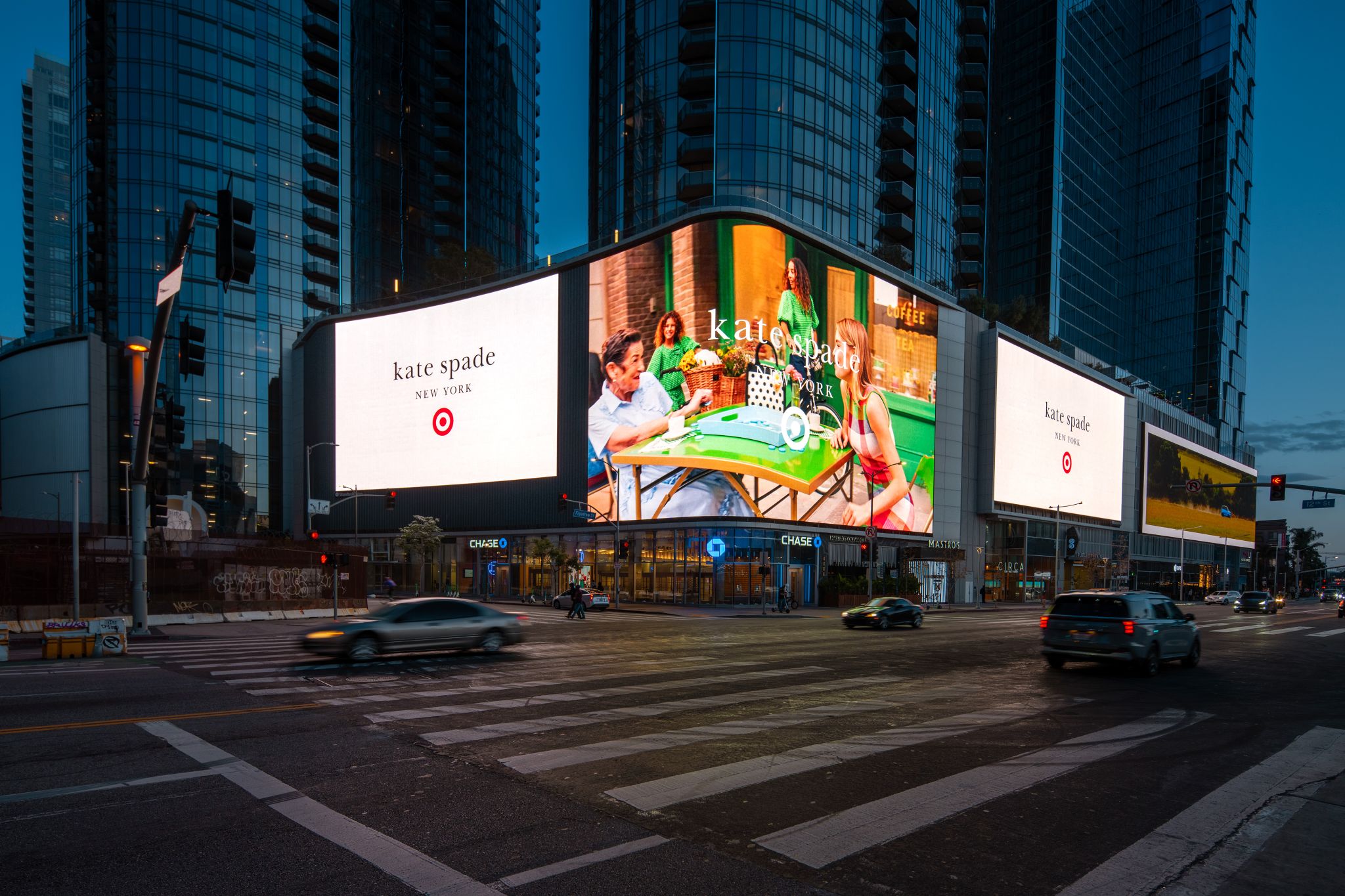
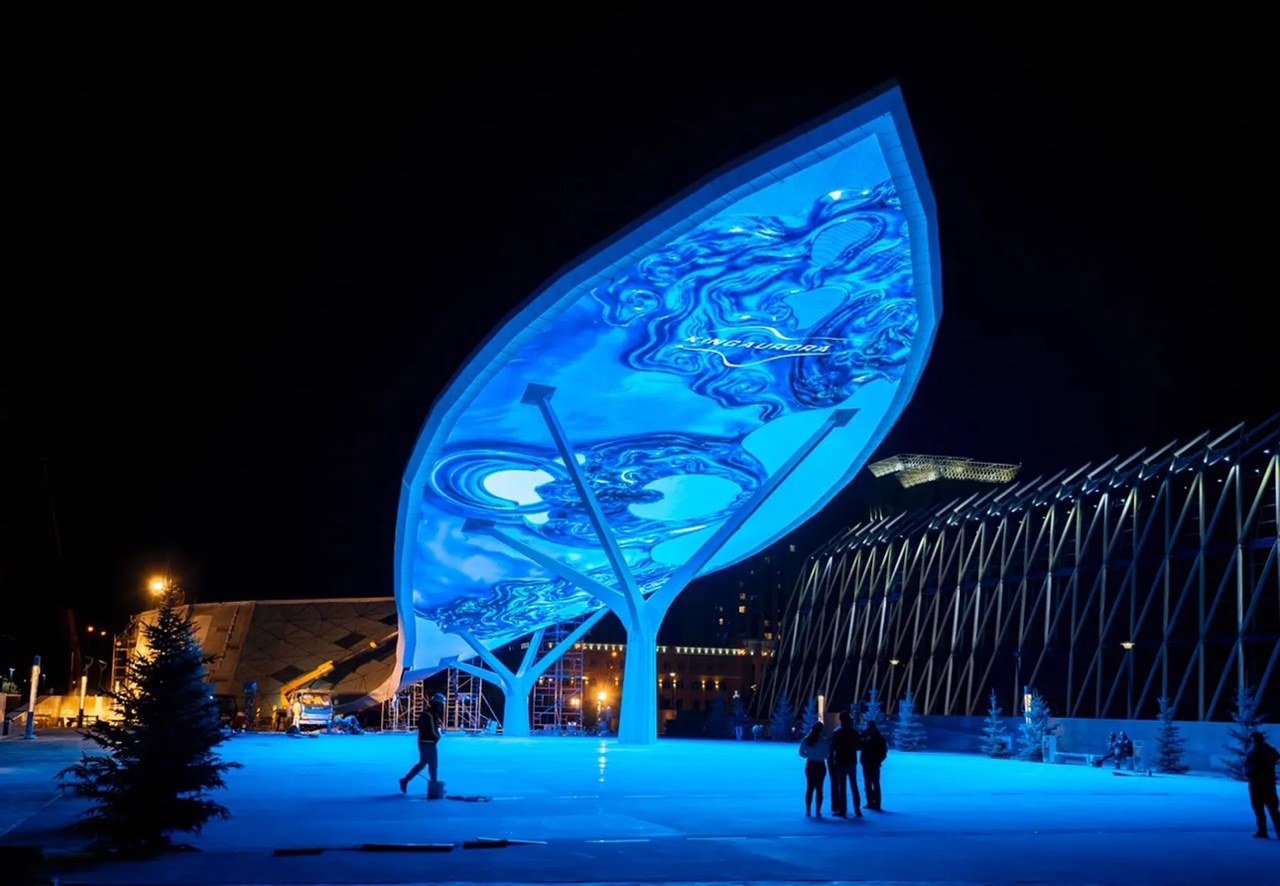
LED displays are no longer just "advertising spaces" but are integrated into overall spatial design — transparent screens on glass facades, giant rooftop canopies, smart advertising machines at street corners, and naked-eye 3D corner screens on landmark buildings. From "attachment" to "architectural language," LED displays are redefining the visual expression of commercial spaces.
Digital Out-of-Home (DOOH) advertising is becoming one of the fastest-growing segments in the global advertising market. The trends are clear:
In this transformation from billboards to urban digital media, Kingaurora has focused on outdoor LED display for over 17 years, providing reliable technology to support every screen.
Kingaurora's value proposition: every screen is not just a display device, but a long-lasting urban digital asset that stands the test of time.
Conclusion
From static to dynamic, from display to interaction, from advertising carrier to architectural language — the popularity of outdoor LED displays is an inevitable outcome driven by technology, commerce, and urban development together.
And what truly determines whether a screen can create long-term value is never just specifications, but its stable performance in wind and sun, year after year.

3th Building,Gaosite Zone Pingshan
New District, Shenzhen


sevice88@kingaurora.com
3th Building,Gaosite Zone Pingshan
New District, Shenzhen