The 2026 FIFA World Cup in the USA, Mexico, and Canada is approaching. This is the first World Cup co-hosted by three nations — 48 teams, 104 matches, on an unprecedented scale. As tens of thousands of fans pour into the stadiums, have you noticed that from the moment you enter, screens are silently playing the role of "invisible conductors": telling you where to go, the score, who's been substituted, and even the VAR review seconds.
A modern football match is far more than 22 players chasing a ball. The display system behind it is a sophisticated information war. So what types of screens does a professional stadium need? And which screen technology suits each position?
The LED perimeter screens along the pitch edge are frequently seen in TV broadcasts, making them prime real estate for sponsor brand exposure. These screens demand ultra-high refresh rates — no scan lines when the camera pans. They must also withstand player collisions, ball strikes, and even climbing during celebrations.
Recommended Solution: High-refresh-rate (3840Hz+) SMD or COB screens — thin, detailed, with reinforced face protection.
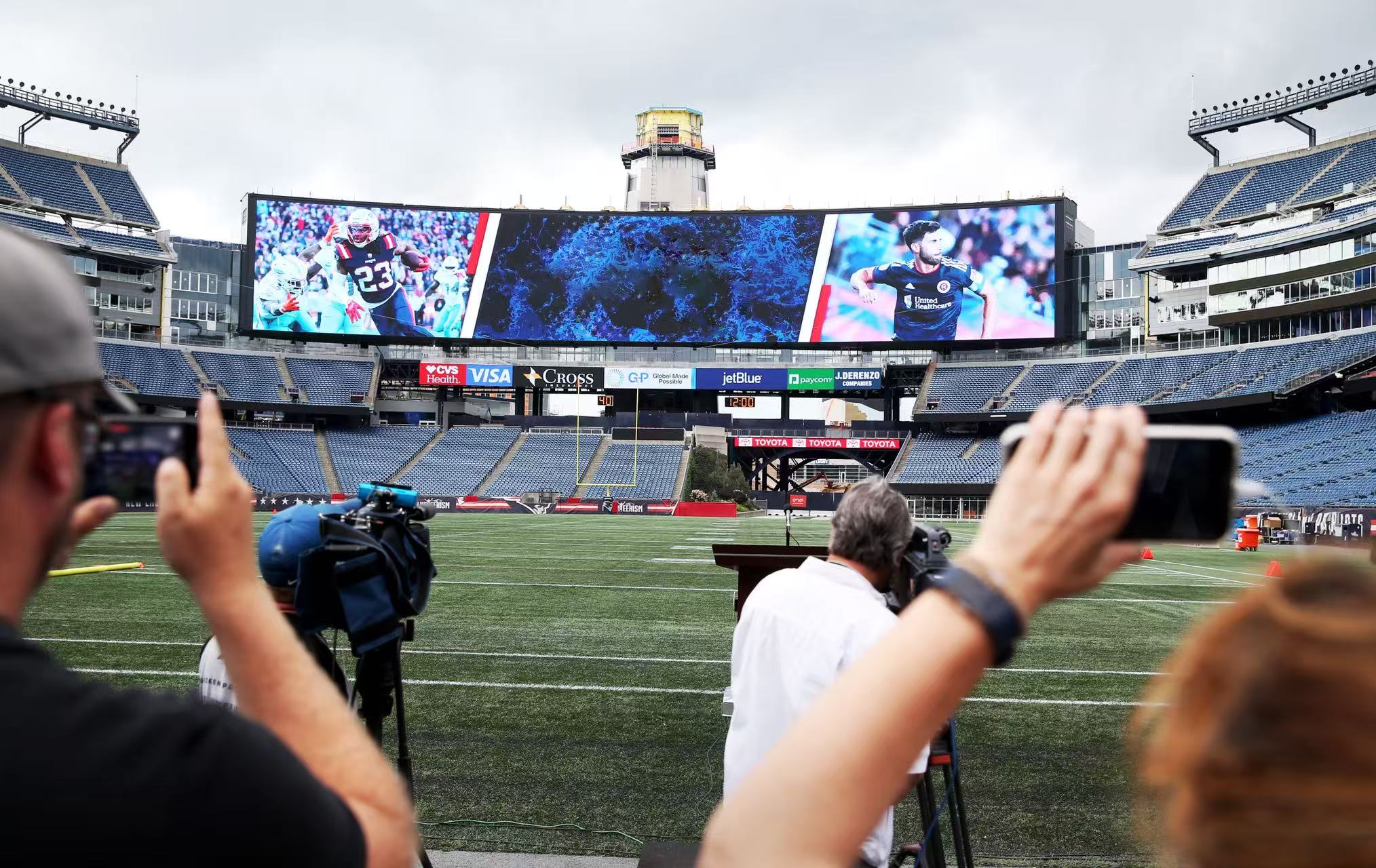
The giant scoreboards suspended above both ends of the pitch are the focal point for all fans. They must update scores in real time, replay highlights, and even show VAR decisions. These screens demand high brightness, color consistency, and long-term reliability.
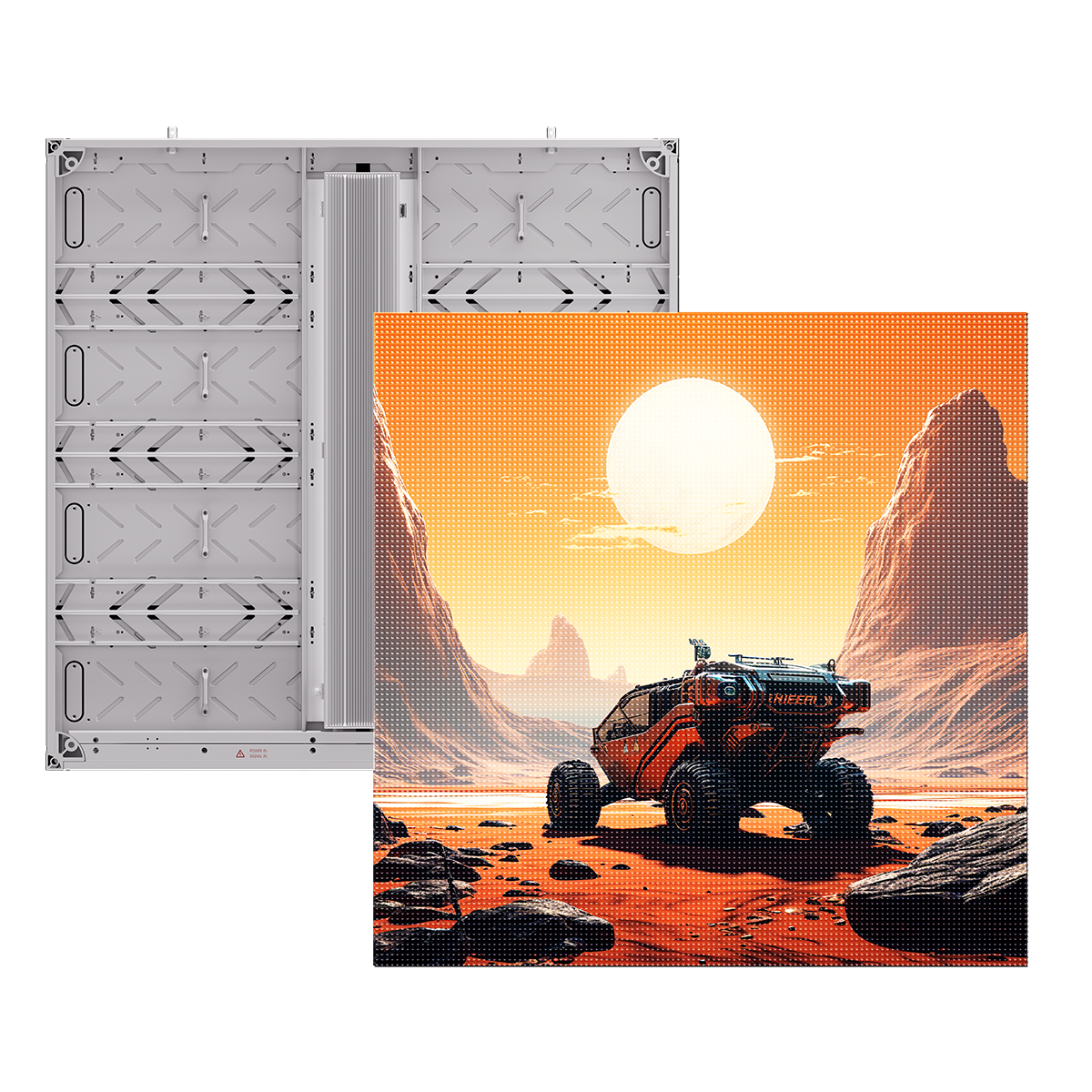
The Perfect Position for Kingaurora A Pro Series!
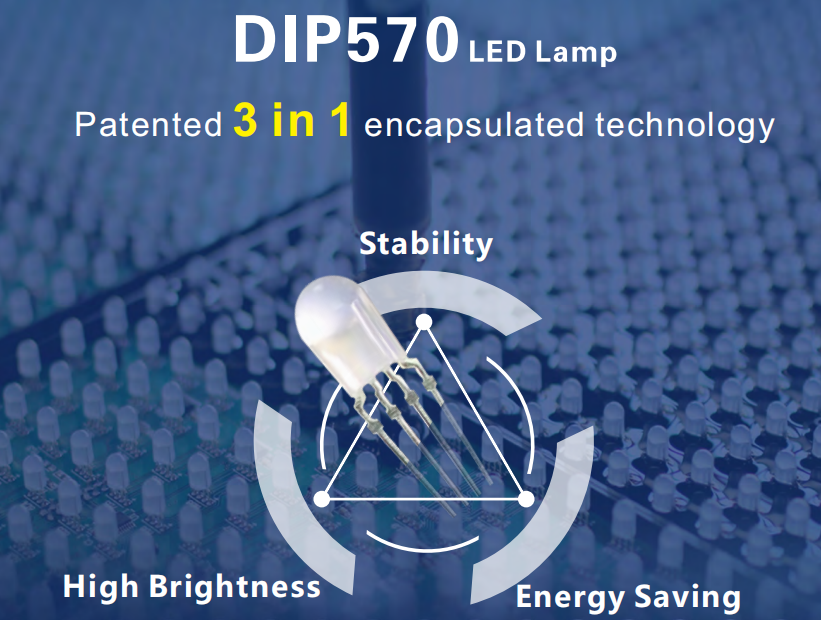
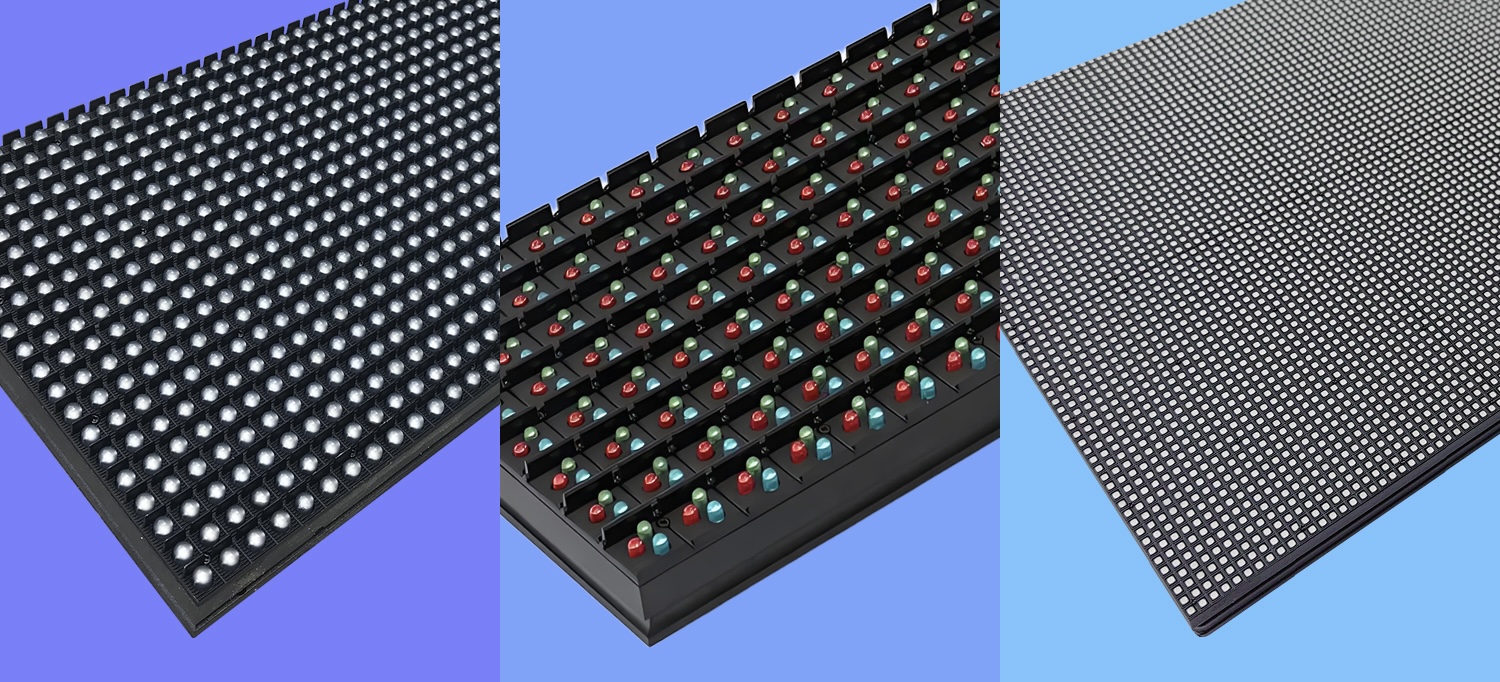
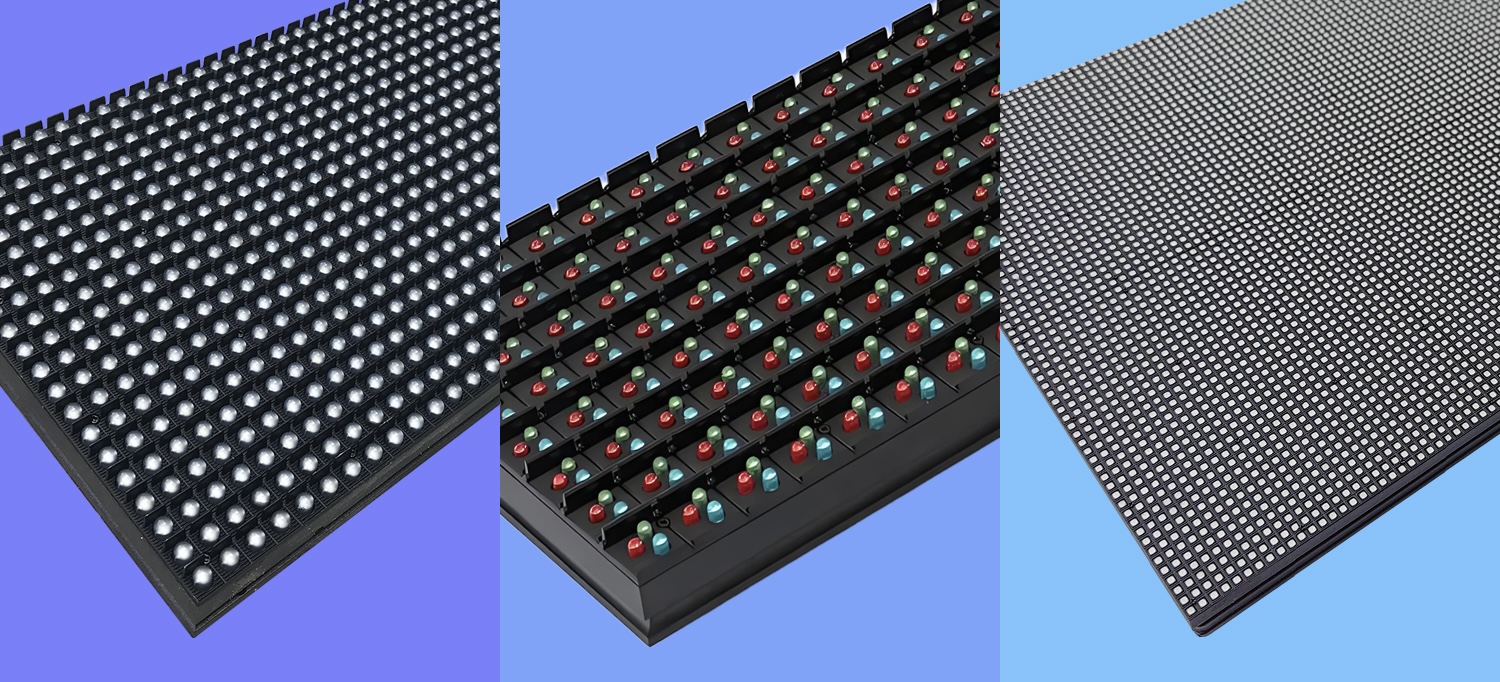
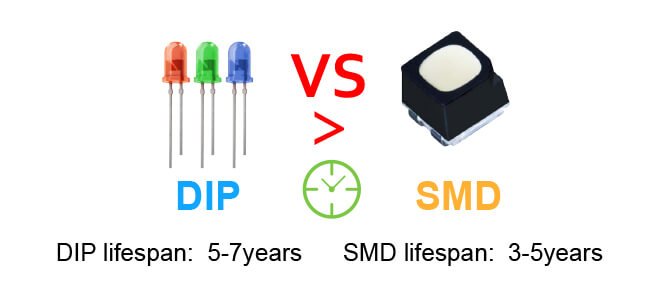
· Ultra-High Brightness: DIP570 lamp beads, 8000-10000nit — clear even in strong sunlight (Mexico, etc.)
· True Energy Savings: Average power only 125W/㎡, saving over 30%. A 300㎡ scoreboard saves ¥2 million in electricity over 10 years
· Extreme Climate Proven: Stable from -40℃ to 70℃, IP65 protection, UV and salt-spray resistant
· 8-10 Year Lifespan: Less than 15% brightness decay within 5 years
Injury time, 30-second attack timers, etc., require dedicated timer displays with extremely high response speed, real-time accuracy, and absolute reliability.
Recommended Solution: Custom high-brightness digital tubes or small LED modules, independent control system directly connected to the referee timing system.
Stadium Display Quick Reference
• Perimeter Screens → High-refresh SMD/COB (3840Hz+, impact-resistant)
• Scoreboards → Kingaurora A Pro Series (DIP570, 8000-10000nit, IP65)
• Timer Screens → High-brightness digital tubes / small modules
The Kingaurora Stage: The Stadium's "Center Position"
Among all stadium displays, the scoreboard is the undeniable "Center Position" — it's the farthest from the audience, watched the longest, and demands the highest brightness and reliability. This is where Kingaurora A Pro Series excels and belongs.
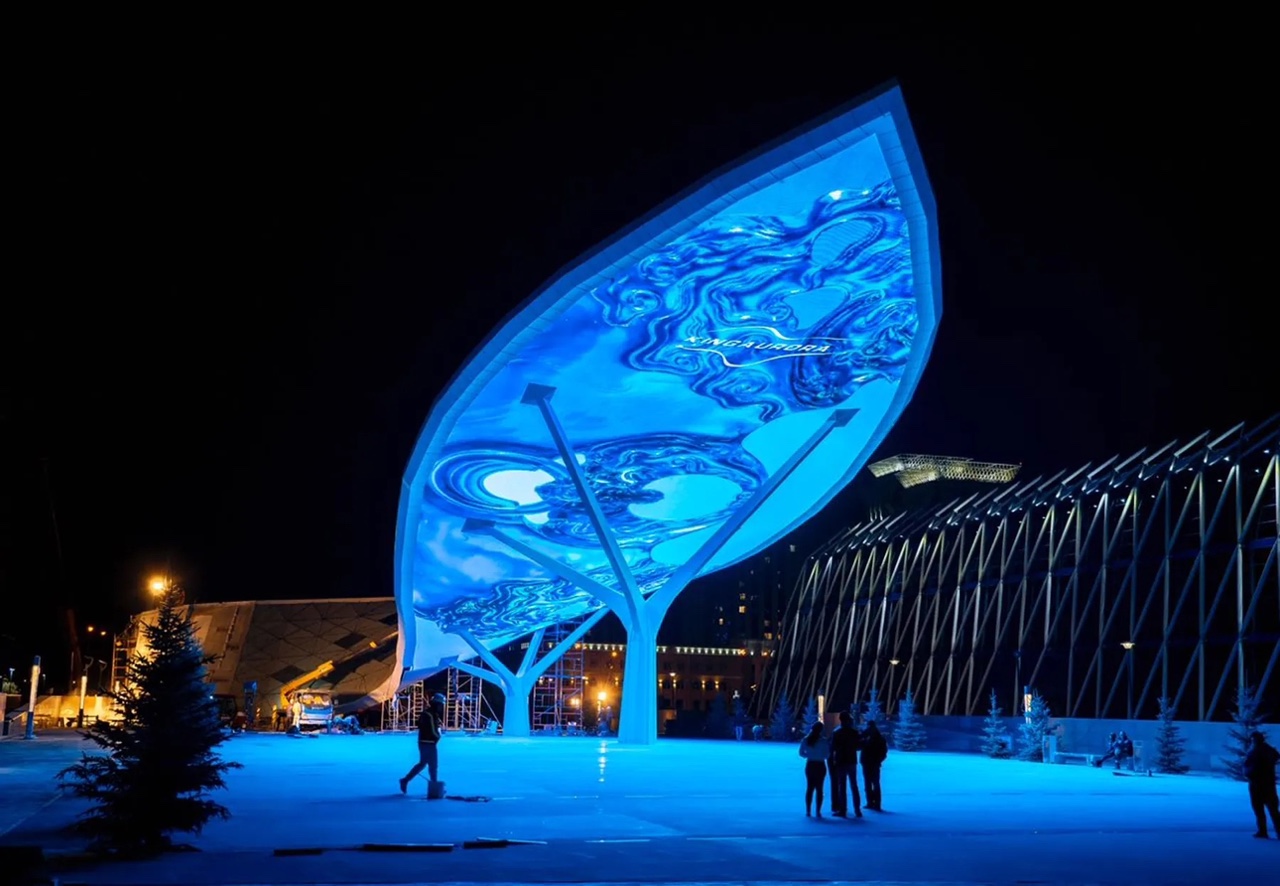
With DIP570 lamp beads delivering 8000-10000nit brightness, wide-temperature stable operation, IP65 protection, and an 8-10 year lifespan, Kingaurora outdoor LED screens are becoming the preferred choice for professional stadium scoreboards worldwide.
Choosing the right screen makes matches more exciting, operations more efficient, and fan experiences better. Kingaurora outdoor LED — born for the stadium "Center Position."

3th Building,Gaosite Zone Pingshan
New District, Shenzhen


sevice88@kingaurora.com
3th Building,Gaosite Zone Pingshan
New District, Shenzhen