Outdoor LED Mesh Screen Lamp Bead Selection Guide
With the evolution of outdoor LED display technology, the three most common lamp bead solutions for mesh screens are SMD, DIP346, and DIP570. Many buyers face the same question: Which one should I choose — SMD, DIP346, or DIP570? To answer this, we must first understand their fundamental differences.
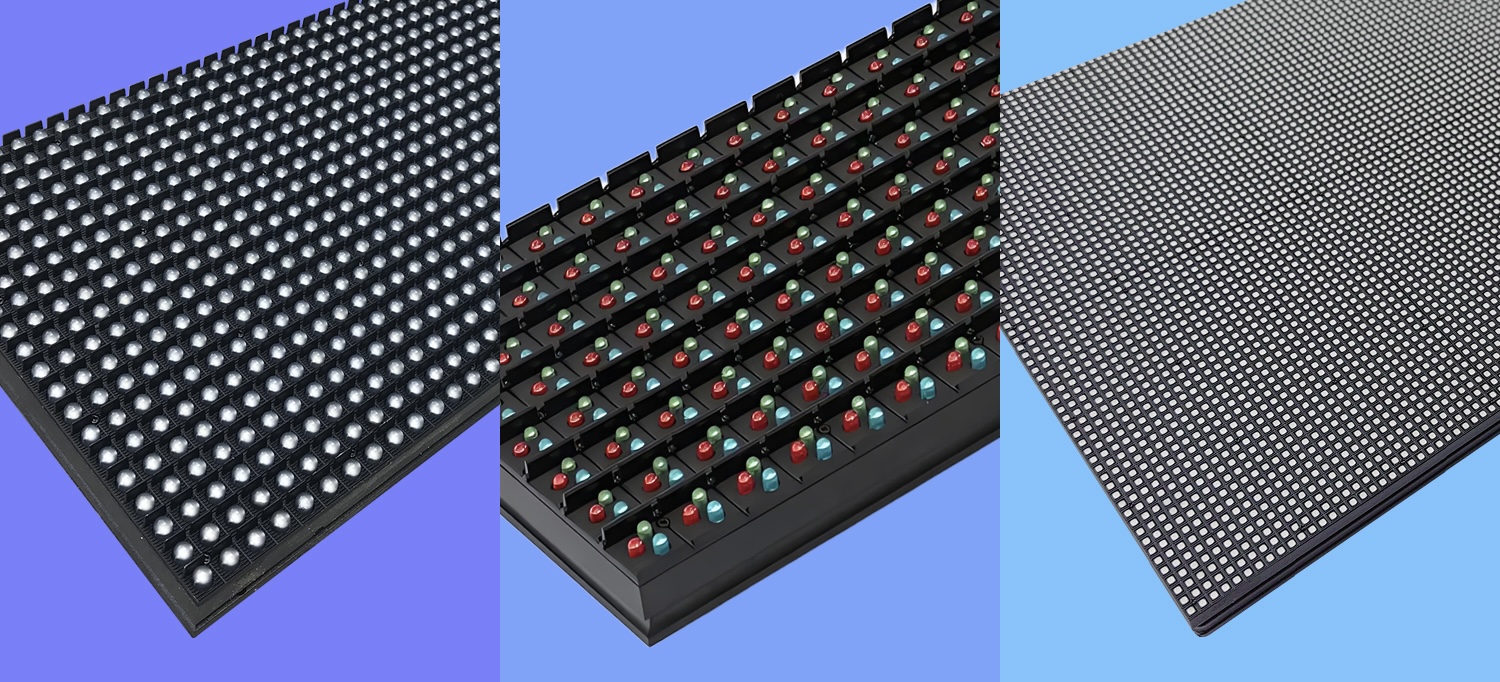
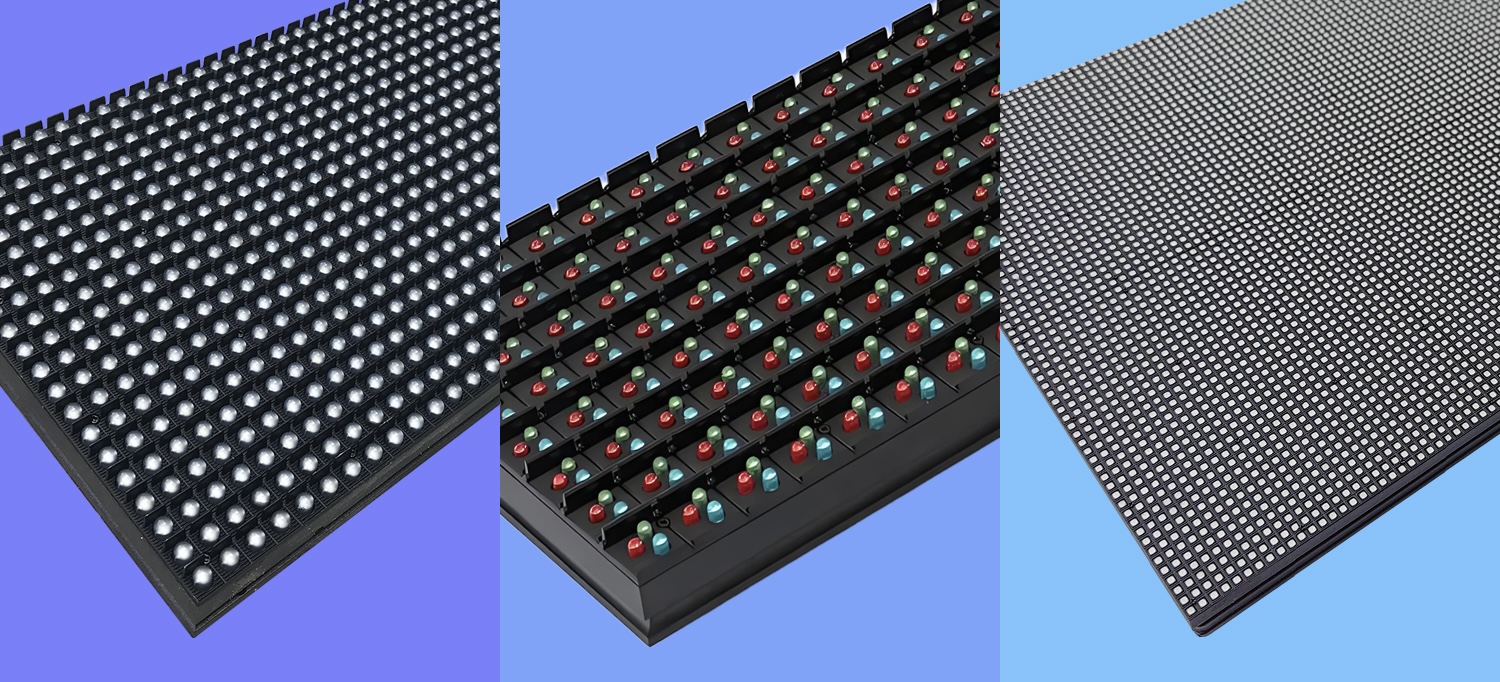
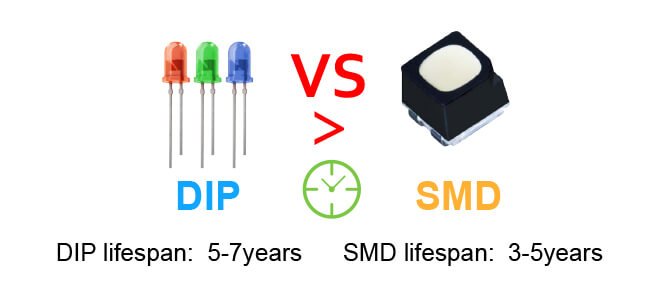
DIP (Dual In-line Package) and SMD (Surface Mounted Device) are two distinct LED packaging technologies.
SMD Lamp Beads 3-in-1
RGB chips integrated in a single package
Pros Wider viewing angle · Richer colors · Better for fine pitch · Higher resolution
Cons Weak UV resistance · Lower stability in heat · Encapsulation aging · Weaker waterproofing · Higher energy consumption at high brightness
Best for
P6 & below outdoor displaysIndoor displaysClose viewing
DIP Lamp Beads Discrete
RGB separately packaged, independent structure
Pros Higher brightness · Better luminous efficacy · More energy-efficient · Stronger UV resistance · Better waterproofing · Longer lifespan
Cons Slightly narrower viewing angle · Not suitable for ultra-fine pitch · Less refined image quality than SMD
Best for
P8+ outdoor displaysOutdoor mesh screensHigh-brightness advertisingExtreme climate zones
Although both are DIP-based, DIP346 and DIP570 represent two distinct generations of products.
DIP346 Legacy
Widely used early-generation outdoor lamp bead
Pros Mature technology · Lower cost · Better outdoor stability than SMD
Cons Smaller light-emitting area · Limited brightness upgrade · Lower efficacy · Higher operating cost for large projects
Increasing energy demands make DIP346 less viable for large DOOH projects
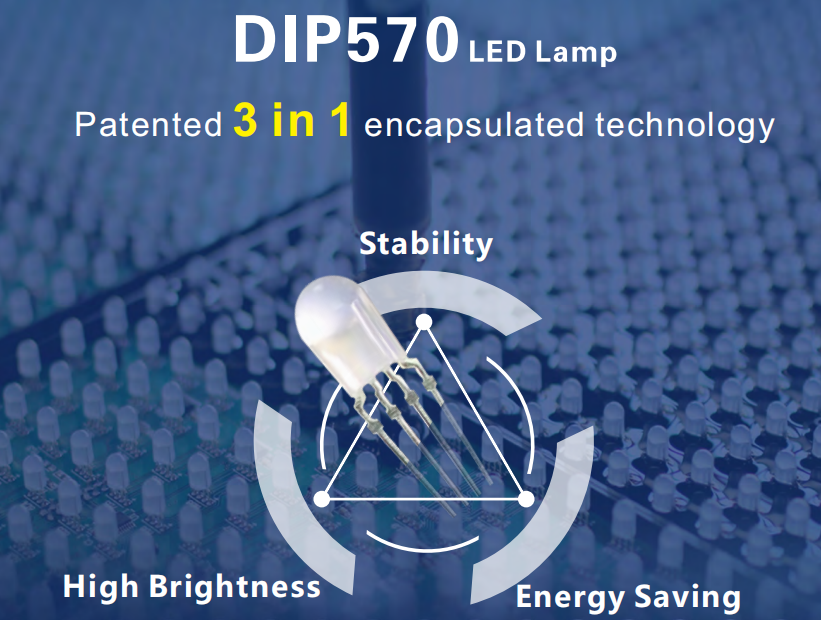
DIP570 Kingaurora Next-Gen
Kingaurora's self-developed next-gen outdoor LED packaging
Pros Larger light-emitting area · Lower power at same brightness · 8000-10000nit ultra-high brightness · Better heat dissipation · Stronger UV resistance · Longer lifespan
Limitations Higher manufacturing cost than DIP346 · Mainly for P8+ products
For mesh screens, these limitations are rarely a constraint
|
Parameter |
SMD |
DIP346 |
DIP570 |
|
Outdoor Brightness |
*** |
**** |
***** |
|
Energy Efficiency |
*** |
**** |
***** |
|
Waterproofing |
*** |
***** |
***** |
|
UV Resistance |
*** |
***** |
***** |
|
Heat Dissipation |
*** |
**** |
***** |
|
Lifespan |
*** |
**** |
***** |
|
Maintenance Cost |
*** |
**** |
***** |
|
Mesh Screen Suitability |
*** |
**** |
**** |
Overall Performance Summary:
SMD — Best for fine-pitch displays; DIP346 — Suitable for traditional outdoor large screens; DIP570 — The optimal choice for next-gen energy-efficient mesh screens.
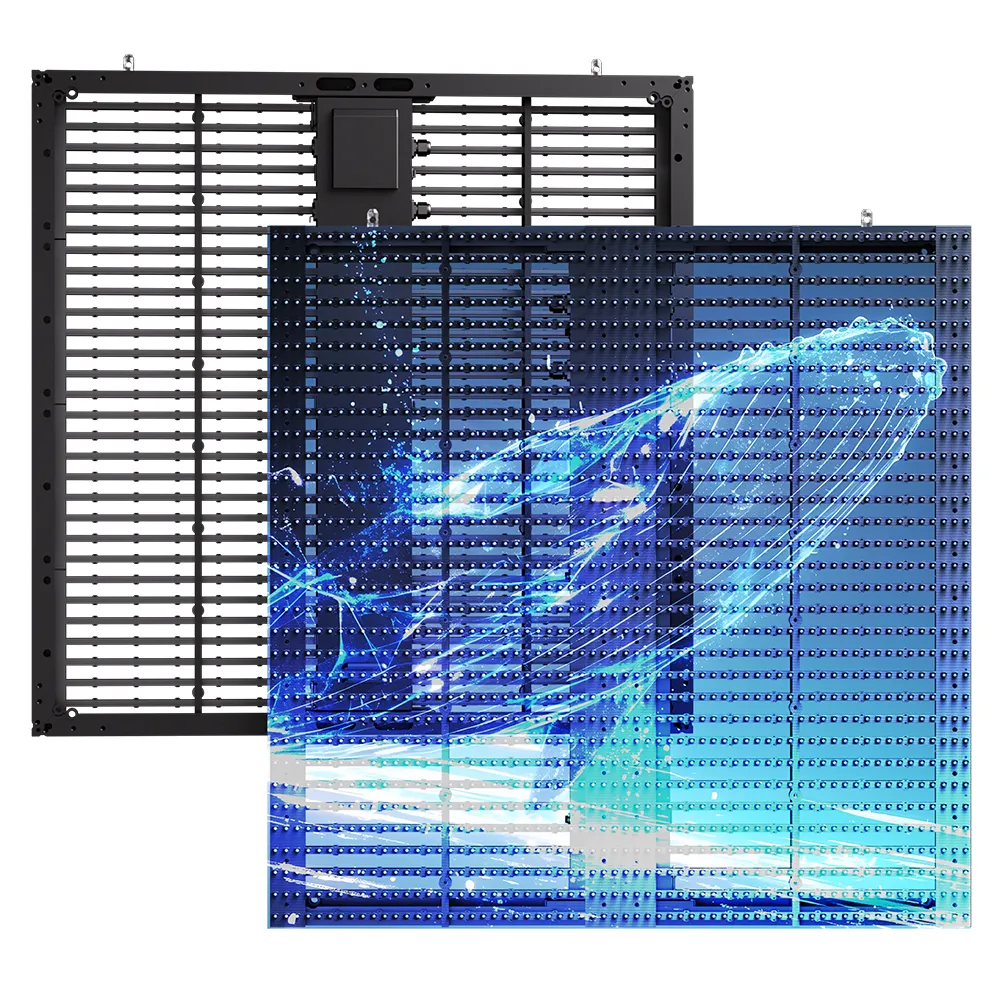
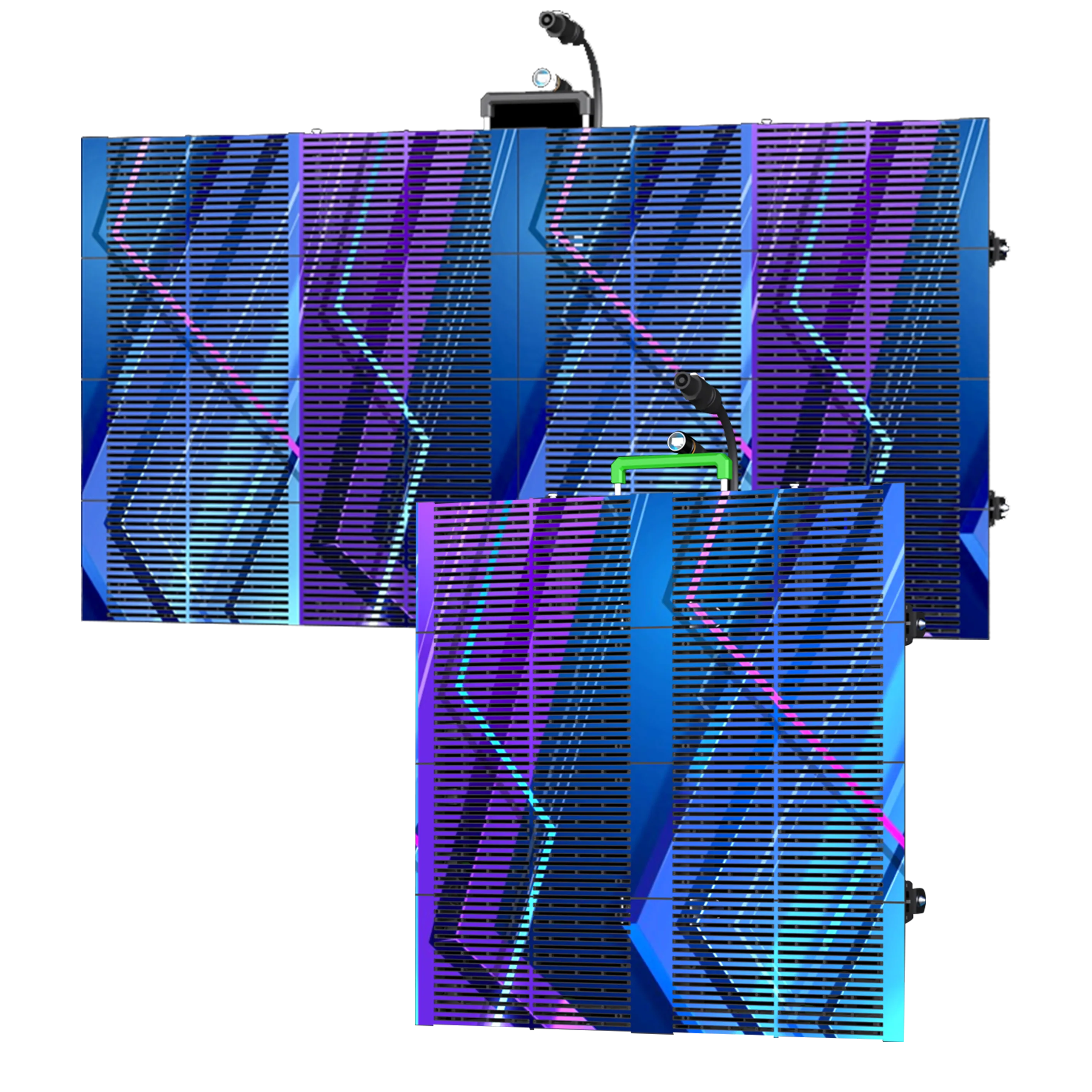
Mesh screens typically feature: high installation height, large display area, long operating hours, energy efficiency as a priority, and high transparency — all of which align perfectly with DIP570's strengths.
1Higher Brightness — DIP570 delivers 8000-10000nit output, ensuring 24/7 visibility even under direct sunlight.
2Lower Power Consumption — Higher luminous efficacy reduces energy costs significantly for large projects.
3Better for High-Temperature Environments — Superior heat dissipation ensures stable operation at 50°C+.
4Longer Lifespan — Enhanced protection and lower lumen depreciation drastically reduce high-altitude maintenance frequency.
Conclusion
If your project demands: High brightness Lower operating costs Strong environmental resilience Long lifespan Large-scale outdoor advertising
Among SMD, DIP346, and DIP570, DIP570 is clearly the more competitive choice for today's outdoor mesh screens.
For outdoor media projects that prioritize long-term stable operation, DIP570 is more than just a lamp bead — it's a comprehensive outdoor display solution that balances brightness, energy efficiency, and reliability.

3th Building,Gaosite Zone Pingshan
New District, Shenzhen


sevice88@kingaurora.com
3th Building,Gaosite Zone Pingshan
New District, Shenzhen