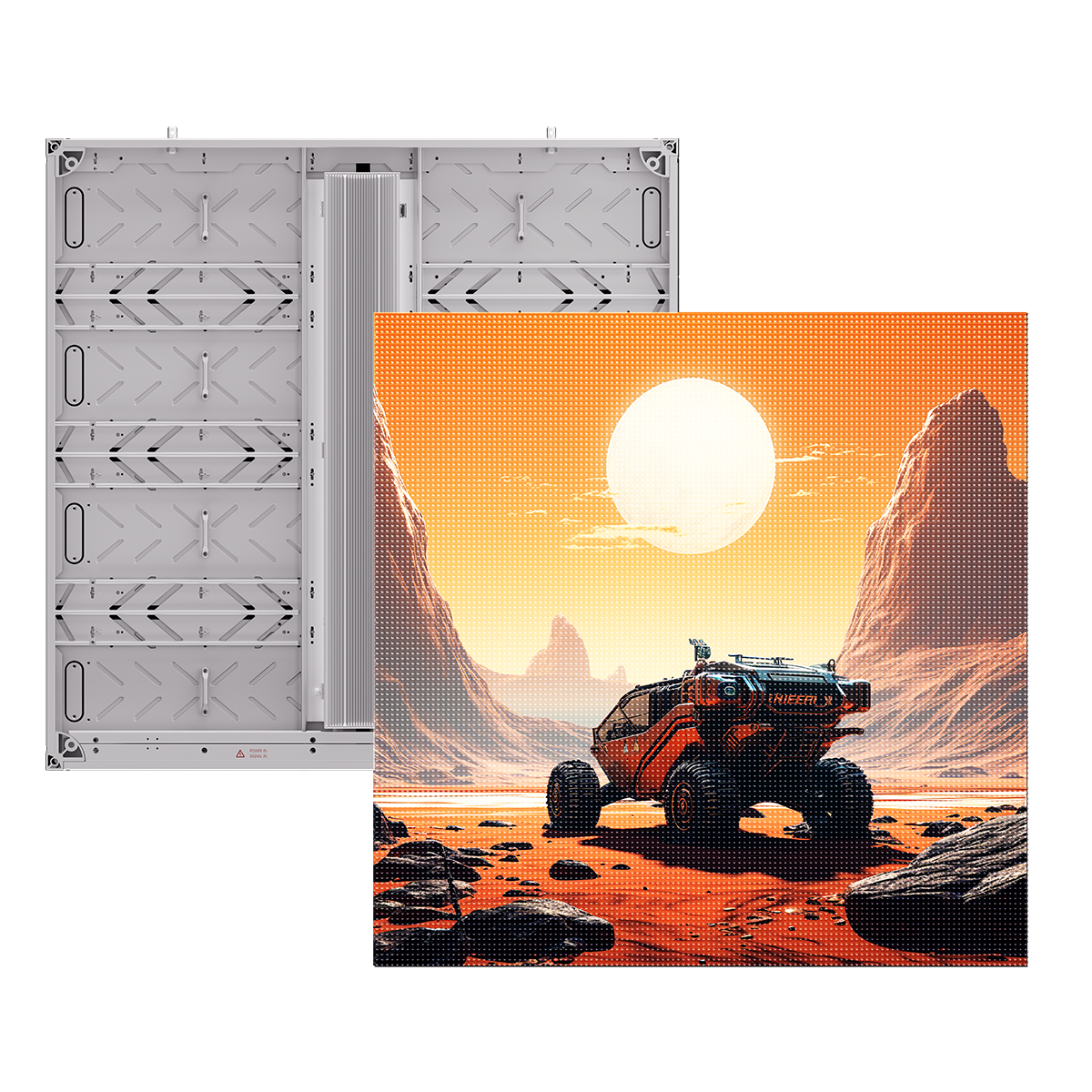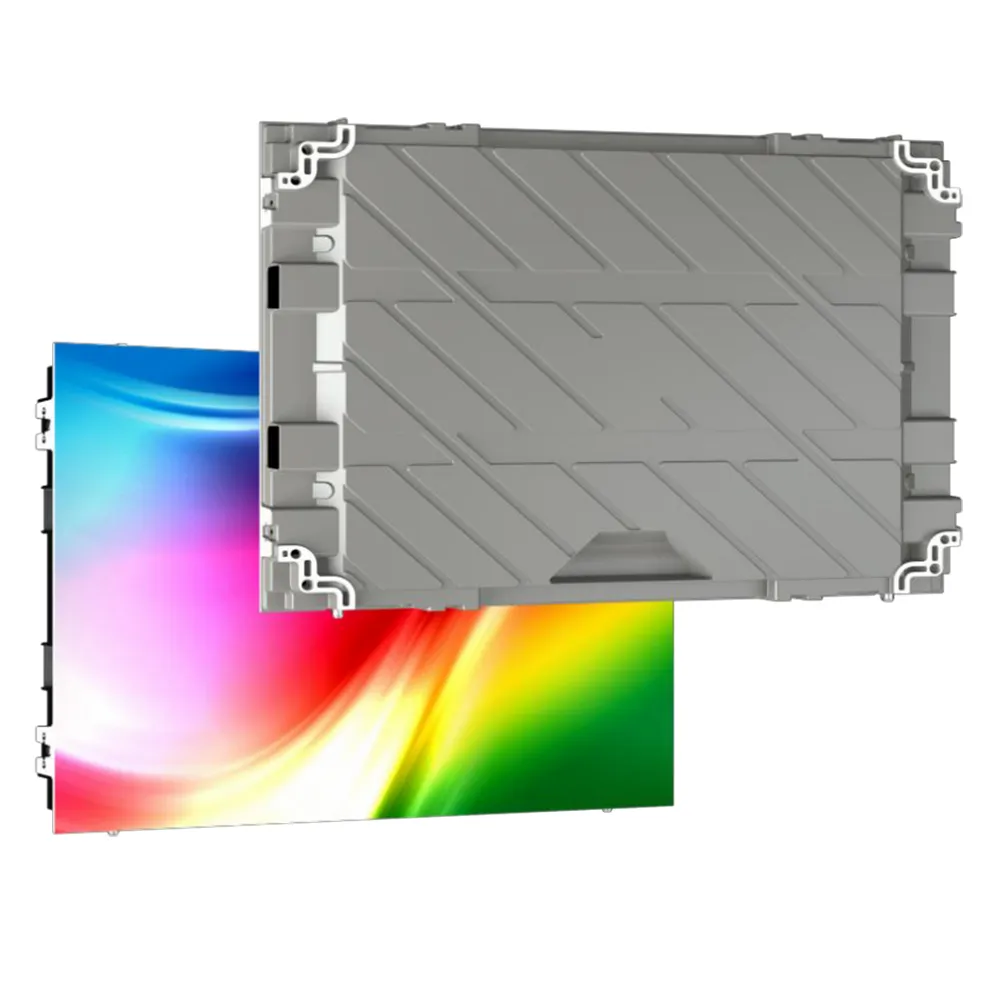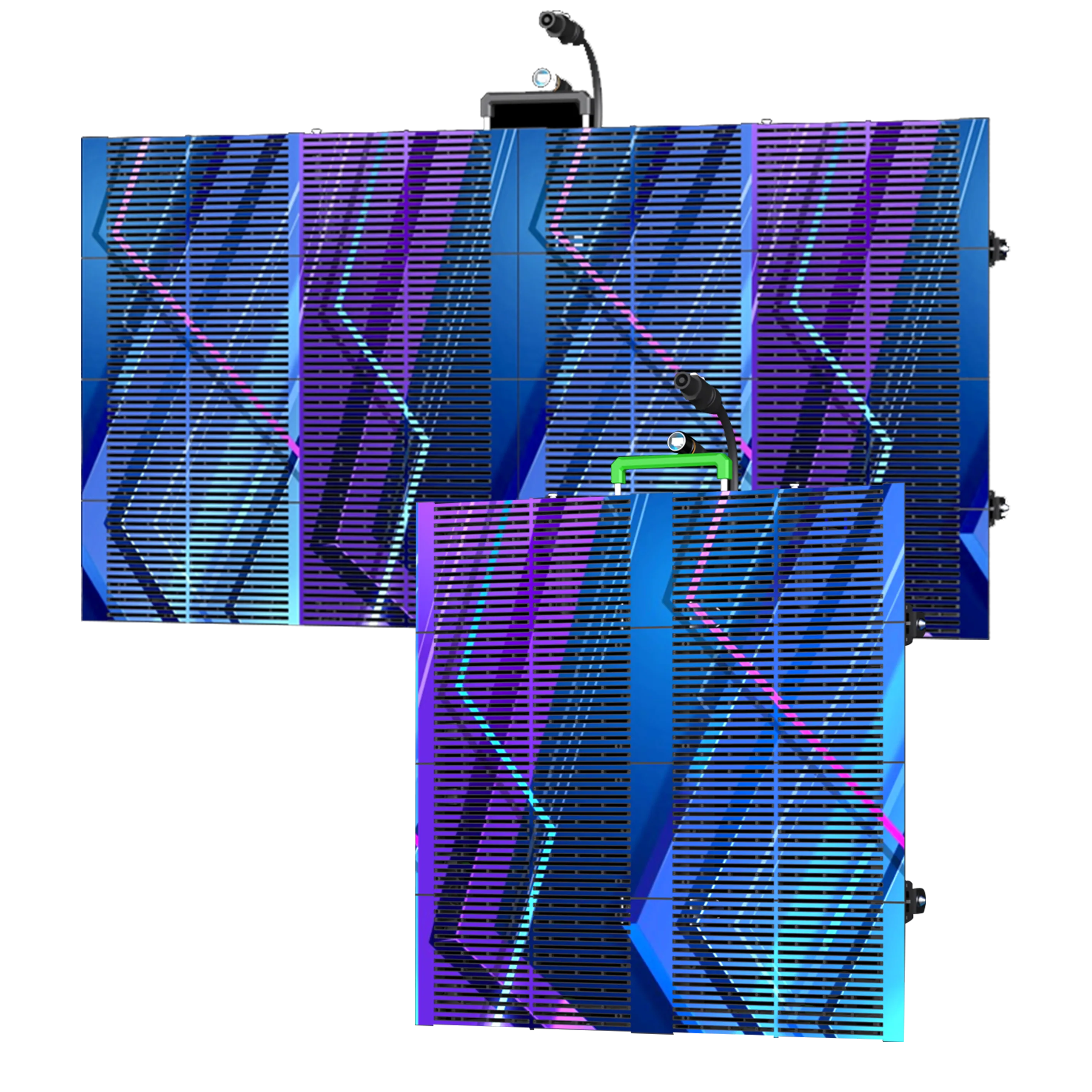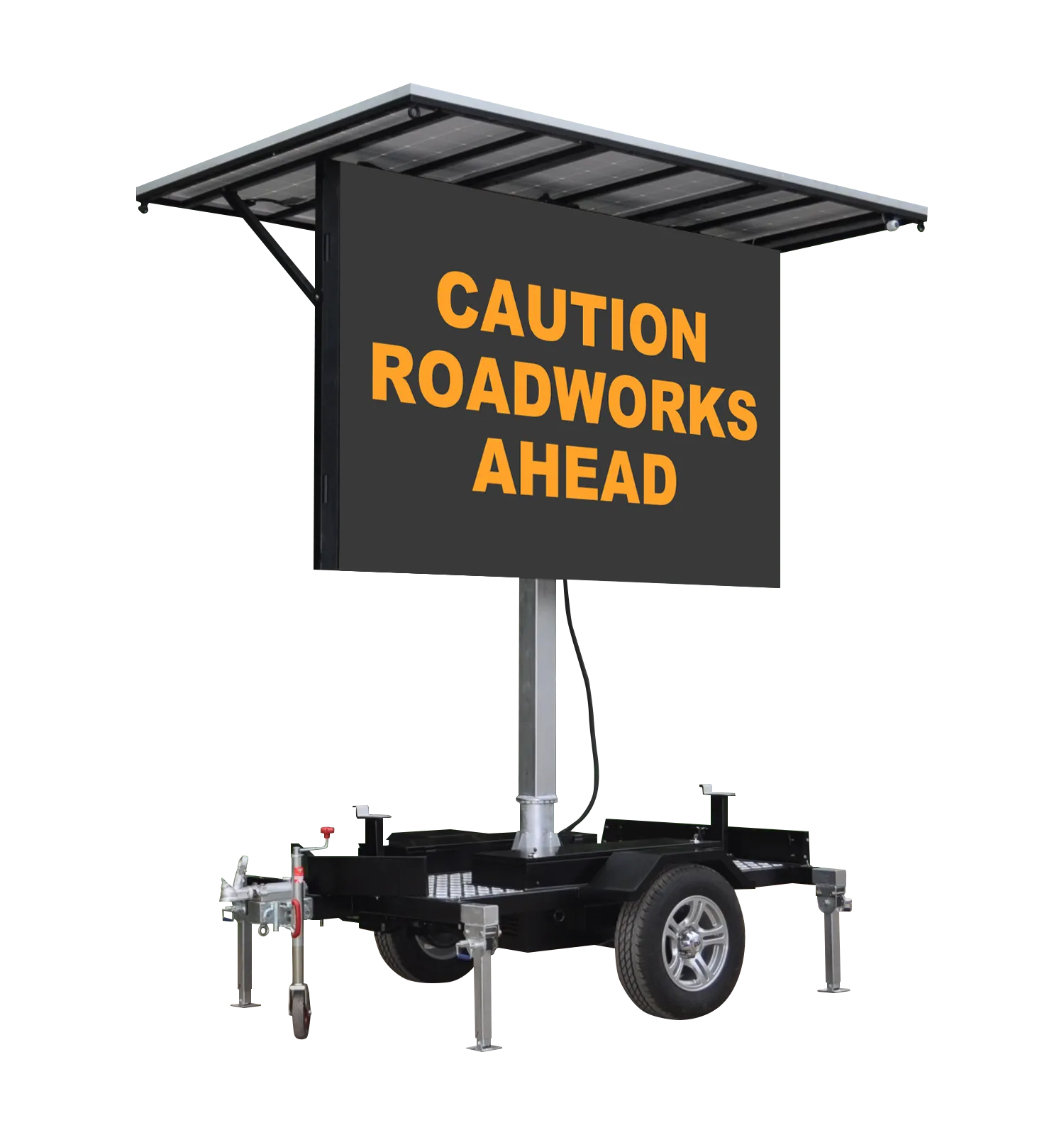
ISE 2026 is about to begin, but have you noticed something?
Many manufacturers that truly focus on outdoor LED displays are rarely seen on the show floor.
This is no coincidence — it’s the natural result of industry logic.
Most exhibitions are designed for showcase products, while companies dedicated to outdoor performance prefer to invest their resources in long-term results, not short-term displays.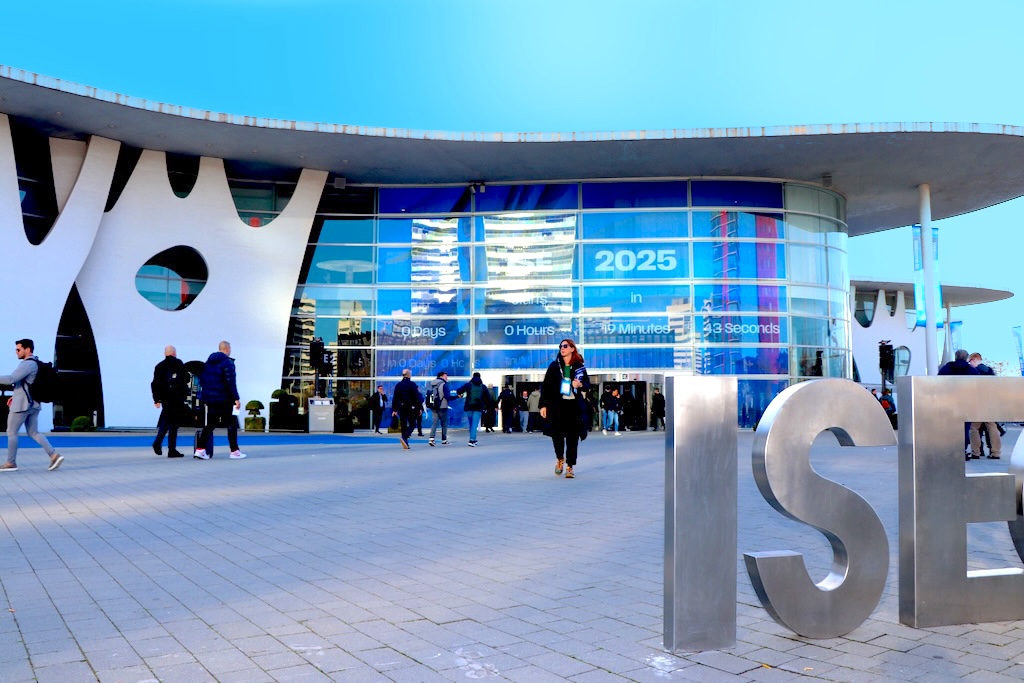
Most large exhibitions (including ISE) are essentially judged by:
Exhibition evaluation criteria
This system favors rental displays, fine-pitch, indoor, or semi-outdoor products.
These strengths are almost impossible to perceive during a few days at an exhibition.
The core competitiveness of outdoor LED displays lies in:
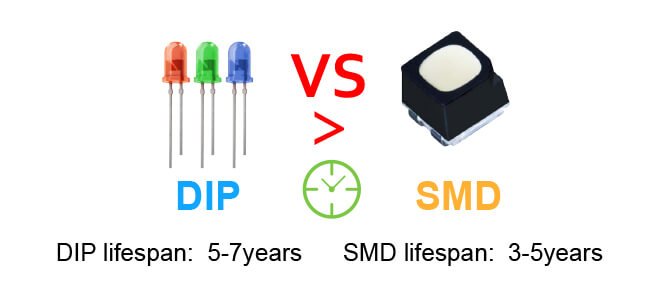
LED lifespan and packaging technology
Protection structure and material selection
Long-term brightness retention
Years of real-world project experience
The problem is:
These qualities cannot be seen on-site.
They cannot be proven by simply lighting up the screen,
nor are they suitable for showing off with spec sheets.
By contrast, what gets noticed more easily at exhibitions is:
New structures
New packaging forms
Thinner, lighter designs with higher headline specs
—not outdoor LED displays that have been running reliably for 10 years.
For manufacturers specializing in outdoor LED displays, large exhibitions present real challenges:
Booth fees are high, and construction and transportation costs are significant. Outdoor LED products are heavy and bulky, making exhibition participation a major investment.
Outdoor projects have long decision cycles. Customers care more about real installations and proven results, and rarely make purchasing decisions on the spot.
As a result, instead of spending large budgets on a few days of exhibition exposure, outdoor-focused manufacturers prefer to invest in areas with long-term value:
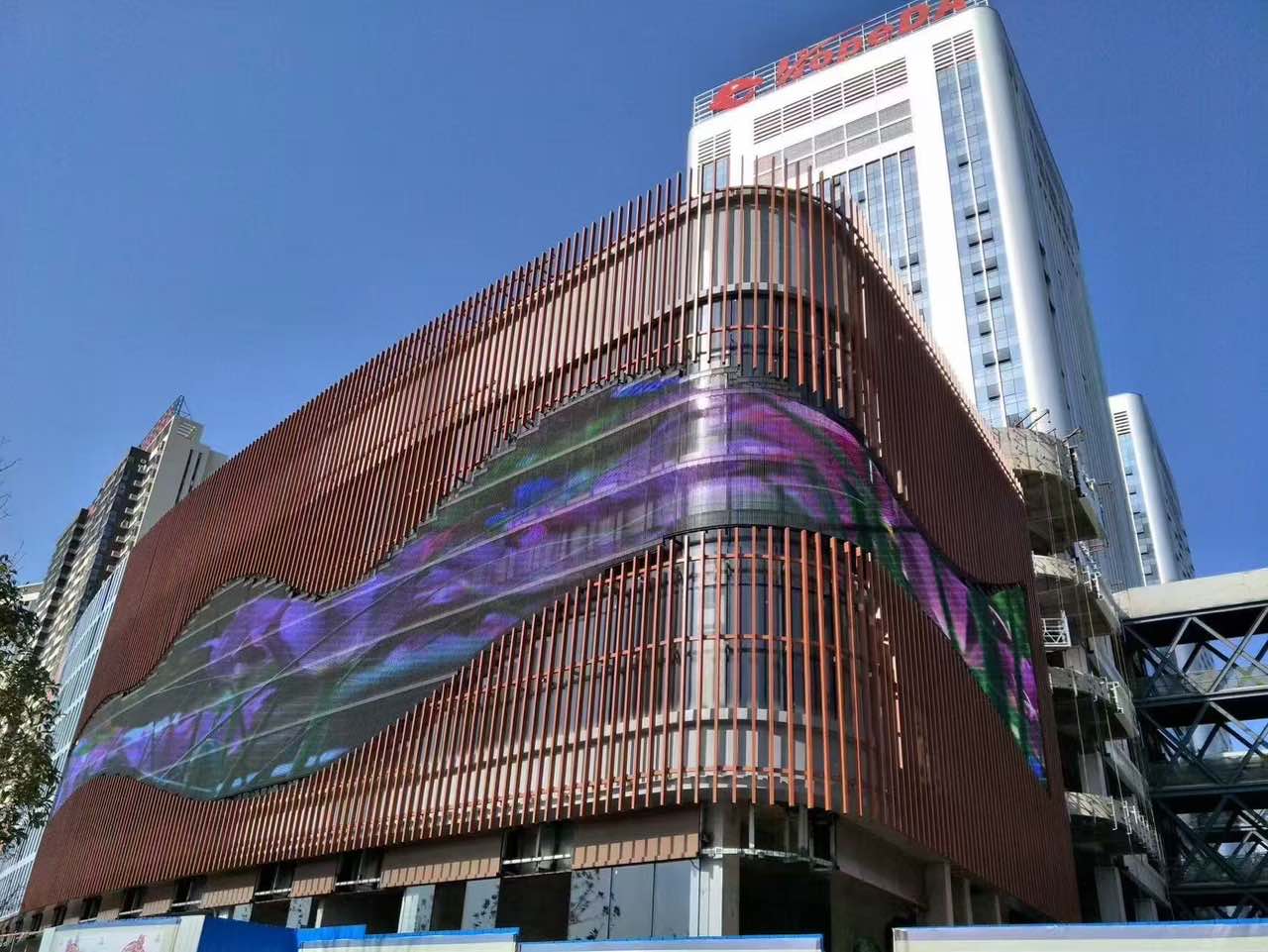
Building real outdoor demonstration projects
Maintaining long-term relationships with existing clients
Accumulating cases with many years of stable operation
These are the true foundations of trust and cooperation in the outdoor LED industry.
The exhibition environment can easily distort the perception of outdoor products.
In venues that chase extreme visual effects, real outdoor LED displays may look “less fine,” “less flashy,” or “less thin.”
Yet behind these apparent “shortcomings” lie their true strengths:
robust construction, conservative design, and exceptional reliability.
Under an evaluation system that prioritizes “new, flashy, and thin,” products designed for long-term outdoor use may be mistaken as “not technologically advanced.”
This creates an unfair comparison for manufacturers committed to long-term value.
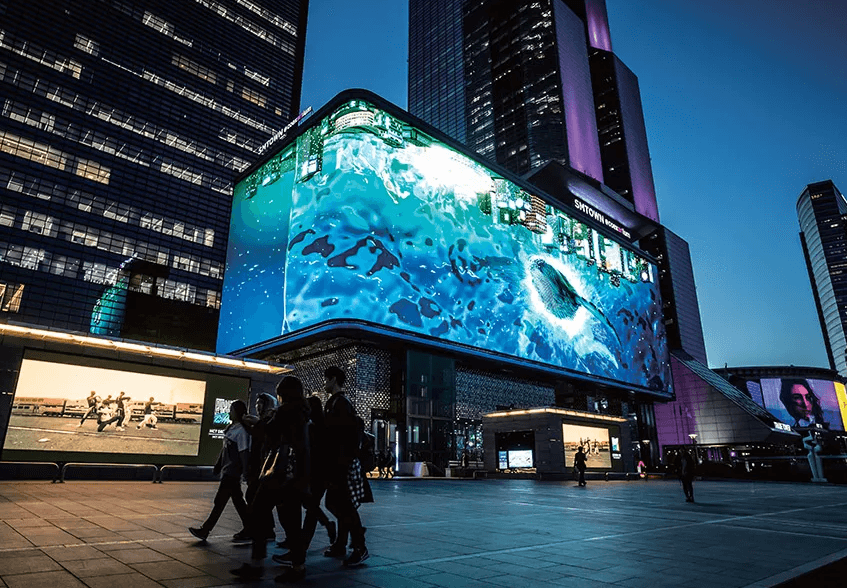
That is why you see fewer outdoor-focused LED manufacturers at exhibitions—but in cities, transportation hubs, and public spaces, the displays that run steadily year after year often come from those very manufacturers who don’t chase exhibitions, but focus on real outdoor environments.
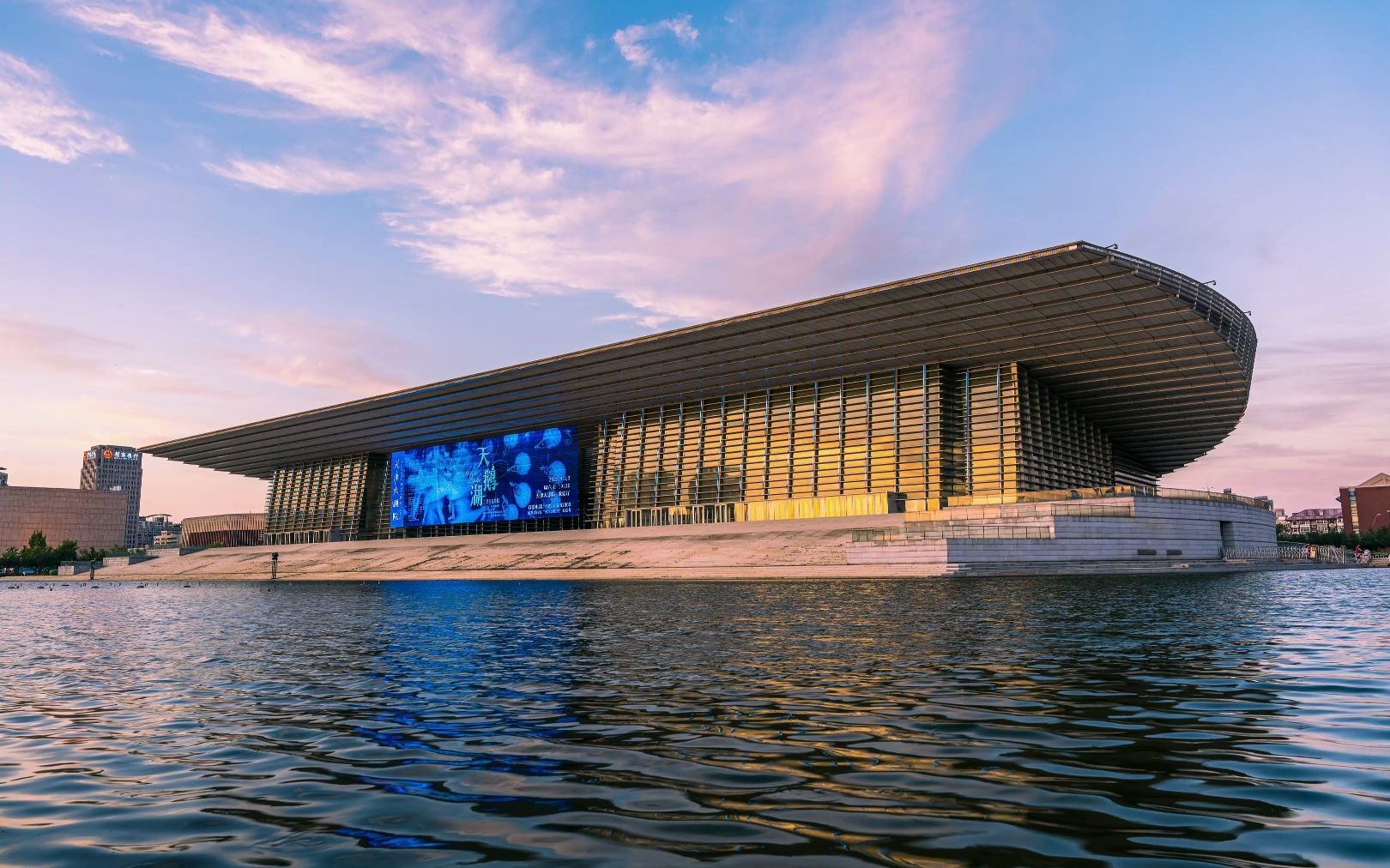
For 17 years, Kingaurora has remained dedicated to outdoor LED displays—designing products based on real outdoor conditions, not exhibition effects.
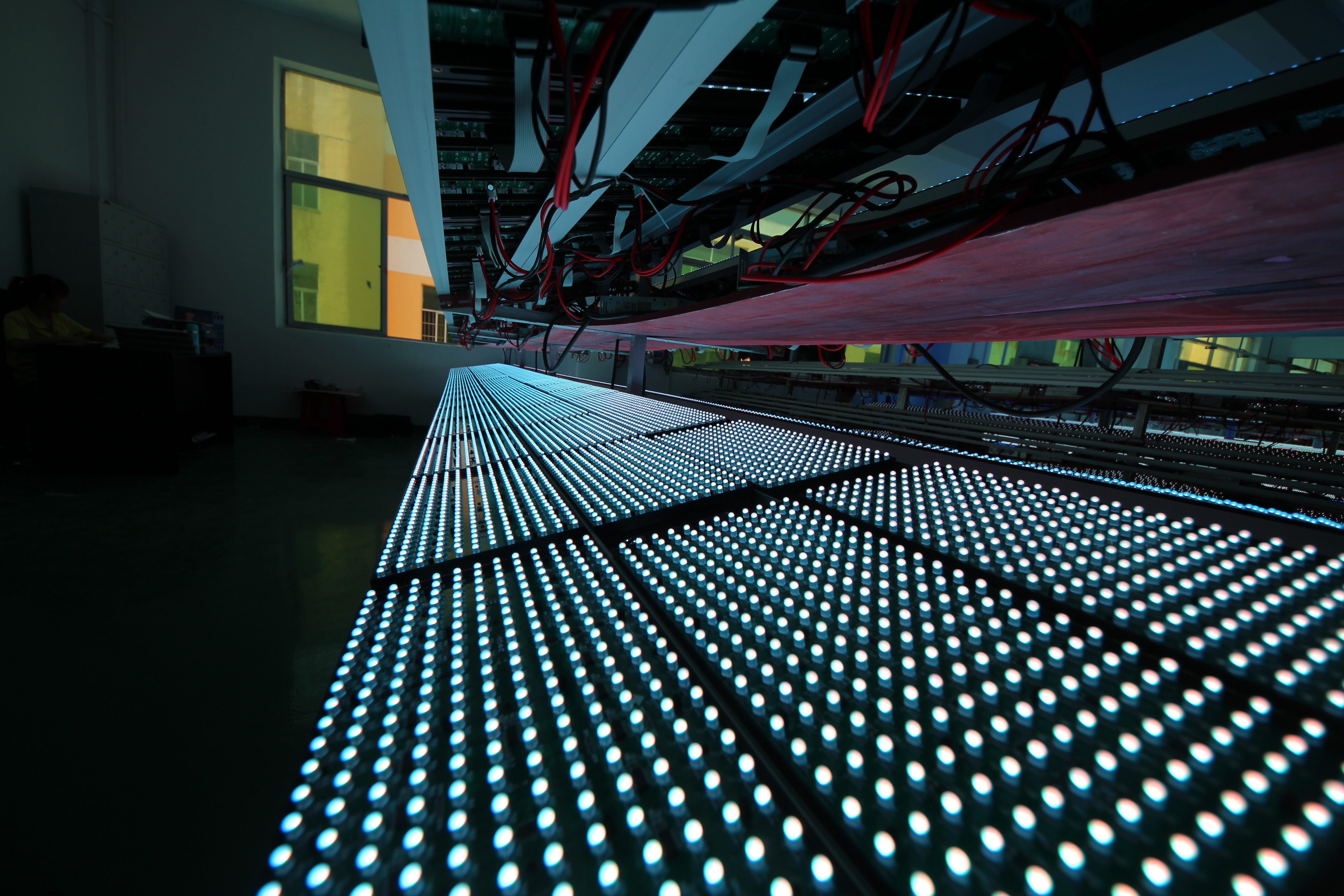
From early expertise in DIP technology to today’s self-packaged DIP570 LEDs, every technological evolution has focused on:
Brightness stability
Energy efficiency
Long-term reliability
Under repeated exposure to sunlight, rain, wind, sand, and high temperatures, DIP570 LEDs maintain stable brightness and uniform display, reducing degradation and lowering maintenance frequency.
For Kingaurora, an outdoor LED display is not about how it looks for a moment at an exhibition—
but whether it is still shining reliably ten years later.

3th Building,Gaosite Zone Pingshan
New District, Shenzhen


sevice88@kingaurora.com
3th Building,Gaosite Zone Pingshan
New District, Shenzhen